
Summary
The government of Andhra Pradesh is launching a major plan to improve how it handles trash and urban waste. By spending ₹528 crore, the state will build 107 new waste processing centers and six special plants that turn garbage into electricity. This move is part of a bigger goal to create a "circular economy," where waste is recycled or reused instead of just being thrown away. These new facilities aim to make cities cleaner and reduce the amount of trash that ends up in harmful landfills.
Main Impact
This project will change the way millions of people in Andhra Pradesh deal with their daily trash. Instead of letting garbage pile up in open fields, the state will use modern machines to sort and process it. The most significant impact is the shift toward "waste-to-energy" technology. By burning or processing trash to create power, the state solves two problems at once: it gets rid of waste and produces extra energy for the power grid. This helps protect the soil and water from pollution caused by rotting garbage.
Key Details
What Happened
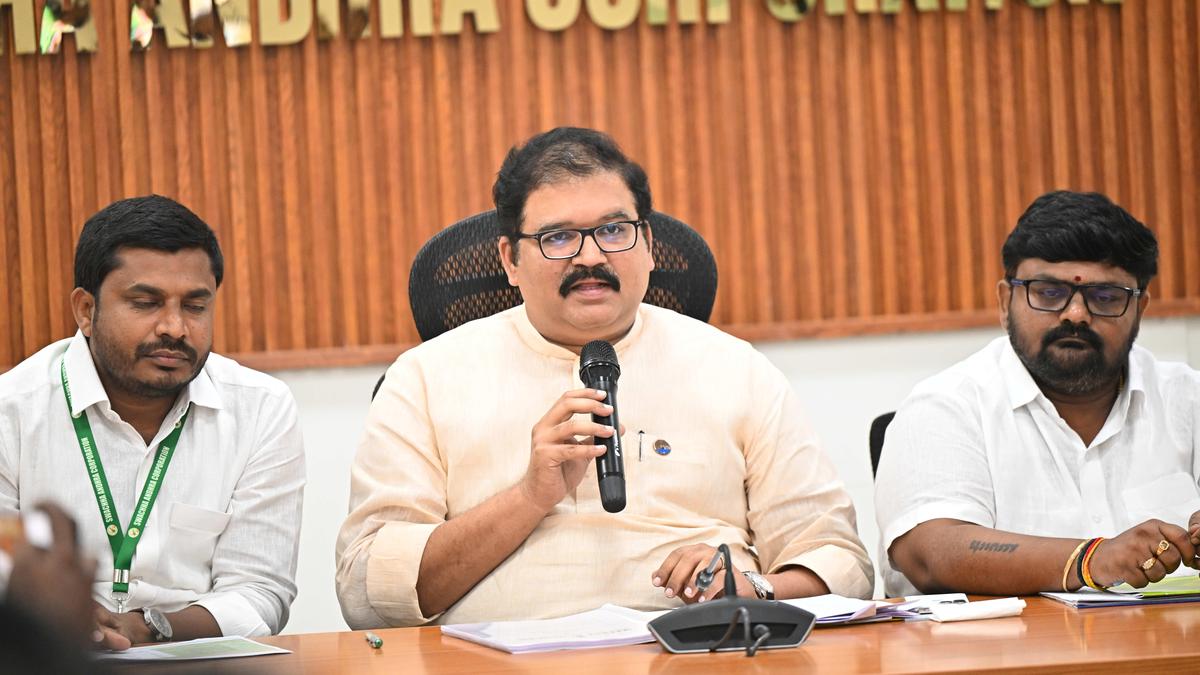
Pattabhi Ram, the Chairman of the Swachh Andhra Corporation, recently shared the details of this new plan. He explained that the state is moving away from old-fashioned dumping methods. The new plan focuses on scientific waste management. This means using data and modern technology to track trash from the moment it leaves a home until it is turned into something useful, like compost or electricity. The government wants to ensure that every town and city has a place to send its waste so that nothing is left on the streets.
Important Numbers and Facts
The scale of this project is quite large. The government has set aside ₹528 crore to fund the construction and equipment for these sites. A total of 107 new waste processing centers will be spread across different regions to ensure local trash does not have to be transported over long distances. Additionally, six large waste-to-energy plants are being built. These plants are designed to handle massive amounts of non-recyclable waste and turn it into a source of power for homes and businesses.
Background and Context
For a long time, many cities in India have struggled with growing piles of trash. As more people move to cities, the amount of plastic, food waste, and paper increases. Usually, this waste is sent to large dumping grounds. These dumps can catch fire, smell bad, and leak toxic liquids into the ground. To stop this, the central and state governments have been pushing for a "circular economy."
A circular economy is a simple idea: instead of "take, make, and throw away," we should "reduce, reuse, and recycle." By building these 107 centers, Andhra Pradesh is trying to make sure that plastic is recycled, food waste is turned into fertilizer for farmers, and the rest is used to make energy. This keeps the environment healthy and saves money in the long run.
Public or Industry Reaction
Local leaders and environmental experts have welcomed the news. Many believe that the investment of ₹528 crore shows that the government is serious about public health. Clean cities usually have fewer diseases spread by pests like rats and mosquitoes. Industry experts are also interested in the six waste-to-energy plants. They see this as a way for the state to become more self-sufficient in power production. However, some people have pointed out that for this to work, citizens must also do their part by separating their wet and dry trash at home before the collectors arrive.
What This Means Going Forward
The next step is the actual construction of these 107 centers. The government will need to hire workers and train them on how to use the new machinery. There will also be a focus on teaching families how to sort their garbage. If the trash is mixed together, it is much harder for the machines to process it. In the coming years, if this plan succeeds, Andhra Pradesh could become a model for other states in India. The goal is to have "zero waste" cities where almost nothing is sent to a traditional landfill.
Final Take
Investing in waste management is not just about cleaning the streets; it is an investment in the future of the planet. By spending ₹528 crore on scientific processing, Andhra Pradesh is choosing a path that values health and energy efficiency. Turning a problem like trash into a resource like electricity is a smart move that benefits everyone. If the state can manage these facilities well, it will lead to a much greener and cleaner environment for the next generation.
Frequently Asked Questions
What is a waste-to-energy plant?
It is a facility that takes trash that cannot be recycled and processes it to create heat or electricity. This helps reduce the size of landfills while providing power.
How much money is the government spending on this?
The government of Andhra Pradesh has planned an outlay of ₹528 crore for these new waste management projects.
Why are 107 centers being built?
Building many smaller centers across the state makes it easier to process trash locally. This reduces the cost of moving garbage and ensures that every area has a clean way to get rid of waste.

