
Summary
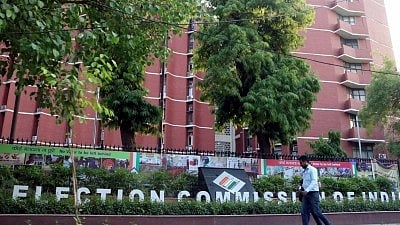
The Election Commission of India (ECI) is introducing advanced technology to monitor the upcoming Assembly elections in West Bengal. To ensure a fair and peaceful voting process, the commission will use cameras powered by Artificial Intelligence (AI) and GPS tracking systems. These tools will help officials watch polling booths in real time and track the movement of security forces across the state. This move is designed to prevent illegal activities and make sure that security teams are used effectively where they are needed most.
Main Impact
The primary impact of this decision is the shift toward high-tech surveillance that reduces the chance of human error or neglect. By using AI-enabled cameras, the ECI can now automatically detect if too many people are gathering inside or outside a polling station. This technology acts as an extra set of eyes that never gets tired. It allows officials in central offices to see exactly what is happening without being physically present. This level of oversight is expected to discourage troublemakers and provide a safer environment for voters to cast their ballots.
Key Details
What Happened
The ECI has outlined a specific plan for the two-phase elections in West Bengal. They will install a network of cameras that connect directly to control rooms. These control rooms are located at the offices of District Magistrates and the Chief Electoral Officer in Kolkata. If the AI detects something wrong, it sends an instant alert to these offices. This allows senior officials to take action immediately rather than waiting for a manual report from the field.
Important Numbers and Facts
The number of cameras used will depend on how "sensitive" a polling booth is considered to be. For booths labeled as sensitive, three cameras will be installed. Two of these will be placed inside the room, and one will be placed outside. For booths that are not labeled as sensitive, two cameras will be used, with one inside and one outside. In the most critical areas, known as "super-sensitive" booths, the ECI will also hire professional videographers to film the entire day of voting.
The cameras inside the booths are designed to provide a 360-degree view. This means they can see every corner of the room. However, the ECI has stated that the cameras will be positioned carefully. They will watch the room but will not record the actual voting compartment. This ensures that who a person votes for remains a secret, which is a vital part of the election rules.
Background and Context
West Bengal has a history of intense and sometimes tense elections. In the past, there have been many complaints about how security forces were managed. Even when a large number of Central Armed Police Forces (CAPF) were sent to the state, some people felt they were not used properly. There were reports that Quick Response Teams (QRTs) were sometimes sent to the wrong places or were not present when trouble started. By using GPS tracking on the vehicles used by these teams, the ECI can now see exactly where every security unit is at any moment. This prevents teams from being diverted or sitting idle when they should be patrolling.
Public or Industry Reaction
The reaction to these measures has focused on the need for transparency. Many voters and political observers have called for stricter rules to prevent "booth capturing" or illegal voting. The use of AI is seen as a modern solution to these old problems. While some people worry about privacy, the ECI has reassured the public that the technology is only there to stop rule-breaking and will not interfere with the privacy of the vote itself. The move to track security forces with GPS has also been welcomed by those who want to see more accountability in how the police and military are used during the polls.
What This Means Going Forward
This use of AI and GPS in West Bengal could serve as a test for future elections across India. If these tools successfully reduce violence and cheating, the ECI may decide to use them in every state. It shows a growing trend of using data and technology to protect democracy. In the short term, it means that security forces will be under much tighter control. Commanders will be able to see a live map of their teams and move them quickly if a problem is detected. This should lead to faster response times and a more organized security presence on election day.
Final Take
The introduction of AI and GPS tracking marks a major step in modernizing the election process in West Bengal. By combining smart cameras with real-time location data, the Election Commission is making it much harder for anyone to disrupt the peace. This strategy focuses on being proactive rather than just reacting after something goes wrong. If the technology works as planned, it will help ensure that the results of the election truly reflect the will of the people without any outside interference.
Frequently Asked Questions
How will the AI cameras help during the election?
The AI cameras are programmed to recognize unusual behavior, such as large groups of unauthorized people gathering in a booth. When the AI sees this, it automatically alerts officials in the control room so they can send help or investigate immediately.
Will the cameras see who I vote for?
No. While the cameras provide a wide view of the polling station to ensure safety, they are positioned to avoid looking at the private area where you mark your ballot. Your vote remains completely secret.
Why is GPS being used for security forces?
GPS is being used to track the vehicles of Quick Response Teams. This ensures that security forces are actually where they are supposed to be and allows central observers to move them to high-priority areas in real time if trouble occurs.

