Summary
Nepal has successfully completed its national elections, marking a significant moment for the country’s democracy. The Rastriya Swatantra Party, led by Balendra Shah, achieved a massive victory that has changed the political map of the nation. Indian Prime Minister Narendra Modi praised the peaceful nature of the polls and expressed his desire to work closely with the new government in Kathmandu. This transition signals a new chapter for Nepal as it moves forward with a fresh leadership team.
Main Impact
The primary impact of this election is the rise of a new political force that challenges the traditional parties that have ruled Nepal for decades. Balendra Shah’s landslide win shows that voters are looking for new faces and different ideas. For India, the impact involves building a relationship with a leader who promotes a "Nepal First" policy. This means the new government will likely focus more on its own national interests while trying to stay neutral in regional power struggles. The peaceful transfer of power also strengthens the stability of the South Asian region.
Key Details
What Happened
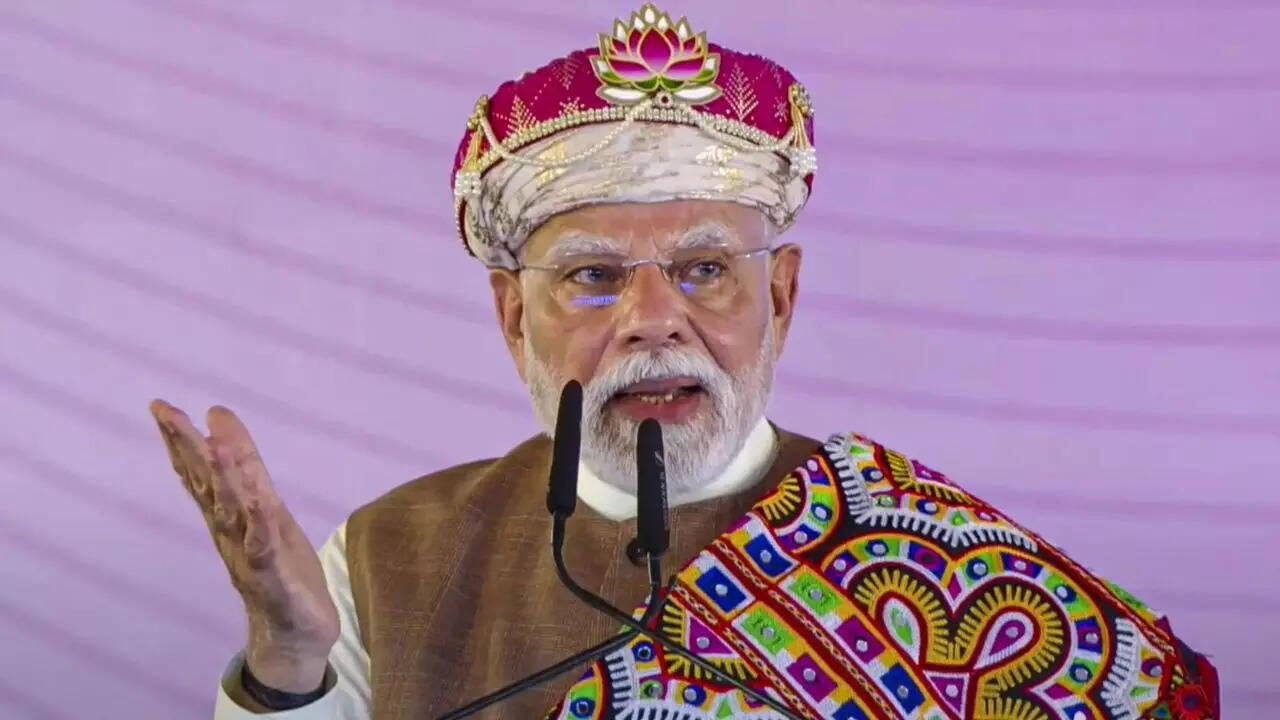
The election results confirmed that the Rastriya Swatantra Party has become the dominant force in Nepal’s parliament. The process was noted for being very calm, with high voter turnout across the country. Prime Minister Narendra Modi was among the first world leaders to send a message of support. He called the elections a "historic" event and a "vibrant exercise" of democratic rights. This public support from India is important because the two countries share a long border and deep cultural ties.
Important Numbers and Facts
The Rastriya Swatantra Party secured enough seats to lead the government, a feat that many experts did not expect a few years ago. Balendra Shah, the leader of the party, was a popular rapper before he entered politics. His transition from the music industry to the highest levels of government has caught the attention of the world. The election was held under strict security to ensure that every citizen could vote without fear. The final count showed a clear mandate for change, with many young voters supporting Shah’s vision for a modern Nepal.
Background and Context
Nepal is a landlocked country located between two giants, India and China. Because of its location, Nepal’s politics are always watched closely by its neighbors. In the past, the country has seen periods of political instability and frequent changes in leadership. Traditional parties often struggled to meet the high expectations of the public. Balendra Shah rose to fame by promising to fix basic problems like infrastructure and corruption. His party appeals to people who are tired of the old way of doing things. By winning this election, he has proven that a non-traditional candidate can gain the trust of the entire nation.
Public or Industry Reaction
The reaction within Nepal has been one of excitement and hope. Many citizens celebrated the results in the streets, seeing it as a victory for the common person. Business leaders in the region are also watching closely. They hope the new government will create a stable environment for trade and investment. In India, political experts believe that Modi’s quick response shows that India wants to keep a friendly and helpful relationship with Nepal. While some are curious about how the "Nepal First" policy will work, the general feeling is that a stable and democratic Nepal is good for everyone in the neighborhood.
What This Means Going Forward
Looking ahead, the new government faces the task of turning campaign promises into real results. Balendra Shah has stated that his foreign policy will be based on neutrality. This means Nepal will try not to take sides in disagreements between other countries. For India, this will require careful diplomacy to ensure that the two nations continue to cooperate on energy, water sharing, and security. The "Nepal First" approach might lead to new types of agreements that focus more on direct benefits for the Nepali people. The world will be watching to see how a former artist handles the complex world of international politics and national economics.
Final Take
The recent elections in Nepal prove that democracy is healthy and active in the Himalayas. The rise of Balendra Shah and his party shows that the people want progress and are willing to trust new leaders to achieve it. Prime Minister Modi’s support provides a strong foundation for future cooperation between India and Nepal. While the new government’s nationalist focus brings new challenges, it also offers a chance for a more balanced and modern partnership between the two neighbors. The focus now shifts to how this new leadership will govern and maintain peace in a changing world.
Frequently Asked Questions
Who won the Nepal elections?
The Rastriya Swatantra Party, led by Balendra Shah, won a landslide victory in the recent national elections.
What was Prime Minister Modi’s reaction to the results?
PM Modi congratulated Nepal on the peaceful and historic elections and stated that India is ready to work closely with the new government.
What is the "Nepal First" policy?
It is a political stance by the new leadership that prioritizes Nepal’s national interests and maintains a neutral position in foreign affairs.