Summary
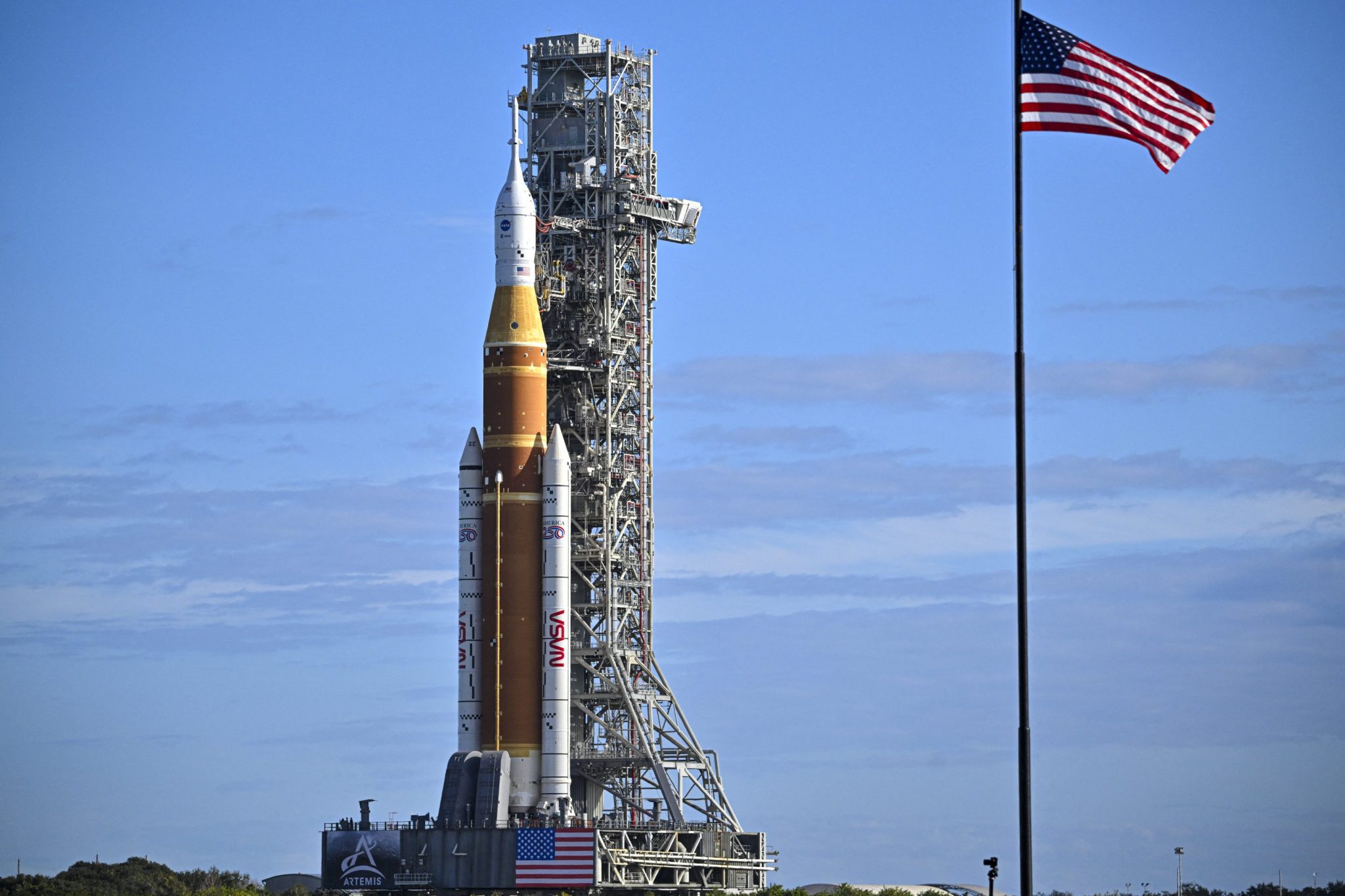
NASA has officially delayed its upcoming mission to send a crew of four astronauts around the moon. The space agency announced that a technical problem with the rocket’s gas system requires the vehicle to be moved off the launchpad and back into a repair hangar. This decision means the mission will no longer happen in March as previously planned. Engineers are now looking at April as the earliest possible time to attempt the historic flight.
Main Impact
The delay is a significant setback for the Artemis II mission, which aims to fly humans near the moon for the first time in more than five decades. By moving the Space Launch System (SLS) rocket back to the Vehicle Assembly Building, NASA is prioritizing the safety of the crew over meeting a strict deadline. While the delay is disappointing for those waiting for the launch, it allows the engineering team to fix a critical issue that could otherwise put the mission at risk. This move ensures that every part of the massive rocket is working perfectly before it leaves the ground with people on board.
Key Details
What Happened
During recent checks, NASA engineers discovered a problem with the flow of helium in the upper part of the rocket. Helium is a vital gas used in rocket engines to maintain pressure in the fuel tanks as the propellant is used up. Without the correct flow of this gas, the rocket cannot operate safely. Because the part that needs fixing is high up on the vehicle and difficult to reach, the work cannot be done while the rocket is sitting on the launchpad. The entire structure must be rolled back to the giant hangar at the Kennedy Space Center in Florida.
Important Numbers and Facts
The mission was originally targeting a launch date of March 6, 2026. Following the discovery of the helium issue, NASA confirmed that a March launch is now impossible. The rocket itself is a massive vehicle built by Boeing, known as the Space Launch System. This specific technical problem is not entirely new; a similar issue with helium occurred during the first uncrewed flight of the SLS rocket back in 2022. The mission will carry four astronauts on a journey that will take them around the far side of the moon and back to Earth.
Background and Context
The Artemis program is NASA’s modern plan to return humans to the moon and eventually send them to Mars. The first part of the program, Artemis I, was a successful test flight in 2022 that sent an empty capsule around the moon. Artemis II is the next big step, as it will be the first time humans have traveled that far into space since the Apollo missions ended in the 1970s. Because this is a test flight with a real crew, NASA follows very strict safety rules. Even a small technical glitch is enough to pause the countdown to ensure nothing goes wrong during the actual flight.
Public or Industry Reaction
NASA Administrator Jared Isaacman shared the news with the public, acknowledging that many people will be upset by the wait. He explained that the NASA team has been working very hard to get the rocket ready and feels the disappointment deeply. However, he emphasized that the team's main goal is to complete the mission safely. Space experts and industry watchers generally agree that taking extra time to fix hardware issues is better than rushing a launch, especially when human lives are involved. The reaction from the space community has been one of patience, as technical delays are a common part of complex space exploration.
What This Means Going Forward
In the coming days, the rocket will make the slow journey from the launchpad back to the hangar. Once inside, engineers will have better access to the upper stage to find out exactly why the helium flow was interrupted. After the repairs are finished, the rocket will have to undergo more tests to make sure the fix worked. If everything goes well, NASA will move the rocket back to the launchpad for another attempt. The agency is now looking at launch opportunities in April, but a specific date has not been set yet. This delay might also cause small shifts in the timing for future Artemis missions, such as the plan to land humans on the lunar surface.
Final Take
Space travel is a difficult and dangerous business where even the smallest error can lead to failure. NASA’s decision to pull the rocket back for repairs shows a commitment to doing things the right way rather than the fast way. While the world will have to wait a little longer to see humans return to the moon's neighborhood, the focus remains on a successful and safe journey for the four astronauts chosen for this historic task.
Frequently Asked Questions
Why did NASA delay the Artemis II launch?
The launch was delayed because engineers found a problem with the helium flow in the upper part of the rocket. This issue must be fixed in a hangar to ensure the rocket is safe for the crew.
When will the mission actually launch?
NASA has ruled out a launch in March. The earliest the mission could now take place is in April 2026, depending on how long the repairs and extra tests take.
Who is going on the Artemis II mission?
The mission will carry a crew of four astronauts. They will be the first humans to fly around the moon in over 50 years, though they will not be landing on the surface during this specific flight.