
Summary
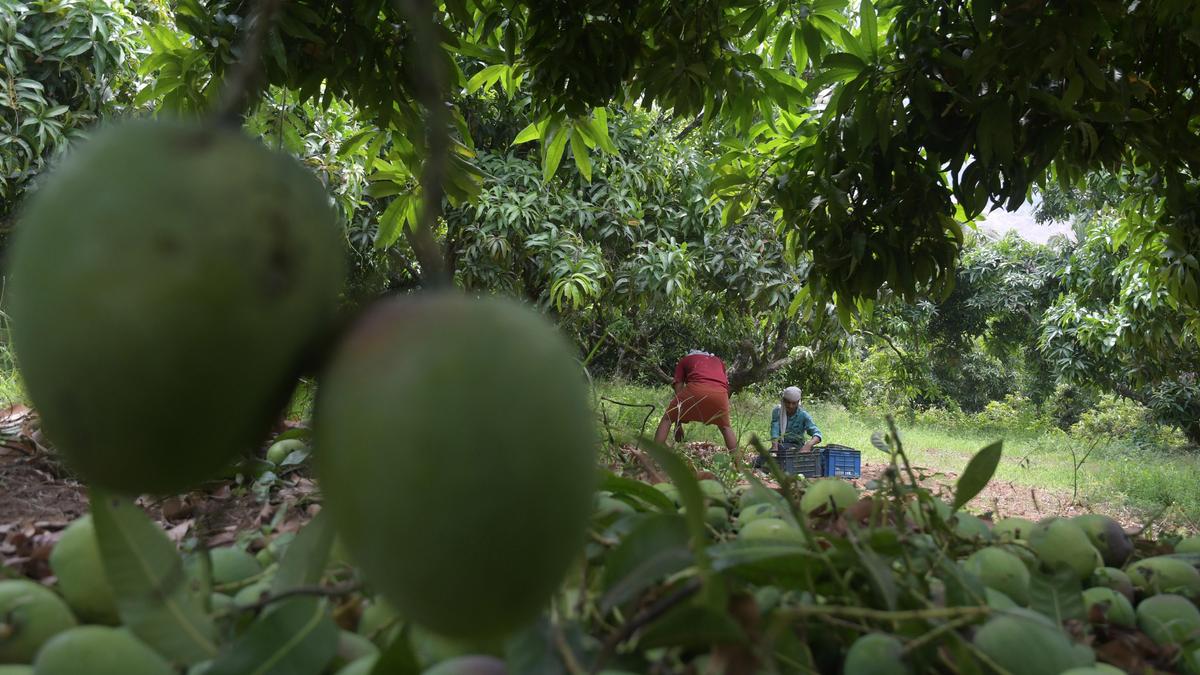
Farmers in Muthalamada, a well-known mango-growing area in Kerala, have managed to earn a profit this year despite losing a large portion of their crops. While the total amount of fruit harvested was lower than usual, high market prices helped cover the financial gap. Strong demand from buyers in North India early in the season allowed more than 500 farmers to stay in business. This outcome shows how market timing can protect agricultural workers even when weather conditions are poor.
Main Impact
The primary impact of this season is the financial survival of the local farming community. In many years, a drop in crop yield leads to heavy debt for small-scale growers. However, this year was different because the price per kilogram of mangoes stayed high throughout the early harvest weeks. This price surge acted as a safety net, ensuring that both large-scale landowners and small family farms could pay their bills and prepare for the next year. The steady flow of money into the region has also supported local workers who help with picking, packing, and transporting the fruit.
Key Details
What Happened
The mango season in Muthalamada started earlier than in many other parts of the country. Because these mangoes reached the markets in North India before the crops from states like Maharashtra or Uttar Pradesh were ready, there was very little competition. Major cities like Delhi, Mumbai, and Ahmedabad had a high demand for fresh fruit, and buyers were willing to pay more to get the first mangoes of the year. This early window of opportunity is what saved the farmers from a total financial loss after a difficult growing period.
Important Numbers and Facts
There are more than 500 farmers in the Muthalamada region who focus on mango production. The area is often called the "Mango Hub" of Kerala because of its massive output. This year, many farmers reported losing a significant percentage of their expected harvest due to unpredictable weather patterns. Despite these losses, the high selling price in the North Indian markets helped them offset the costs of labor, fertilizer, and transport. In some cases, the prices were nearly double what they were in previous years during the same period.
Background and Context
Muthalamada is famous for its unique climate, which allows mango trees to bloom much earlier than in other regions. This geographic advantage makes it one of the first places in India to supply mangoes every year. The region grows several popular varieties, including Alphonso, Banganapalli, and Sindhooram. However, farming in this area has become more difficult recently. Changes in the climate, such as sudden heatwaves or unseasonal rains, can damage the delicate flowers on the trees. When the flowers fall off or get diseased, the trees produce much less fruit. This year, the weather was particularly tough, leading to the crop losses that initially worried the local community.
Public or Industry Reaction
Local traders and farming unions have expressed a mix of relief and caution. While they are happy that the high prices saved the season, there is a growing concern about the future of farming in the region. Many agricultural experts are calling for better support systems, such as crop insurance and improved irrigation, to help farmers deal with weather changes. Traders have noted that the quality of the fruit remained high despite the lower quantity, which helped maintain the reputation of Muthalamada mangoes in distant markets. The success of this season has also encouraged local leaders to look for ways to improve the storage and shipping process to keep the fruit fresh for longer trips.
What This Means Going Forward
Looking ahead, the focus will likely shift toward making the mango crops more resilient to weather changes. Farmers may look into new techniques to protect their trees during the flowering stage. The strong connection with North Indian markets will continue to be a priority, as it provides the best financial returns. There is also a possibility that more farmers will try to time their harvests even more carefully to ensure they hit the market when prices are at their peak. If the region can find a way to stabilize the amount of fruit it produces while keeping these high prices, the local economy could see a significant boost in the coming years.
Final Take
The story of the Muthalamada mango season is a clear example of how market demand can sometimes balance out the risks of nature. Even though the farmers faced a tough year with their crops, the high value placed on their fruit in other parts of India ensured they did not go home empty-handed. It highlights the importance of being the first to provide a product that people love. While the weather remains a challenge that no one can fully control, the strong market for these mangoes provides a reason for hope in the local farming community.
Frequently Asked Questions
Why did the mango farmers in Muthalamada make a profit despite losing crops?
They made a profit because there was a very high demand for mangoes in North India early in the season. This high demand led to better prices, which covered the money lost from the smaller harvest.
What makes Muthalamada special for mango growing?
Muthalamada has a unique climate that allows mango trees to flower and produce fruit earlier than most other places in India. This allows their mangoes to reach the market first, when prices are usually higher.
What challenges did the farmers face this year?
The farmers faced crop losses, which are usually caused by unpredictable weather like extreme heat or rain at the wrong time. These conditions can damage the flowers on the trees, leading to less fruit being grown.



