
Summary
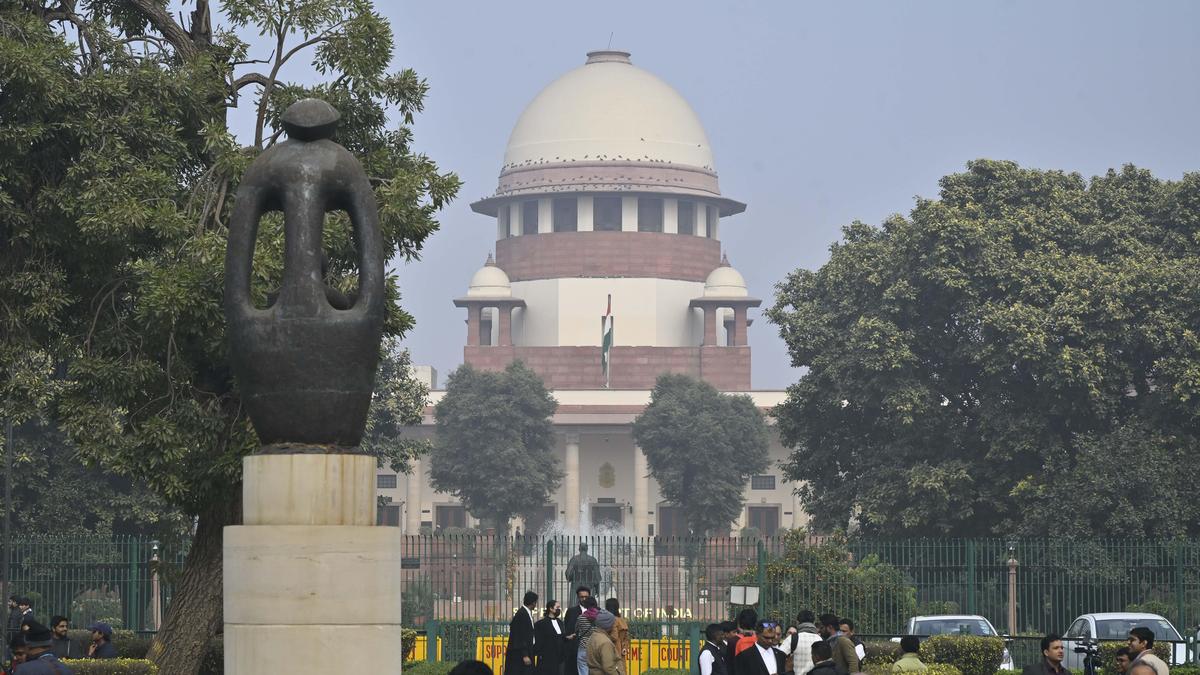
The Supreme Court of India has granted regular bail to Muppidi Avinash Reddy, who is a key figure in a high-profile liquor case in Andhra Pradesh. This decision means that Reddy will remain out of jail while the legal trial against him continues. The court's ruling is a major development in a case that has drawn significant attention across the state and the country. By granting this bail, the court has ensured that the accused can prepare for his defense without being held in custody during the long legal process.
Main Impact
The primary impact of this ruling is the immediate release of Muppidi Avinash Reddy from custody on a permanent basis for the duration of the trial. This decision shifts the focus of the case from the arrest and detention phase to the actual trial proceedings. For the legal system, it reinforces the idea that bail is often the rule and jail is the exception, especially when a trial is expected to take a long time. This move also allows the defense team more freedom to gather evidence and prepare their arguments without the restrictions of a prison environment.
Key Details
What Happened
The Supreme Court reviewed the petition filed by Muppidi Avinash Reddy regarding his detention in the Andhra Pradesh liquor case. After hearing the arguments from both the defense and the state, the bench decided that regular bail was appropriate. The court made it clear that this bail would not be temporary. Instead, it will stay in effect until the entire trial is finished. This provides a sense of legal stability for the accused as the case moves through the lower courts.
Important Numbers and Facts
The case involves allegations of financial wrongdoing and policy violations within the liquor industry in Andhra Pradesh. While the specific financial figures involved in the alleged scam are large, the court focused on the legal right to bail. The ruling was delivered on March 20, 2026, marking a turning point in a legal battle that has lasted for several months. The court did not find it necessary to keep Reddy in jail to complete the remaining parts of the legal process, provided he follows the standard rules set for those on bail.
Background and Context
The Andhra Pradesh liquor case centers on claims of corruption and illegal activities related to how liquor was sold and distributed in the state. Investigators have been looking into whether certain individuals received unfair advantages or if the state lost money due to these actions. Muppidi Avinash Reddy was named as an accused person in this investigation. In many such cases, the state argues that the accused should stay in jail to prevent them from changing evidence or talking to witnesses. However, the defense usually argues that keeping someone in jail before they are proven guilty is unfair. This case has been part of a larger series of investigations into government policies and business dealings in the region.
Public or Industry Reaction
The reaction to the bail order has been mixed. Supporters of Reddy view the Supreme Court's decision as a victory for justice, suggesting that the charges against him may not be strong enough to justify keeping him behind bars. On the other hand, some political figures and observers believe that the investigation needs to be very strict to ensure that any lost public funds are accounted for. Within the legal community, the decision is seen as a standard application of bail laws, where the court balances the needs of the police with the rights of the individual. The liquor industry in the state is also watching closely, as the outcome of this case could affect how business is done in the future.
What This Means Going Forward
Moving forward, the trial will proceed in the designated court. Muppidi Avinash Reddy will have to attend hearings and follow all the conditions set by the Supreme Court. These conditions usually include not traveling abroad without permission and cooperating with any further questions from investigators. If any of these rules are broken, the bail could be canceled. The state's investigative agencies will now focus on presenting their evidence during the trial to prove the charges. This case will likely take a long time to reach a final verdict, as there are many witnesses and documents to review.
Final Take
The Supreme Court's decision to grant bail to Muppidi Avinash Reddy highlights the importance of personal freedom in the Indian legal system. While the allegations in the liquor case are serious, the court has decided that the trial can happen without the accused being in prison. This ensures a fair process for both sides. As the trial moves into its next phase, the focus will remain on the evidence and whether the state can prove its claims in court. This ruling serves as a reminder that the legal process must follow specific rules to protect the rights of everyone involved.
Frequently Asked Questions
What is regular bail?
Regular bail is a court order that allows a person who has already been arrested to be released from custody. It stays in effect while the trial is going on, as long as the person follows certain rules.
Why did the Supreme Court grant bail in this case?
The court decided that it was not necessary to keep the accused in jail while the trial proceeds. They looked at the facts of the case and determined that Reddy could be released during the pendency of the trial.
Can the bail be taken away?
Yes, if the accused person breaks any of the rules set by the court, such as trying to talk to witnesses or failing to show up for court dates, the bail can be canceled and they can be sent back to jail.

