
Summary
Mumbai is preparing to start a major construction project that will change how people travel across the city. Starting this June, work will begin on the city’s longest road tunnel, which will be built deep under the Sanjay Gandhi National Park (SGNP). This project is designed to link the western and eastern suburbs more effectively, helping drivers avoid some of the worst traffic spots in the region. By going underground, the city aims to speed up travel while making sure the forest and wildlife above remain safe and untouched.
Main Impact
The biggest impact of this project will be the massive reduction in travel time for thousands of daily commuters. Currently, driving between Goregaon and Mulund is a slow and frustrating experience that can take over an hour during busy times. Once the new tunnel is finished, that same trip is expected to take only about 15 to 20 minutes. This change will not only save time for workers but also reduce fuel use and lower the amount of air pollution caused by idling cars in heavy traffic.
Key Details
What Happened
The Brihanmumbai Municipal Corporation (BMC) has finalized the plans to start the tunnel work as part of the Goregaon-Mulund Link Road (GMLR) project. To build the tunnel, the city will use two massive Tunnel Boring Machines (TBMs). These machines act like giant drills that eat through rock and soil while building the tunnel walls at the same time. The work is scheduled to begin in June, marking a major step forward after years of planning and getting environmental approvals. The tunnels will be built at a depth of 25 to 40 meters below the ground to ensure there is no vibration or noise that could bother the animals living in the national park above.
Important Numbers and Facts
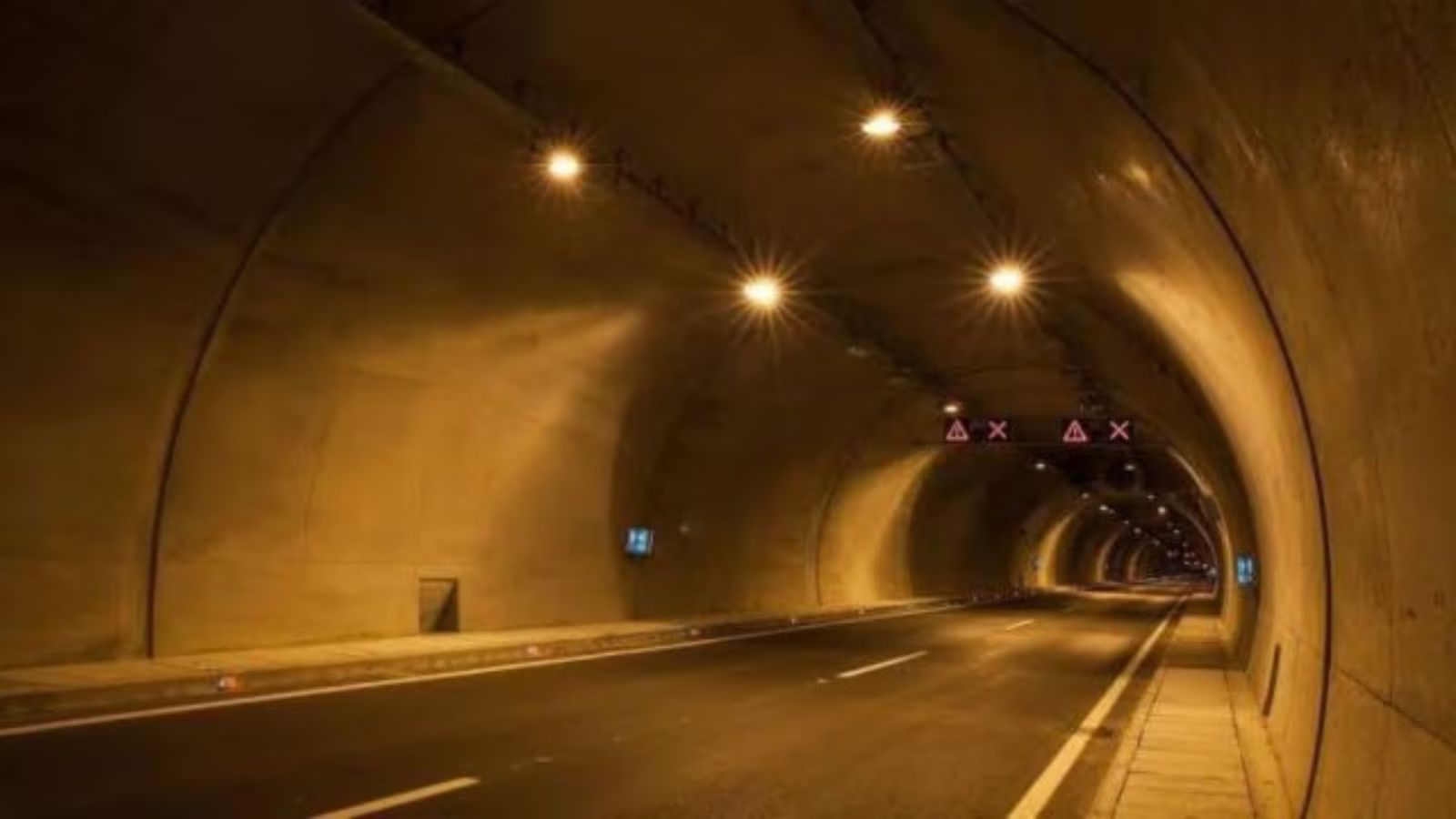
The project involves several impressive figures that show its scale. The twin tunnels will each be about 4.7 kilometers long, making them the longest of their kind in Mumbai. Each tunnel will have a diameter of around 13 meters, providing enough space for three lanes of traffic in each direction. The total length of the Goregaon-Mulund Link Road project is approximately 12.2 kilometers. Engineers expect the entire project to take a few years to complete, with the tunnel boring phase being the most technical part of the job. Safety features like emergency exits, fire control systems, and modern ventilation will be installed every few hundred meters inside the tunnels.
Background and Context
Mumbai is a city built on a narrow strip of land, which makes moving from east to west very difficult. Most of the main roads run north to south. Currently, there are only a few ways to cross between the eastern and western suburbs, such as the Jogeshwari-Vikhroli Link Road (JVLR) and the Santa Cruz-Chembur Link Road (SCLR). These roads are almost always crowded. The Sanjay Gandhi National Park is a massive green space in the middle of the city that acts as a natural barrier. For a long time, building a road through the park was impossible because it would destroy the forest. The solution was to go underneath it. This tunnel project is the final part of a four-step plan to create better east-west connections for the city.
Public or Industry Reaction
Most residents in the suburbs have welcomed the news, as they are tired of spending hours in traffic every day. Business owners also believe that faster travel will help move goods more quickly across the city. However, environmental groups were initially worried about how the construction might affect the park. To address these concerns, the government conducted many studies to prove that the deep underground work would not harm the trees or the water sources in the forest. Experts in the construction industry are watching the project closely, as using such large boring machines in a sensitive ecological zone is a difficult task that requires high levels of skill and precision.
What This Means Going Forward
Once the tunnel is open, it will likely change the way people choose where to live and work in Mumbai. Areas in Mulund and Goregaon may see more growth because they will be much easier to reach. In the short term, residents near the entry and exit points of the tunnel may see some construction activity and more trucks on the road. The city will need to manage this carefully to avoid creating new traffic jams while trying to fix the old ones. If this project is successful, it could serve as a model for other Indian cities that need to build new roads through crowded or protected areas without causing damage on the surface.
Final Take
The start of the tunnel work under Sanjay Gandhi National Park is a bold step for Mumbai’s infrastructure. It shows a shift toward using advanced technology to solve old problems. By choosing to go underground, the city is trying to balance the need for modern transport with the need to protect its natural environment. While the project is a massive undertaking that will take time and a lot of money, the promise of turning a one-hour crawl into a 15-minute drive is a goal that most Mumbaikars feel is worth the wait.
Frequently Asked Questions
How long will the new tunnel be?
The twin tunnels will be approximately 4.7 kilometers long, making them the longest road tunnels in Mumbai.
Will the construction hurt the animals in the national park?
No, the tunnels are being built 25 to 40 meters underground. This depth is designed to prevent noise and vibrations from reaching the surface where the animals live.
How much time will the tunnel save for drivers?
The tunnel is expected to reduce travel time between Goregaon and Mulund from over an hour to just about 15 to 20 minutes.



