Summary
Mumbai is known for its massive public transport system, but a major problem is hidden in plain sight. The city’s best transport options are often located in areas where people need them the least. While wealthy neighborhoods have access to multiple modes of travel, the outer suburbs—where the majority of the workforce lives—struggle with overcrowding and poor connectivity. This gap makes daily life difficult for millions of workers who spend hours traveling in harsh conditions.
Main Impact
The current state of Mumbai’s transport system creates a massive divide in the city. People living in central and southern parts of the city can choose between taxis, buses, and the new Metro lines. However, those living in the far-off northern suburbs or the eastern periphery have very few choices. This imbalance means that the people who contribute most to the city's economy are the ones who face the most stress during their daily commute. It leads to lost time, lower productivity, and a lower quality of life for the average worker.
Key Details
What Happened
Over the last few decades, Mumbai has expanded rapidly. Because housing in the center of the city became too expensive, millions of people moved to the outskirts. However, the transport system did not grow at the same speed or in the same direction. The city’s famous local trains still run mostly on a north-south line. While new Metro projects are being built, many of them serve areas that already have decent transport. Meanwhile, the "last mile" connectivity—the trip from the station to a person's home—remains a huge struggle in poorer neighborhoods.
Important Numbers and Facts
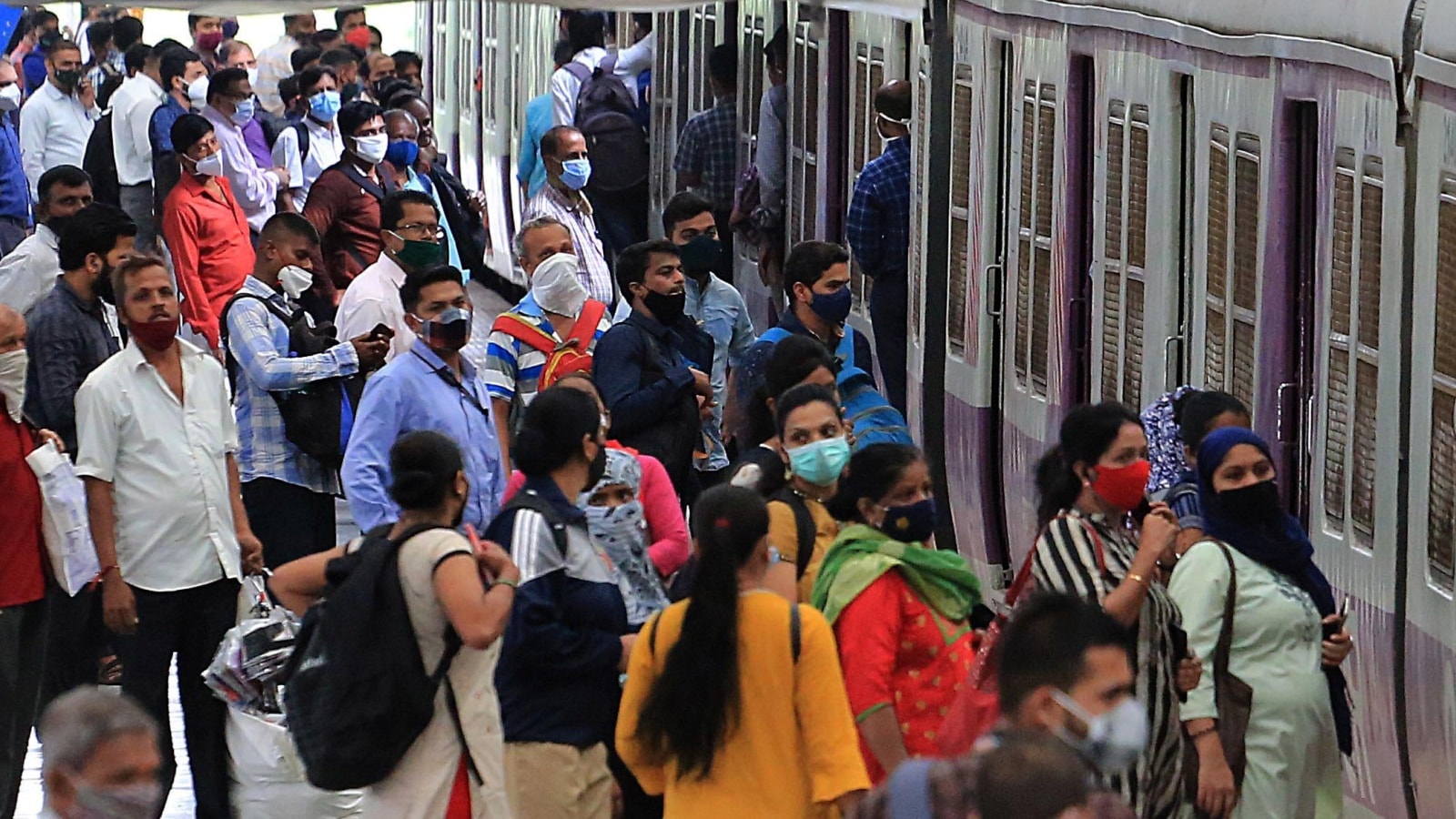
The Mumbai local train system carries more than 7.5 million passengers every single day. This is one of the highest numbers in the world. In the most crowded areas, a train car meant for 200 people often carries over 500. Studies show that a worker living in the outer suburbs like Diva or Kalyan might spend three to four hours every day just traveling to and from work. In contrast, a resident in South Mumbai might reach their office in less than 20 minutes using multiple available options.
Background and Context
Mumbai is a narrow island city, which makes planning very difficult. Most of the jobs were originally located at the southern tip of the island. As the population grew, the city could only grow northward. Today, the business hubs have shifted to places like Bandra-Kurla Complex (BKC) and Andheri, but the transport logic has not fully caught up. The people who keep the city running—factory workers, cleaners, and office clerks—cannot afford to live near these hubs. They are forced to live far away, where the trains are fewer and the buses are less reliable.
Public or Industry Reaction
Commuters in the outer suburbs have often expressed their anger through protests. When trains are delayed, it causes a chain reaction that leaves thousands of people stranded on platforms. Urban planners have pointed out that the city focuses too much on "glamour projects" like sea bridges and high-speed roads that mostly benefit car owners. They argue that the real focus should be on increasing the frequency of trains in the far suburbs and making bus routes more flexible to reach deep into residential colonies.
What This Means Going Forward
The city is currently building a massive Metro network to help ease the pressure. While this is a good step, it may not solve the problem for everyone. If the Metro tickets are too expensive for low-wage workers, they will continue to crowd the old local trains. The government needs to ensure that new transport lines connect the affordable housing zones to the main work centers. There is also a need for better walking paths and cycling tracks so that people do not have to rely on expensive auto-rickshaws for short distances.
Final Take
A city is only as good as its ability to move its people. Mumbai’s strength is its hardworking population, but the city is failing them by providing the best services to those who already have plenty of options. To truly grow, the city must flip its focus and invest heavily in the areas where the need is greatest. Fixing the commute for the furthest suburbs is not just a transport issue; it is a way to make the city fairer for everyone.
Frequently Asked Questions
Why is Mumbai's transport considered unequal?
It is considered unequal because wealthy central areas have many travel options like the Metro, buses, and taxis, while the outer suburbs rely almost entirely on overcrowded local trains.
What is the "last mile" problem?
The "last mile" problem refers to the difficulty of getting from a major transport hub, like a train station, to a person's actual home or office. In many parts of Mumbai, this part of the journey is expensive or difficult due to bad roads and lack of small buses.
Will the new Metro lines fix the crowding?
The Metro will help, but only if it is affordable and reaches the areas where the most people live. If the Metro only serves wealthy corridors, the local trains will remain dangerously overcrowded.