
Summary
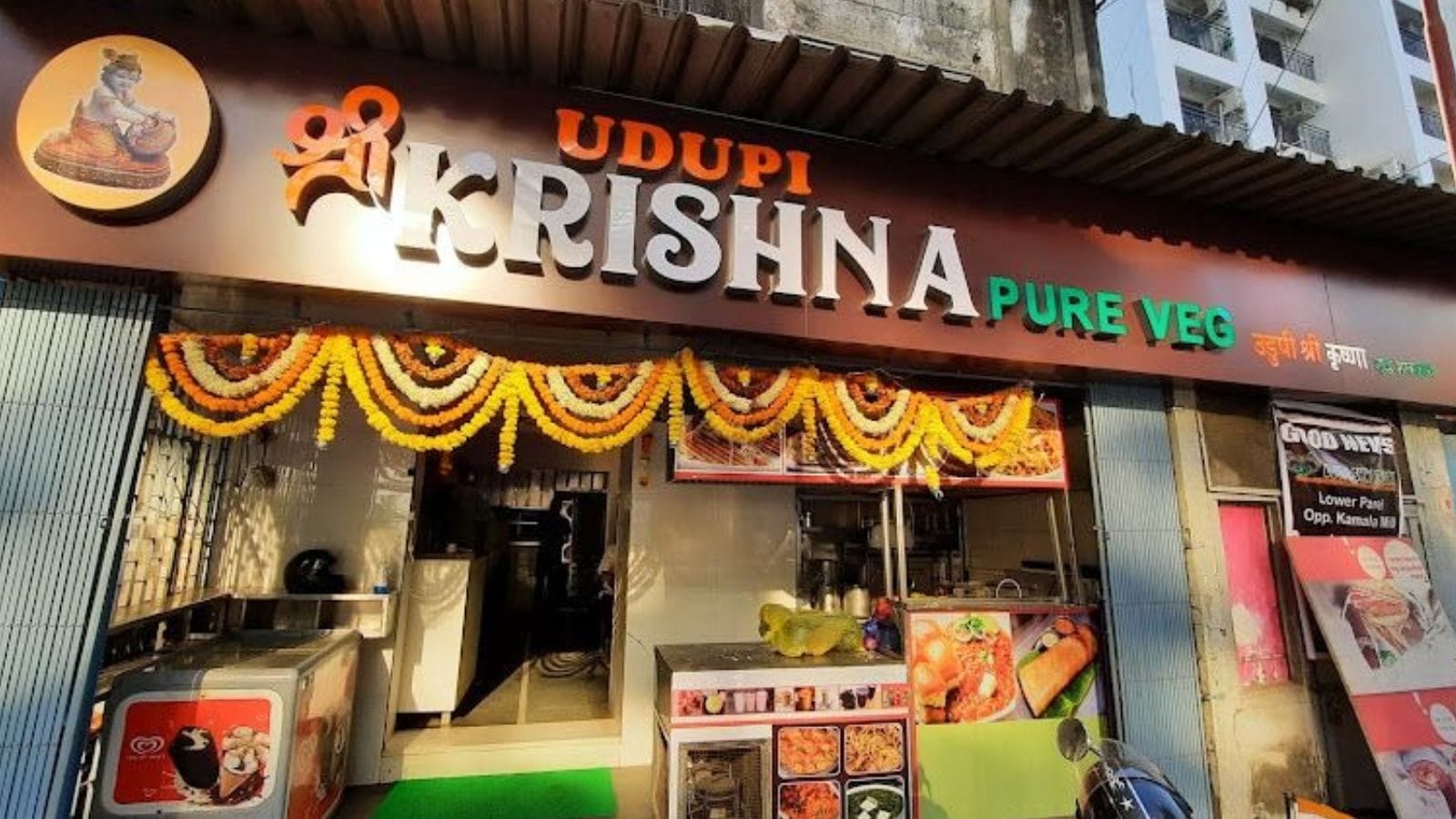
Dining out in Mumbai is becoming more expensive as local restaurants begin to raise their prices. This change comes after a sudden shortage of commercial Liquefied Petroleum Gas (LPG) cylinders across the city. Restaurant owners say they have no choice but to pass the extra costs on to customers to keep their businesses running. This price hike affects everything from small local snack shops to large fine-dining establishments.
Main Impact
The most immediate impact is felt by the average person living in Mumbai. Many people rely on restaurants and street food stalls for their daily meals. With the cost of cooking gas rising and supply becoming hard to find, menu prices have jumped by 10% to 15% in many areas. For a city that loves its food culture, this means that a regular lunch or a weekend dinner now costs significantly more than it did just a few weeks ago.
Key Details
What Happened
Over the last few weeks, the supply of commercial LPG cylinders—the large blue tanks used by businesses—has become inconsistent. While domestic gas for homes remains available, the commercial supply has slowed down. This shortage has forced many restaurant owners to buy gas at much higher rates from alternative suppliers. Some business owners report that they are waiting days for a single delivery, which disrupts their ability to serve a full menu.
Important Numbers and Facts
The price of a single commercial LPG cylinder has seen a sharp increase, often changing week by week. In some parts of Mumbai, the cost of these cylinders has gone up by several hundred rupees. Because fuel accounts for a large part of a restaurant's daily expenses, even a small increase in gas prices leads to a big change in the final bill. Industry experts note that nearly 80% of restaurants in the city have already updated their digital menus or added temporary price stickers to their physical cards.
Background and Context
Cooking gas is the backbone of the food industry in India. Unlike some other countries that use electricity or natural gas pipelines for everything, most Mumbai kitchens depend on these heavy steel cylinders. There are two types of gas: domestic and commercial. Businesses are legally required to use commercial gas, which is more expensive and does not receive government subsidies. When the supply chain for these cylinders breaks down, it creates a ripple effect that hits the food industry first. This is not the first time Mumbai has faced fuel issues, but the current shortage is lasting longer than usual, causing deeper financial pain for small business owners.
Public or Industry Reaction
Restaurant associations in Mumbai have expressed deep concern over the situation. Many owners say they tried to keep prices the same for as long as possible, but they can no longer afford to pay the high fuel costs themselves. "We are already paying more for vegetables and oil," said one cafe owner in South Mumbai. "The gas shortage is the final straw." Customers are also reacting with frustration. While many understand that costs are rising everywhere, the frequency of price hikes is making people think twice before ordering food or visiting their favorite local spots.
What This Means Going Forward
If the supply of LPG does not return to normal soon, more price hikes are likely. Some restaurants are looking into alternative ways to cook, such as using electric induction stoves or piped natural gas where available. However, switching to these methods requires a lot of money upfront, which many small shops do not have. In the coming months, diners should expect to see more "seasonal pricing" or surcharges on their bills. There is also a risk that smaller eateries might have to close down if they cannot find a steady and affordable way to cook their food.
Final Take
The current gas shortage is a reminder of how sensitive the food industry is to fuel costs. For the people of Mumbai, the joy of eating out is now tied to the global and local supply of energy. Until the government or suppliers can guarantee a steady flow of commercial LPG, the cost of a meal will continue to be unpredictable. For now, the city must prepare for a period where dining out is a more expensive habit than it used to be.
Frequently Asked Questions
Why are Mumbai restaurants raising their prices?
Prices are going up because there is a shortage of commercial LPG cylinders. This has made the cost of cooking gas much higher for restaurant owners, who are passing that cost on to customers.
How much more will I have to pay for a meal?
Most restaurants have increased their prices by about 10% to 15%. This varies depending on the type of restaurant and how much gas they use to prepare their specific dishes.
Is the shortage affecting home cooking gas too?
Currently, the shortage is mostly affecting commercial gas cylinders used by businesses. Domestic gas for home use is generally still available, though prices for all types of fuel remain high.



