
Summary
Mumbai has been hit by record-breaking rainfall in late July 2026, a surprising event during an El Niño year which typically brings drier conditions to India. The city saw over 300 mm of rain in a single day, causing widespread flooding, transport delays, and damage to property. This unusual weather pattern has left experts puzzled and raised questions about how climate change is altering monsoon behavior.
Main Impact
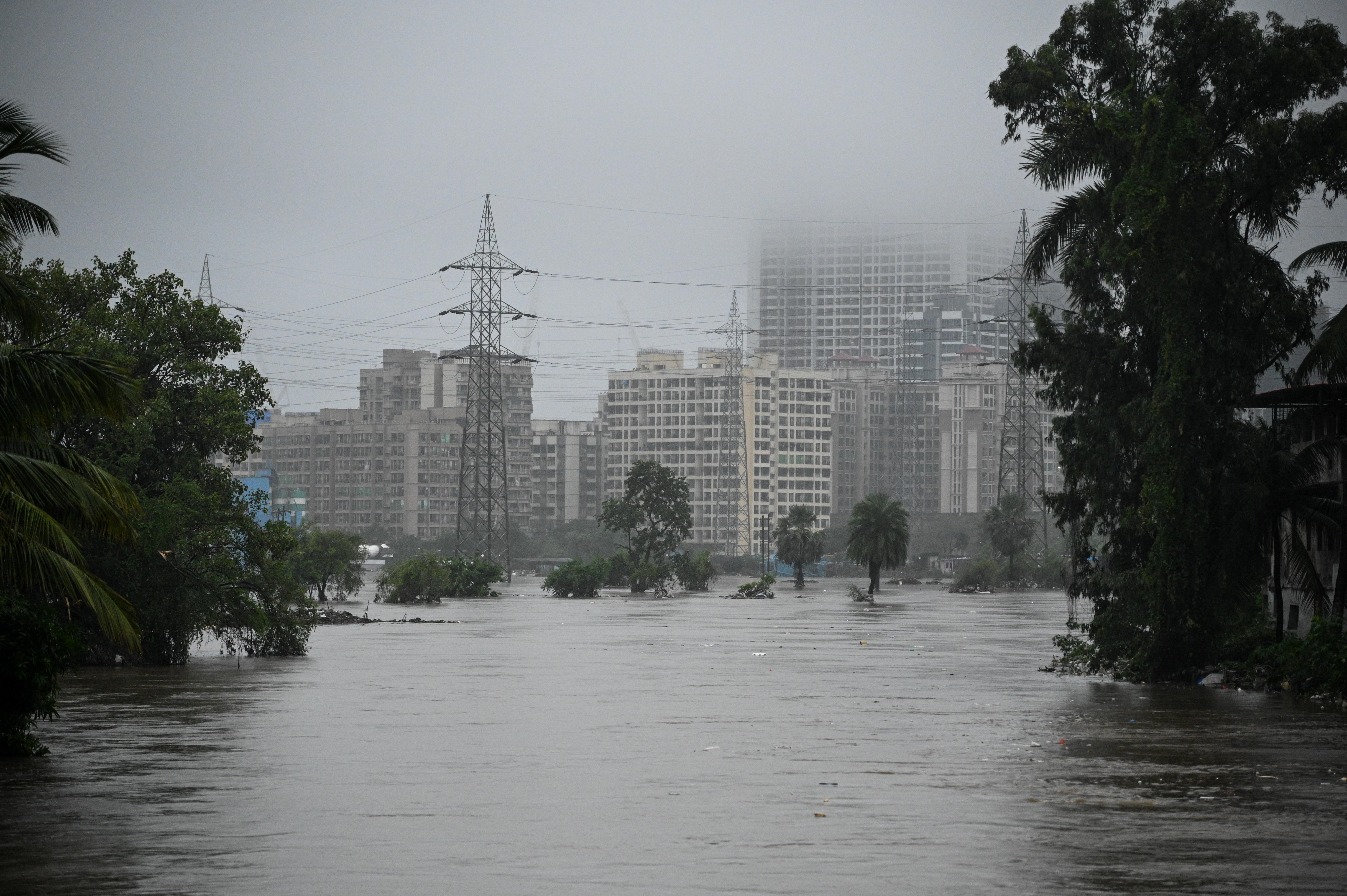
The heavy downpour on July 7, 2026, brought Mumbai to a standstill. Roads turned into rivers, local trains stopped running, and flights were delayed or canceled. Schools and offices were shut, and many people were stuck in traffic for hours. The flooding also damaged homes and businesses, especially in low-lying areas. This event is a stark reminder of how extreme weather can disrupt daily life in a major city.
Key Details
What Happened
On July 7, Mumbai received 312 mm of rain in just 24 hours. This is the highest single-day rainfall for July in over a decade. The rain started in the early morning and continued without a break, overwhelming the city's drainage system. Water entered many homes and streets, forcing people to wade through knee-deep water. The India Meteorological Department (IMD) had issued a red alert, warning of very heavy rain.
Important Numbers and Facts
The 312 mm rainfall broke the previous July record of 298 mm set in 2015. The city's average rainfall for the entire month of July is about 800 mm, meaning this single day accounted for nearly 40% of the monthly average. The rain was caused by a combination of a strong monsoon trough and a low-pressure area over the Arabian Sea. Despite the El Niño conditions, which usually reduce rainfall in India, the monsoon has been active this year.
Background and Context
El Niño is a natural climate pattern where the Pacific Ocean warms up, affecting weather worldwide. In India, El Niño years often bring weaker monsoons and less rain. However, this year has been different. The monsoon arrived on time and has been delivering heavy rain in many parts of the country. Scientists believe that climate change is making the monsoon more unpredictable. Warmer oceans can hold more moisture, leading to heavier rain when conditions are right. This means that even in an El Niño year, extreme rainfall events can still happen.
Public or Industry Reaction
Mumbaikars took to social media to share videos of flooded streets and waterlogged homes. Many expressed frustration with the city's poor drainage system, which has not been upgraded despite repeated flooding. The municipal corporation said it had deployed pumps and rescue teams, but the rain was too heavy for the system to handle. Business owners in flooded areas reported losses, and the stock market saw a slight dip due to concerns about economic disruption. Environmental groups called for better urban planning to deal with climate risks.
What This Means Going Forward
This record rain in an El Niño year is a warning sign. It shows that old weather patterns are changing, and cities need to prepare for more extreme events. Mumbai must invest in better drainage, flood barriers, and early warning systems. The government should also update building rules to prevent construction in flood-prone areas. For the public, it means staying alert during monsoon season and having emergency plans ready. Scientists will continue to study this event to understand how climate change is affecting the monsoon.
Final Take
The record rain in Mumbai is a clear example of how climate change can break old rules. Even in a year when we expect less rain, nature can surprise us. This event should push leaders to act faster on climate adaptation. The safety and well-being of millions depend on it.
Frequently Asked Questions
Why did Mumbai get so much rain during an El Niño year?
El Niño usually means less rain in India, but climate change is making weather patterns more extreme. Warmer oceans can cause heavier rain when conditions are right, even in an El Niño year.
How much rain did Mumbai receive on July 7, 2026?
Mumbai received 312 mm of rain in 24 hours on July 7, 2026. This is the highest single-day rainfall for July in over ten years.
What can Mumbai do to prevent flooding in the future?
Mumbai needs to improve its drainage system, build flood barriers, and update building rules. Better early warning systems and public awareness can also help reduce damage.



