
Summary
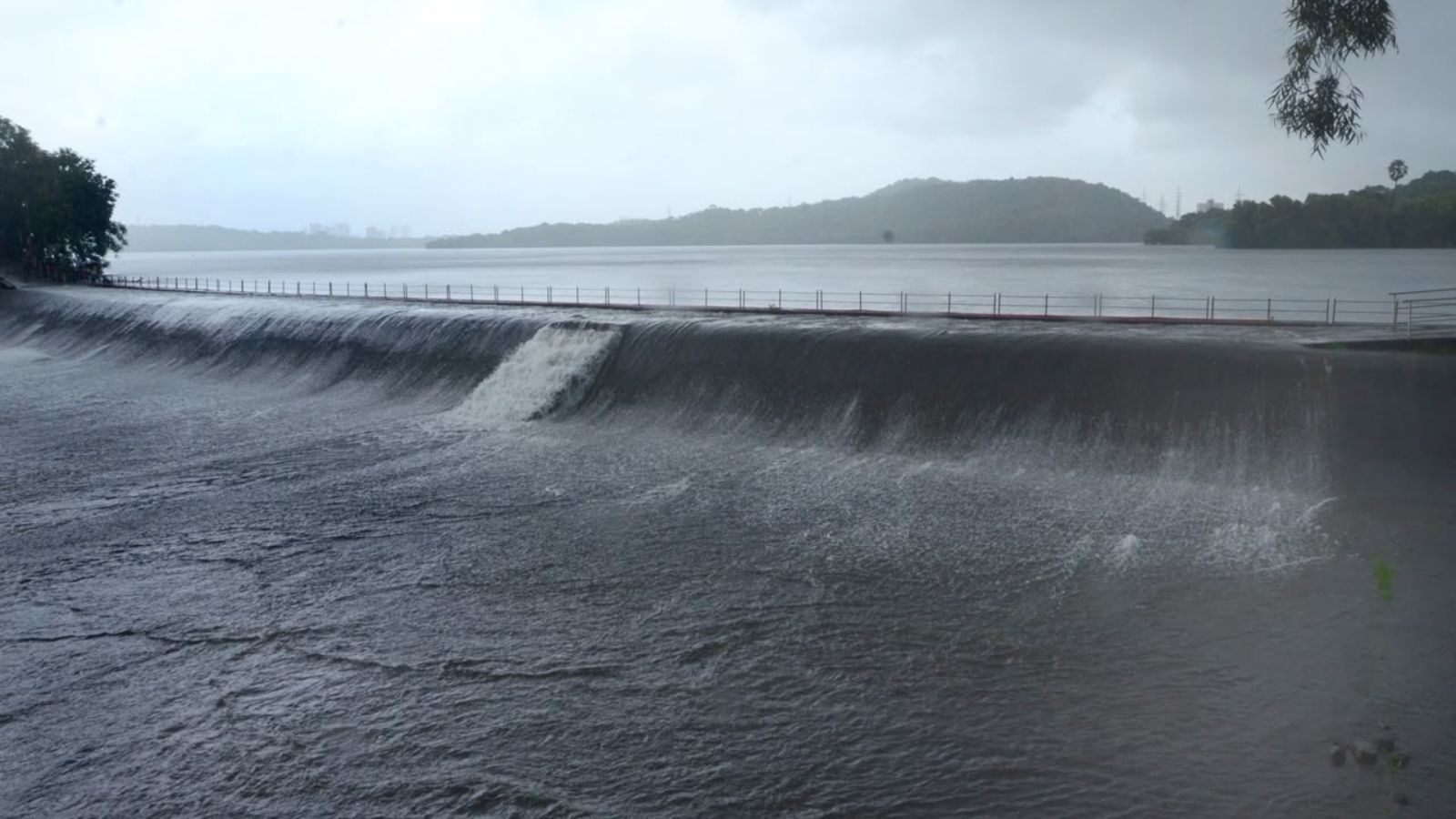
Two major lakes that supply water to Mumbai have started overflowing after heavy rainfall. This has raised questions about possible flooding in the city. While the overflowing lakes are good news for water storage, they also signal that the ground is saturated and more rain could lead to waterlogging in low-lying areas. Authorities are monitoring the situation closely.
Main Impact
The overflowing lakes mean Mumbai's water reserves are full, which is a relief after past water shortages. However, the immediate concern is the increased risk of urban flooding. When lakes overflow, it often means the surrounding catchment areas are soaked, and any additional heavy rain could quickly lead to waterlogging in streets and homes, especially in areas near the lakes or downstream.
Key Details
What Happened
Two of Mumbai's seven main lakes—Tulsi and Vihar—have started overflowing after continuous heavy rain over the past few days. These lakes are located within the Sanjay Gandhi National Park and are critical for the city's water supply. The overflow is a natural process that happens when the water level reaches the lake's maximum capacity.
Important Numbers and Facts
The Tulsi lake began overflowing on July 6, and the Vihar lake followed on July 7. Together, these two lakes supply about 10% of Mumbai's daily water needs. The city's total lake capacity is around 14.47 lakh million liters. As of July 8, the water stock in all seven lakes is at 85% of their total capacity, which is significantly higher than the same period last year. The Brihanmumbai Municipal Corporation (BMC) has issued a warning for areas near the Mithi River, which flows from the Vihar lake, as the river's water level could rise quickly.
Background and Context
Mumbai relies on seven lakes—Tulsi, Vihar, Tansa, Modak Sagar, Upper Vaitarna, Middle Vaitarna, and Bhatsa—for its drinking water. Every year, the monsoon season fills these lakes, and the city hopes for enough rain to avoid water cuts. In recent years, Mumbai has faced both floods and droughts. The overflowing lakes are a positive sign for water security, but they also highlight the city's vulnerability to flooding. The Mithi River, which passes through many residential and commercial areas, is particularly prone to overflowing during heavy rain, causing widespread waterlogging.
Public or Industry Reaction
Residents in low-lying areas near the Mithi River and the lakes have expressed concern. Many remember the devastating floods of 2005 and are worried about a repeat. Local community groups have started sharing flood safety tips and advising people to stay indoors during heavy rain. The BMC has deployed pumps and rescue teams in vulnerable areas. On social media, some residents have shared photos of the overflowing lakes, while others have asked the authorities to clear drainage systems to prevent waterlogging.
What This Means Going Forward
The overflowing lakes are a double-edged sword. On one hand, they ensure that Mumbai will not face water cuts for the next few months. On the other hand, they increase the risk of flooding if the rain continues. The BMC has said it is prepared for any emergency, but residents should stay alert. The key risk is that the ground is already saturated, so even moderate rain could cause waterlogging. The next few days will be critical as the monsoon is expected to remain active. People living in flood-prone areas should keep emergency supplies ready and follow official warnings.
Final Take
The overflowing lakes are a clear sign that Mumbai's monsoon is in full swing. While the water storage is a relief, the city must now focus on flood preparedness. The situation is under control for now, but the risk of flooding remains real. Residents should stay informed and take necessary precautions. The coming days will test the city's drainage and emergency response systems.
Frequently Asked Questions
Why are the lakes overflowing?
The lakes are overflowing because of continuous heavy rainfall in the catchment areas. When the water level reaches the lake's maximum capacity, the excess water naturally flows out. This is a normal process during the monsoon season.
Should I be worried about flooding?
If you live in a low-lying area near the Mithi River or close to the lakes, you should be cautious. The overflowing lakes mean the ground is already wet, so more rain could cause waterlogging. The BMC has issued warnings for these areas, so it is best to stay updated and follow official advice.
Will there be water cuts in Mumbai now?
No, the overflowing lakes are actually good news for water supply. With the lakes full, the city is unlikely to face water cuts for the next few months. The BMC has said that the current water stock is sufficient to meet the city's needs.



