
Summary
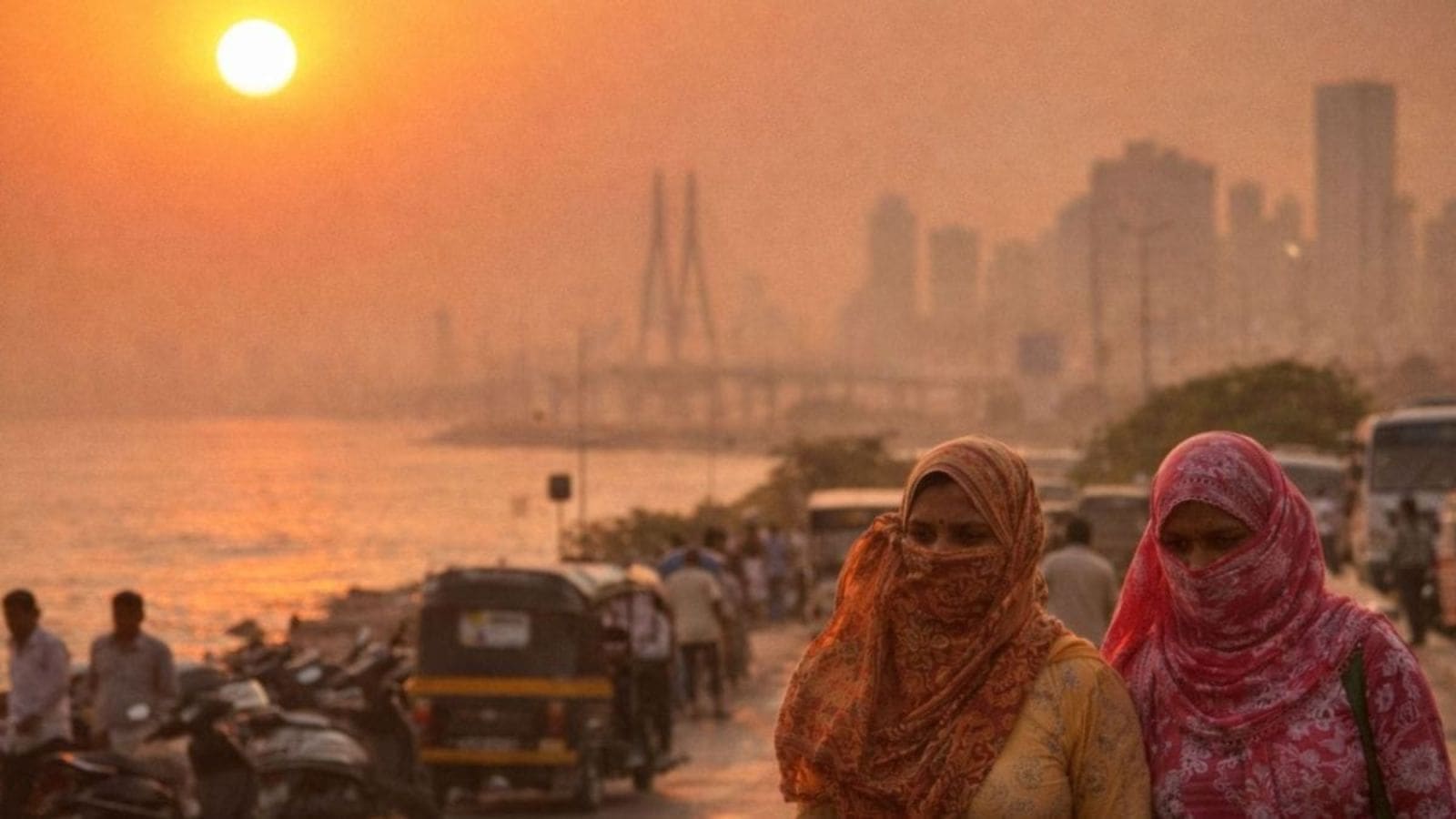
Mumbai is currently facing its fourth heatwave of March 2026, with temperatures expected to climb above 38 degrees Celsius. This series of extreme heat events is unusual for the start of the summer season and has raised concerns among health officials and residents. The persistent high temperatures are being caused by dry winds and a delay in the cooling sea breeze that usually keeps the coastal city comfortable.
Main Impact
The primary impact of this heatwave is a significant risk to public health and a surge in energy use. When temperatures stay this high for several days, the human body struggles to cool down, leading to cases of heat exhaustion and dehydration. Additionally, the city is seeing a massive increase in electricity demand as millions of people turn on air conditioning units at the same time. This puts a heavy load on the power grid and increases the risk of local power cuts.
Key Details
What Happened
The India Meteorological Department (IMD) has noted that Mumbai is experiencing a weather pattern where hot, dry winds are blowing in from the north and northwest. Usually, Mumbai benefits from a sea breeze that starts in the late morning or early afternoon, bringing cooler air from the Arabian Sea. However, during these heatwave periods, the sea breeze is arriving much later in the day, often not until the late evening. This allows the sun to heat the city surface without any natural cooling for many hours.
Important Numbers and Facts
The temperature is predicted to stay between 37 and 39 degrees Celsius for several days. This is roughly 4 to 6 degrees higher than the average temperature for Mumbai in March. This marks the fourth time this month that the city has met the official criteria for a heatwave. A heatwave is declared when the maximum temperature is significantly higher than the normal range for two or more days in a row. In a coastal city like Mumbai, high humidity levels make the "real feel" temperature seem even higher than what is shown on the thermometer.
Background and Context
March is typically the month when summer begins in India, but having four separate heatwaves in a single month is rare for Mumbai. Experts point to a few reasons for this change. First, the "Urban Heat Island" effect plays a big role. Mumbai has many concrete buildings and paved roads that soak up heat during the day and release it slowly at night. This prevents the city from cooling down properly. Second, changing global weather patterns are making extreme heat events more frequent and more intense. What used to be a once-in-a-decade weather event is now happening almost every year.
Public or Industry Reaction
Health experts and doctors are advising people to stay indoors during the hottest parts of the day, usually between 11:00 AM and 4:00 PM. They recommend drinking plenty of water, even if you do not feel thirsty, and wearing light, loose-fitting cotton clothes. Schools in some parts of the city are considering shorter hours to ensure children are not traveling during the peak heat. Laborers and outdoor workers are the most affected, and there are calls for companies to provide better shade and more frequent breaks for those working on construction sites or in delivery services.
What This Means Going Forward
This early heat suggests that April and May could be even hotter than usual. City planners are now looking at long-term "Heat Action Plans" to help Mumbai cope. These plans include painting roofs with reflective white paint to bounce sunlight away and planting more trees to provide natural shade. There is also a growing need to improve the water supply, as people consume more water during these hot spells. If these heatwaves continue to happen every March, the city will need to change how it builds homes and manages public transport to keep people safe.
Final Take
The recurring heatwaves in Mumbai are a clear sign that the city must prepare for a hotter future. While the immediate focus is on staying hydrated and cool, the long-term challenge will be making the city more resilient to extreme weather. Simple changes in daily habits and better urban planning will be necessary to protect the health and well-being of all residents as summer temperatures continue to break records.
Frequently Asked Questions
Why is Mumbai so hot in March?
Mumbai is experiencing hot winds from the north and a delayed sea breeze. These factors, combined with the city's concrete structures, trap heat and cause temperatures to rise well above the normal average for this time of year.
How can I stay safe during a heatwave?
The best ways to stay safe are to drink lots of water, avoid going outside during the middle of the day, and wear light clothing. If you must go out, use an umbrella or a hat to protect yourself from direct sunlight.
Is this the hottest March on record for Mumbai?
While the final data is still being collected, having four heatwaves in one month is very unusual. This March is likely to be one of the hottest the city has seen in recent years due to the frequency of these extreme heat events.



