
Summary
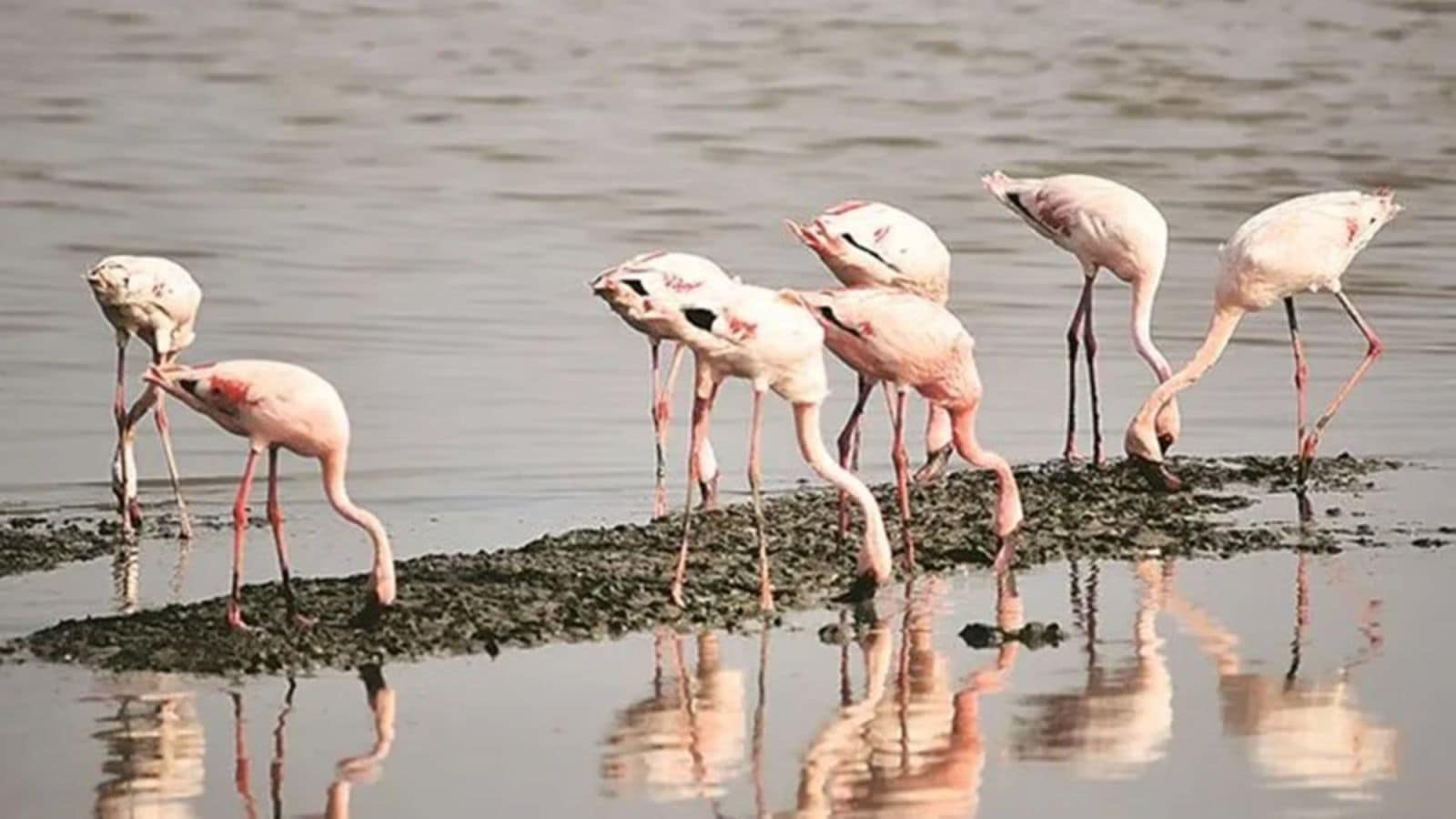
Thousands of flamingos have finally arrived in the Mumbai Metropolitan Region after a long and unusual delay. These famous pink birds usually fly to the city's wetlands by November or December, but this year they stayed away for several extra months. Their late arrival has caused concern among nature lovers and scientists who track bird migration. The return of the birds is a relief, but it also raises important questions about how changing weather and city growth are affecting wildlife.
Main Impact
The late arrival of the flamingos has a direct effect on the local environment and the health of the birds themselves. When these birds arrive late, they have much less time to feed on the algae found in Mumbai’s mudflats. This food is necessary for them to gain strength before they fly back to their breeding grounds. If they do not eat enough, they may not be strong enough to make the long journey home or to raise their young. This shift in timing also suggests that the natural cycles the birds rely on are being disrupted by outside forces.
Key Details
What Happened
For many years, the arrival of flamingos has been a predictable event for people living in Mumbai and Navi Mumbai. However, this season, the wetlands remained mostly empty during the peak winter months. It was only recently that large groups of Greater and Lesser flamingos were spotted at the Thane Creek Flamingo Sanctuary and the wetlands in Navi Mumbai. Experts believe that changes in rainfall and temperature in other parts of the country might have kept the birds away longer than usual. Some birds were seen in smaller groups earlier, but the massive flocks that turn the water pink only appeared very late in the season.
Important Numbers and Facts
In a typical year, more than 100,000 flamingos visit the Mumbai region. They usually stay from late autumn until the start of the monsoon rains in June. This year, the numbers remained very low until February and March. There are two main types of flamingos that visit the area. The Greater Flamingo is taller and has more white feathers, while the Lesser Flamingo is smaller and shows a much brighter pink color. Both species depend on the shallow waters and mudflats found near the city to survive the winter months.
Background and Context
Flamingos do not live in Mumbai all year round. They are migratory birds, which means they travel long distances to find food and safe places to stay. Most of the flamingos that come to Mumbai fly from the Rann of Kutch in Gujarat. Some may even come from places as far away as Iran or parts of Africa. They are drawn to the Mumbai coast because the water there contains a specific type of blue-green algae. This algae is their main source of food and is also what gives their feathers the famous pink color. The wetlands act as a vital kitchen and resting place for these birds during the colder months of the year.
Public or Industry Reaction
Bird watchers and environmental groups have been watching the shores closely for months. Many were worried that the birds might not come at all this year. Environmentalists point out that heavy construction and noise near the coast might be scaring the birds away. New bridges and tall buildings are being built very close to the areas where the birds usually land. People who live near the NRI wetlands and the TS Chanakya area in Navi Mumbai have been active in asking the government to protect these spots. They believe that if the wetlands are destroyed or polluted, the flamingos will eventually stop coming to the city forever.
What This Means Going Forward
The delay this year serves as a warning for the future. If the birds continue to arrive late or in smaller numbers, it could mean the local ecosystem is failing. Scientists need to study whether the water quality is changing or if the food the birds eat is disappearing. There is also a need for stricter rules on construction near bird sanctuaries. Going forward, city planners will have to find a way to balance the growth of the city with the need to protect natural habitats. If the wetlands are lost, Mumbai will lose one of its most famous and beautiful natural sights.
Final Take
Seeing the flamingos finally cover the mudflats in pink is a wonderful sight for the city. It shows that nature is resilient and that these birds still find a home in our busy urban areas. However, we cannot take their return for granted. The delay this year is a clear sign that the environment is changing. Protecting these wetlands is not just about the birds; it is about keeping the natural balance of the entire region healthy for everyone.
Frequently Asked Questions
Why were the flamingos late this year?
Experts believe that unseasonal rains and changes in temperature in their breeding areas delayed their flight. Construction noise and habitat changes near Mumbai may also have played a part.
Where can you see the flamingos in Mumbai?
The best places to see them are the Thane Creek Flamingo Sanctuary, the Sewri mudflats, and various wetlands in Navi Mumbai like the NRI complex and Talawe.
What do flamingos eat in the wetlands?
They mainly eat blue-green algae and small shrimp found in the mud. The natural chemicals in this food are what give the flamingos their bright pink color.



