
Summary
The important work of cleaning up the Mulund dumpsite in Mumbai has come to a sudden stop. This delay is happening because the contractors doing the work are facing a major fuel supply crisis. Without diesel to run the heavy machinery, the process of removing years of old garbage has stalled. This situation is a setback for the city's plan to clear the massive landfill and improve the local environment.
Main Impact
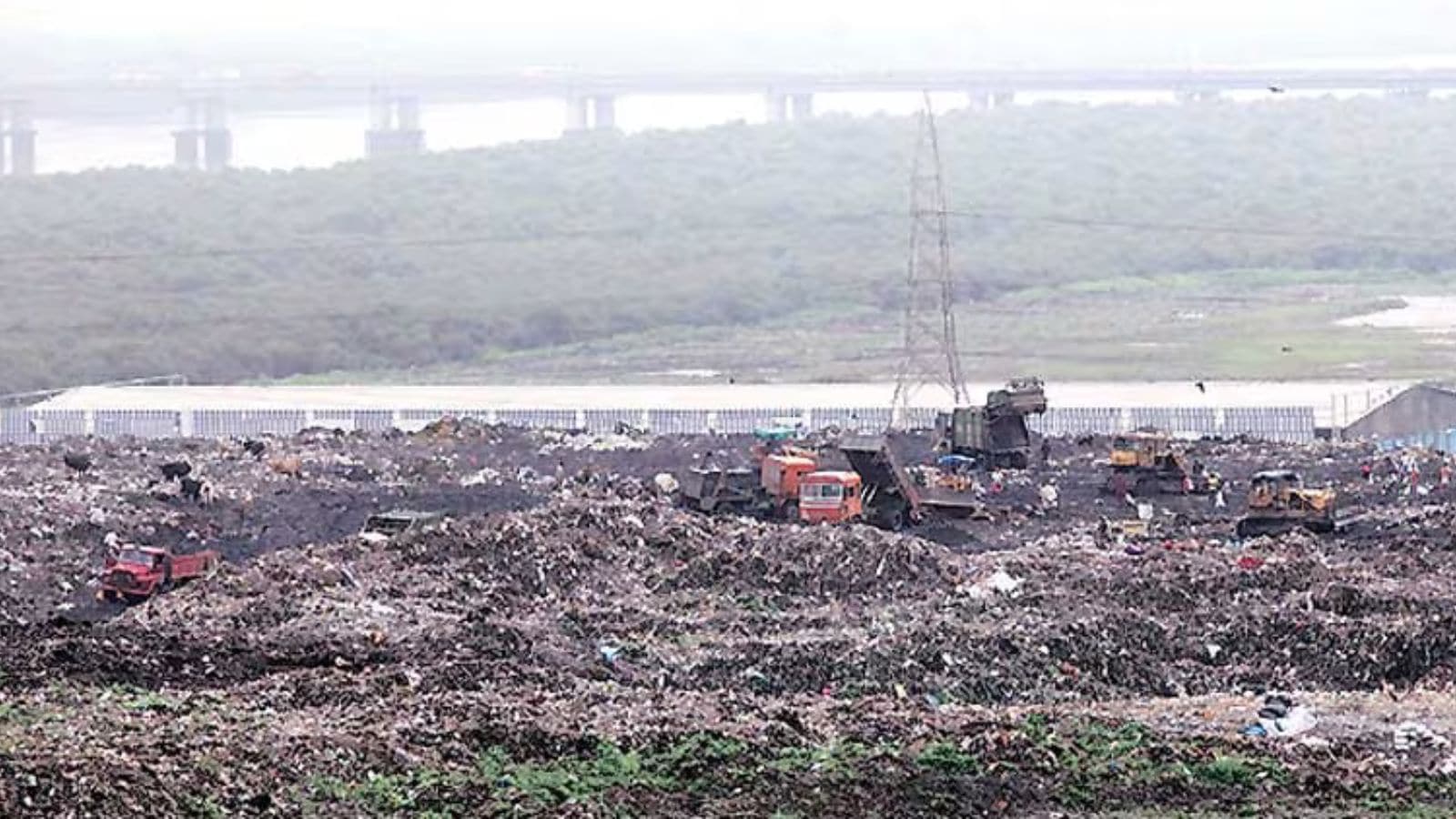
The main impact of this stoppage is a total halt in the bio-remediation process. Bio-remediation is the method used to break down and remove old waste from the ground. When the machines stop moving, the garbage stays in place, which continues to cause problems for the people living nearby. The delay also means that the land, which the city hopes to use for other purposes, will remain covered in trash for much longer than planned. This pause creates a risk of more pollution and bad smells affecting the neighborhood.
Key Details
What Happened
For the past few days, the heavy excavators and trucks at the Mulund landfill have not been working. The companies hired by the Brihanmumbai Municipal Corporation (BMC) to clean the site say they cannot get the fuel they need. There are reports that the fuel suppliers have stopped sending diesel because they have not been paid. At the same time, the contractors claim they are waiting for the city government to clear their own bills. This circle of unpaid money has left the machines empty and the workers with nothing to do.
Important Numbers and Facts
The Mulund dumpsite covers about 24 hectares of land. It was officially closed for new trash in 2018 after being used for several decades. Experts estimate that there are about 7 million metric tonnes of waste piled up at the site. The project to clean this area is one of the largest of its kind in the country. So far, a good portion of the waste has been processed, but millions of tonnes still need to be handled. The goal was to finish the work within a set timeframe, but this fuel crisis makes that deadline hard to meet.
Background and Context
For a long time, Mumbai had three main places to put its trash: Deonar, Kanjurmarg, and Mulund. The Mulund site became a giant mountain of garbage that caused many health issues for local residents. Bio-remediation was chosen as the solution because it is better for the environment than just moving the trash somewhere else. In this process, machines sort through the waste. They separate things like plastic and metal from organic material. The organic material is turned into soil-like matter, while other items are sent for recycling or safe disposal. This helps to slowly shrink the mountain of trash until the ground is clean again.
Public or Industry Reaction
People living in Mulund are very unhappy about the work stopping. They have dealt with smoke from fires and terrible smells for many years. When the cleanup started, there was hope that the air would finally stay clean. Now, residents worry that the project might be abandoned or delayed for a long time. Environmental experts are also concerned. They point out that leaving the waste piles open and untouched can lead to the buildup of dangerous gases. If the machines do not start moving again soon, the progress made over the last few years could be at risk.
What This Means Going Forward
The city government needs to act quickly to solve the money and fuel issues. If the contractors do not get the funds they need to buy diesel, the site will remain silent. There is also a worry about the upcoming monsoon season. If the waste is not managed properly before the heavy rains start, it can lead to dirty water leaking into the ground, which is called leachate. The BMC may need to look at the contracts again or find a way to provide fuel directly to ensure the work continues without more breaks. The next few weeks will be critical to see if the project can get back on track.
Final Take
Cleaning up a massive landfill is a difficult and expensive task, but it is something the city must do for the health of its people. The current fuel crisis at the Mulund dumpsite shows how a simple problem like a lack of diesel can stop a multi-million dollar environmental project. It is vital for the authorities to fix these payment issues immediately. Every day the machines are silent is a day that the people of Mulund have to live with a mountain of waste in their backyard.
Frequently Asked Questions
Why did the work stop at the Mulund dumpsite?
The work stopped because the contractors ran out of fuel for their machines. This happened due to a dispute over unpaid bills between the city, the contractors, and the fuel suppliers.
What is bio-remediation?
Bio-remediation is a process that uses machines and natural methods to sort and break down old waste. It helps clean the land so it can be used again in the future.
How much waste is at the Mulund site?
There are about 7 million metric tonnes of waste at the site. The project aims to process all of this garbage to completely clear the 24 hectares of land.



