Summary
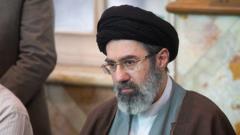
Iran has officially named Mojtaba Khamenei as the nation's new Supreme Leader. At 56 years old, he takes over the highest position in the country from his father, Ali Khamenei, who held the role for over three decades. This transition is a major turning point in Iranian politics, as it marks the first time power has passed directly from father to son since the 1979 revolution. Most political experts believe that Mojtaba will maintain the strict, hardline policies that his father established during his long rule.
Main Impact
The rise of Mojtaba Khamenei ensures that the current power structure in Iran remains firmly in place. By selecting a family member, the ruling religious and military groups are signaling a desire for stability and continuity. This decision suggests that Iran will not be changing its tough stance on foreign policy or its strict internal social rules anytime soon. For the rest of the world, this means that negotiations regarding nuclear energy and regional security will likely remain difficult and unchanged.
Key Details
What Happened
After years of working in the background, Mojtaba Khamenei has stepped into the most powerful role in the country. For a long time, he was known as a quiet but influential figure who managed his father’s daily affairs and maintained close ties with the military. His appointment was finalized by the Assembly of Experts, the group responsible for choosing the Supreme Leader. While there were other potential candidates, Mojtaba’s deep connections within the government made him the primary choice to lead the nation forward.
Important Numbers and Facts
Mojtaba is 56 years old, which makes him relatively young compared to previous leaders. He is the second son of Ali Khamenei and has spent more than 20 years building a power base within the Islamic Revolutionary Guard Corps (IRGC). He also holds a high religious rank, a necessary requirement for anyone holding the title of Supreme Leader. His rise follows a long period of preparation where he gradually took on more responsibilities as his father’s health and age became a concern for the ruling elite.
Background and Context
To understand the importance of this change, it is helpful to know how Iran is governed. The Supreme Leader is the ultimate authority in the country. He has the final word on all major decisions, including military actions, judicial rulings, and foreign relations. Since the 1979 revolution, Iran has only had two leaders. The first was Ruhollah Khomeini, and the second was Ali Khamenei. The move to appoint Mojtaba is seen as controversial by some because the revolution was originally intended to end the practice of hereditary rule, which was common under the previous monarchy.
Public or Industry Reaction
The reaction to Mojtaba’s new role has been divided. Inside Iran, supporters of the government believe he is the best person to keep the country strong and united against foreign pressure. They see his experience behind the scenes as a sign that he is ready to lead. However, critics and opposition groups have expressed disappointment. They argue that passing power from father to son ignores the will of the people and the principles of the constitution. Internationally, many governments are watching the situation with caution, fearing that a younger, hardline leader might be even less willing to compromise on global issues.
What This Means Going Forward
In the coming months, Mojtaba will need to establish his own authority and address several pressing challenges. Iran is currently dealing with a difficult economy and ongoing social tension. He will likely rely heavily on the support of the Revolutionary Guard to keep order and enforce government policies. On the global stage, Iran is expected to continue its close partnerships with countries like Russia and China while maintaining a distance from Western nations. The new leader's first few major decisions will be closely watched to see if he intends to make any small changes or if he will strictly follow his father's path.
Final Take
The appointment of Mojtaba Khamenei is a clear message that Iran’s leadership is choosing to stay the course. By picking a familiar figure who has spent decades learning the inner workings of the state, the government is prioritizing stability over reform. While the world waits to see how he will handle his new responsibilities, it appears that the core policies of the previous era will remain the foundation of Iran's future.
Frequently Asked Questions
Who is Mojtaba Khamenei?
He is the son of the previous leader, Ali Khamenei, and has recently been named the new Supreme Leader of Iran.
How old is the new leader?
Mojtaba Khamenei is 56 years old, which is considered young for this high-ranking position.
Will Iran change its policies under his rule?
Most experts believe he will continue the same hardline policies as his father, focusing on military strength and strict social control.