
Summary
The Congress party has strongly criticized Prime Minister Narendra Modi for his current trip to Israel. Party leaders claim that the visit shows a lack of moral courage while the conflict in Gaza continues to cause heavy loss of life. They argue that the Prime Minister is ignoring India’s long history of supporting Palestine in favor of a close relationship with Israeli leader Benjamin Netanyahu. This political dispute highlights a major disagreement over how India should handle its foreign policy in the Middle East.
Main Impact
This visit marks a significant moment in India’s international relations, as it shows a clear move toward stronger ties with Israel despite global pressure. While the government focuses on building military and trade deals, the opposition warns that this shift could damage India’s reputation as a fair and neutral global power. The criticism from the Congress party suggests that the country is divided on whether to prioritize strategic gains or stick to its traditional humanitarian values.
Key Details
What Happened
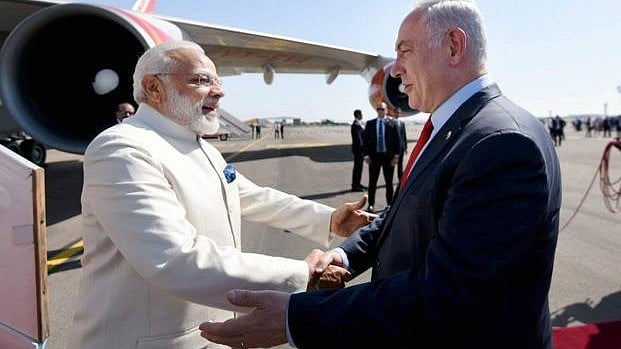
Prime Minister Narendra Modi arrived in Israel on Wednesday for a two-day official visit. The main goals of the trip are to improve cooperation in defense and increase trade between the two nations. However, the timing of the visit has caused a political storm back home. Congress leaders have publicly condemned the move, stating that the Prime Minister should not be celebrating a partnership while the situation in Gaza remains dire. They believe the government is turning its back on the Palestinian people to please a strategic ally.
Important Numbers and Facts
This is the Prime Minister’s second visit to Israel in nine years, with his first historic trip taking place in July 2017. During that first visit, the relationship between the two countries was officially upgraded to a "strategic partnership." To show the contrast in policy, Congress leader Jairam Ramesh pointed to several historical dates. He noted that on May 20, 1960, then-Prime Minister Jawaharlal Nehru visited Gaza to support UN peacekeepers. He also reminded the public that India issued a special stamp for Palestine in 1981 and officially recognized Palestine as a state on November 18, 1988.
Background and Context
For many decades, India was one of the strongest supporters of the Palestinian cause on the world stage. This support was rooted in India’s own history of fighting against colonial rule. However, over the last ten years, the relationship with Israel has grown much closer. Israel is now one of India’s top suppliers of military equipment and technology. This change has created a difficult balancing act for Indian leaders. They want to keep the benefits of a partnership with Israel while also maintaining good relations with Arab nations and supporting human rights. The current conflict in Gaza has made this balance even harder to maintain, as the world watches the rising death toll and the destruction of homes.
Public or Industry Reaction
The reaction from the Congress party has been blunt and direct. Jairam Ramesh used the term "moral cowardice" to describe the Prime Minister’s actions, suggesting that the government is afraid to speak up against Israel’s military actions. Priyanka Gandhi Vadra also joined the criticism, urging the Prime Minister to use his speech at the Knesset, the Israeli parliament, to talk about the "genocide" in Gaza. She stated that India has always stood for truth and justice and should not remain silent now. On the other hand, supporters of the government argue that the visit is necessary for India’s national security and economic growth, claiming that foreign policy should be based on national interest rather than old emotions.
What This Means Going Forward
The outcome of this visit will likely set the tone for India’s role in Middle Eastern politics for years to come. If the Prime Minister focuses only on trade and defense without mentioning the humanitarian crisis, it may signal a permanent end to India’s traditional role as a mediator. There are risks that this approach could upset other partners in the region who are deeply concerned about the situation in Gaza. In the coming days, observers will be watching closely to see if the Indian government makes any official statements regarding the peace process or if they will stick strictly to business and military cooperation.
Final Take
The debate over the Prime Minister’s visit to Israel is about more than just one trip; it is about the identity of India on the global stage. While the government sees a future built on strong military and economic alliances, the opposition reminds the country of its historical commitment to human rights and justice. Balancing these two paths is the biggest challenge for India’s leaders today. As the visit continues, the world will see whether India chooses to be a strategic partner or a moral voice in a troubled region.
Frequently Asked Questions
Why is the Congress party criticizing the visit?
The Congress party believes the visit ignores the humanitarian crisis in Gaza and moves away from India's long-standing support for the Palestinian people.
What is the main goal of PM Modi's visit to Israel?
The primary goals are to strengthen ties in the defense sector and expand trade and economic cooperation between the two countries.
How has India's stance on Palestine changed over time?
Historically, India was a very strong supporter of Palestine, being one of the first non-Arab countries to recognize it. In recent years, India has moved toward a more balanced approach, building a very close strategic and military relationship with Israel.

