Summary
The conflict between the United States, Israel, and Iran has reached a critical point as military actions intensify across the Middle East. President Donald Trump has publicly praised the targeting of Iranian leaders, while the U.S. government takes urgent steps to prevent a global energy crisis. As oil prices climb, new plans are being made to protect shipping routes and adjust trade rules to keep the global economy stable. This situation involves multiple countries and has led to casualties on several fronts.
Main Impact
The most immediate effect of this escalation is the threat to the world’s energy supply. Because much of the world’s oil travels through the Middle East, the fighting has caused prices to jump quickly. To stop a financial disaster, the U.S. Treasury is proposing a new international naval group to guard oil tankers. In a surprising move, the U.S. is also allowing some Russian oil to be bought temporarily to keep prices from getting too high for everyday people. This shows how worried leaders are about the economic fallout of the war.
Key Details
What Happened
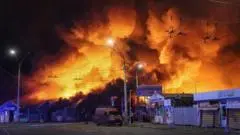
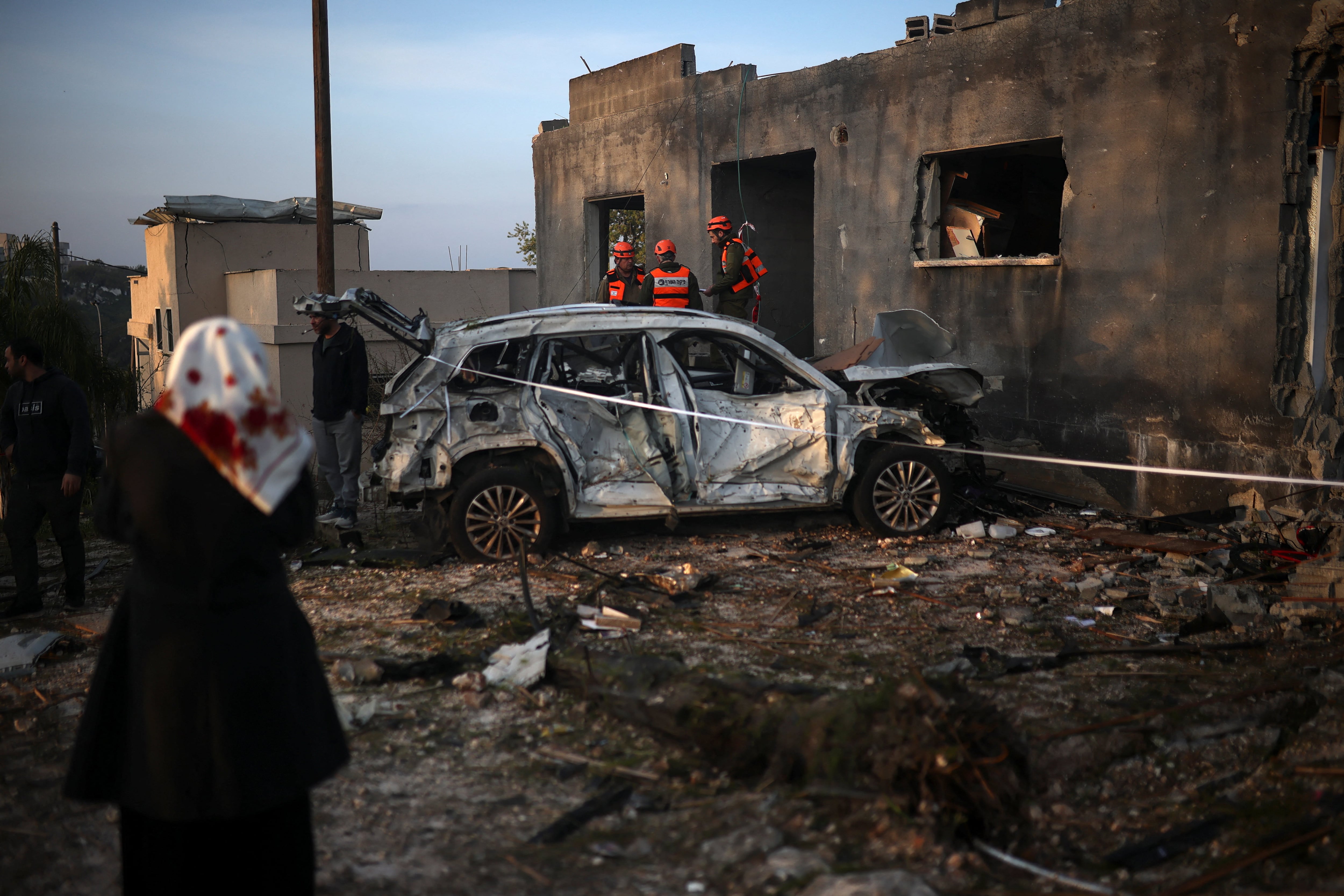
On the ground, the fighting is spreading to different countries. In Iraq, a pro-Iranian group claimed they shot down a U.S. refueling plane. While the U.S. military says the plane did not go down because of enemy fire, they did admit that an incident happened involving another aircraft and that a rescue mission is currently underway. Meanwhile, France confirmed that one of its soldiers was killed during a separate attack in Iraq. In the north, Israel has continued its strikes in Lebanon following a missile attack that injured dozens of people inside Israel.
Important Numbers and Facts
The human and economic cost of the conflict is growing. In northern Israel, more than 50 people were injured after a missile strike earlier today. On the economic side, the U.S. Treasury Secretary, Scott Bessent, is looking to form a coalition of nations to patrol the Strait of Hormuz. This narrow waterway is vital because it carries about 20% of the world's total oil supply. Iran’s representative at the United Nations stated that they do not plan to block this path, but they insisted they have the right to defend their interests in the area.
Background and Context
The tension between these nations is not new, but it has turned into an open military struggle. The U.S. and Israel see the Iranian government as a major threat to regional stability. Iran, in turn, uses various groups in Iraq, Lebanon, and Yemen to fight back. The Strait of Hormuz is the most important part of this map. If that waterway is closed or becomes too dangerous for ships, gas prices around the world could double or triple. This is why the U.S. is willing to work with international partners and even ease rules on Russian oil to keep the market moving.
Public or Industry Reaction
President Trump has used strong language to describe the current military strategy. He told reporters that he believes the U.S. is winning the war and expressed that removing Iranian leaders is a necessary action. His comments have drawn sharp reactions from international leaders who worry about the war getting even larger. Meanwhile, the shipping industry is on high alert. Companies that move oil are asking for more protection, which led to the proposal for U.S. Navy escorts. Iran’s diplomats are trying to sound calm at the UN, but they are also warning that they will not back down if they feel threatened.
What This Means Going Forward
In the coming days, the focus will be on whether the U.S. can successfully form its naval coalition. If other countries join the U.S. Navy in the Strait of Hormuz, it could either prevent attacks or lead to a direct naval battle with Iran. Investors will also be watching oil prices closely. The decision to allow Russian oil to flow temporarily is a short-term fix, but it may not be enough if the fighting in Lebanon and Iraq continues to get worse. There is also the risk of more countries being pulled into the fight, as seen with the recent death of a French soldier.
Final Take
The situation is changing every hour, and the risks are high for both the military and the global economy. While the U.S. focuses on military success and price stability, the human cost in the region continues to rise. The world is now waiting to see if diplomacy can find a way forward or if the conflict will expand into a much larger global crisis.
Frequently Asked Questions
Why are oil prices going up?
Prices are rising because investors fear that the war will block the Strait of Hormuz, which is a major path for the world's oil. If ships cannot pass safely, there will be less oil available, making it more expensive.
What is the U.S. doing about the high cost of fuel?
The U.S. Treasury has proposed using the Navy to protect oil ships and has temporarily allowed the purchase of Russian oil that is already moving to help keep the global supply steady.
Is the war spreading beyond Israel and Iran?
Yes. Recent events show that the fighting has affected Iraq and Lebanon, and has resulted in the death of a French soldier, showing that many nations are now involved in the conflict.