
Summary
Residents of Ward 13 in Mehsana are expressing deep anger over the lack of basic facilities in their neighborhoods. Despite Mehsana recently becoming a Municipal Corporation, people living in areas like Rishinagar and Rana Vas say they have been ignored for decades. These residents, many of whom work as city cleaners, are forced to live with overflowing sewage and broken roads. Because their complaints have not been heard, they are now threatening to boycott the upcoming local elections.
Main Impact
The main impact of this situation is a complete breakdown of trust between the local government and the citizens. The people living in Ward 13 feel that they are being treated as second-class citizens. While other parts of Mehsana see new projects and better roads, these neighborhoods remain stuck with old problems. This frustration has reached a point where hundreds of families are ready to give up their right to vote to show their protest. This could lead to a very low voter turnout in the city’s first-ever municipal corporation election.
Key Details
What Happened
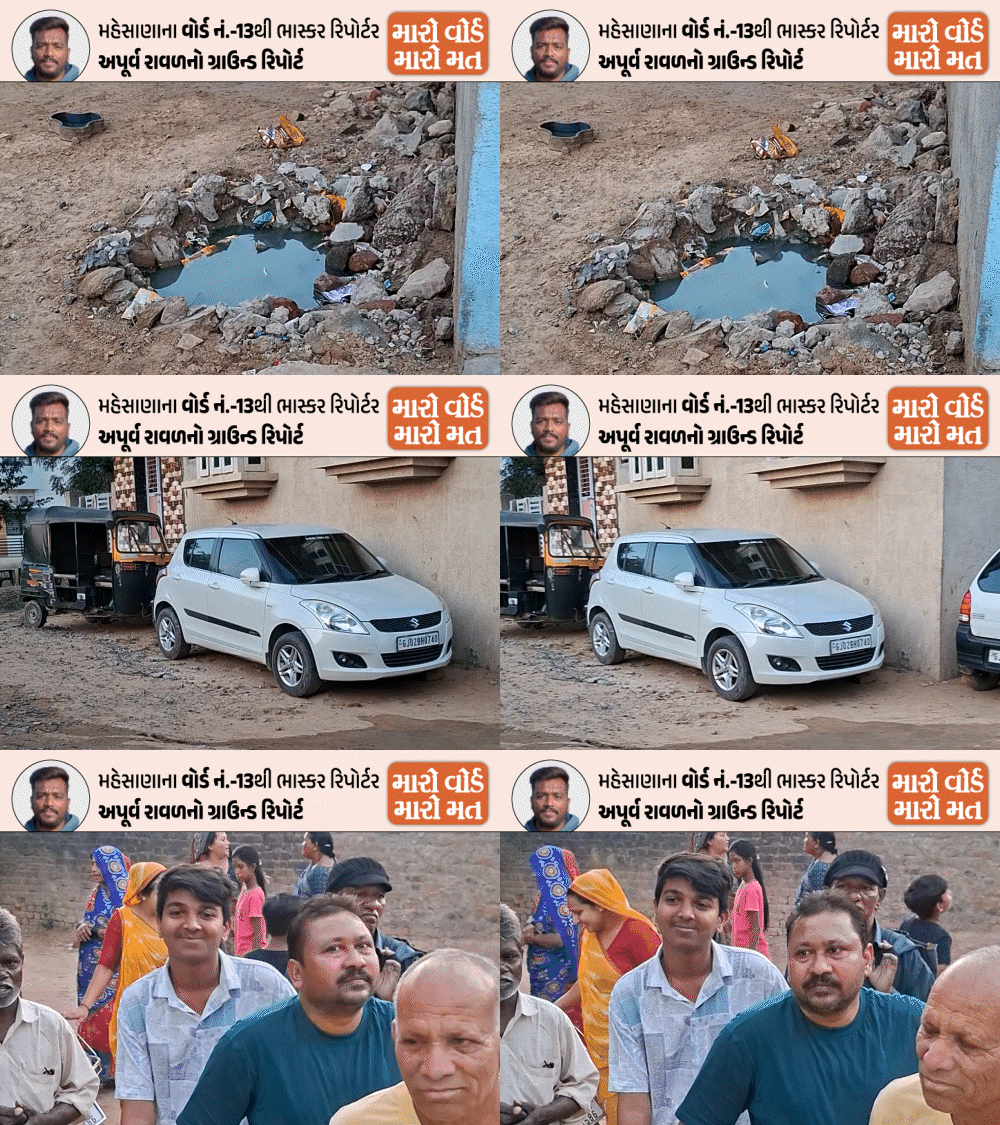
A local news team visited Rishinagar and Rana Vas to see the living conditions of the people. They found that the area lacks a proper drainage system. Instead of modern sewer lines, most houses rely on deep pits called cesspools to collect waste. These pits often overflow, causing dirty water to spill onto the streets and near people's front doors. Residents reported that while nearby luxury housing societies received new drainage pipes, their area was intentionally left out. In Rana Vas, the problems are slightly different but equally serious, involving a lack of streetlights and trouble with stray cattle.
Important Numbers and Facts
The issues in these neighborhoods are not new. Here are some key facts about the situation:
- 40 Years: Many families have lived in Rishinagar for four decades without seeing a paved road or a proper sewer line.
- 110 Houses: There are over 110 homes in Rishinagar where every single family struggles with overflowing waste pits.
- 1,000 Rupees: This is the amount residents must pay to private tankers to empty their waste pits. This is a huge cost for families with low incomes.
- 7,000 to 8,000 Rupees: The average monthly salary of the sanitation workers living in this area. Paying for waste removal takes a large portion of their earnings.
- 2021 Election: Residents say the four leaders elected in 2021 have not visited the area even once since they won.
Background and Context
Mehsana was recently upgraded from a municipality to a Municipal Corporation. This change was supposed to bring more money and better services to the city. However, for the people of Ward 13, nothing has changed. Most of the people living in Rishinagar belong to the Valmiki community. These are the men and women who wake up every morning to clean the streets of Mehsana. It is a painful irony that the people who keep the entire city clean are forced to live in an area filled with filth and bad smells. They feel that the government takes their taxes but gives nothing back in return.
Public or Industry Reaction
The reaction from the local people is one of pure frustration. Narsinh Vaghela, a local resident, told reporters that he feels like living in India has become a "crime" because of how they are treated. He mentioned that they have tried to talk to the authorities many times, but no one listens. Another resident, Tarun Kumar Vaghela, explained that they simply cannot afford to keep paying for private tankers to clean their streets. Women in the area, like Manisha Ben, have stated clearly that they have decided not to vote. They believe that if the government does not care about their health and safety, they should not care about the government's elections.
What This Means Going Forward
If the local authorities do not act quickly, the election boycott will likely move forward. This would be a major embarrassment for the new Municipal Corporation. The residents have made it clear: no work, no vote. In the coming weeks, political candidates will try to visit these areas to ask for support. However, the people are no longer interested in "sweet talk" or empty promises. They want to see actual construction equipment and new pipes being laid in the ground. If the government continues to ignore Ward 13, the anger could spread to other neglected parts of the city, creating a larger movement against the local leadership.
Final Take
The situation in Mehsana’s Ward 13 is a reminder that development is not just about big buildings or new malls. True progress is measured by how a city treats its most essential workers. When the people who clean our streets are forced to live in sewage, it shows a failure of the system. These residents are not asking for luxury; they are asking for basic human dignity like clean water, working lights, and a way to manage waste. Until these basic needs are met, their anger is both understandable and justified.
Frequently Asked Questions
Why are the residents of Ward 13 angry?
They are angry because they have lacked basic services like proper sewer lines, paved roads, and streetlights for over 40 years, despite paying taxes and working as city cleaners.
What is an election boycott?
An election boycott is when a group of people refuses to participate in voting to protest against the government or a specific situation they find unfair.
How much does it cost residents to manage their own sewage?
Since there are no government sewer lines, residents have to pay private tankers about 1,000 rupees each time they need to empty their waste pits, which is very expensive for them.



