Summary
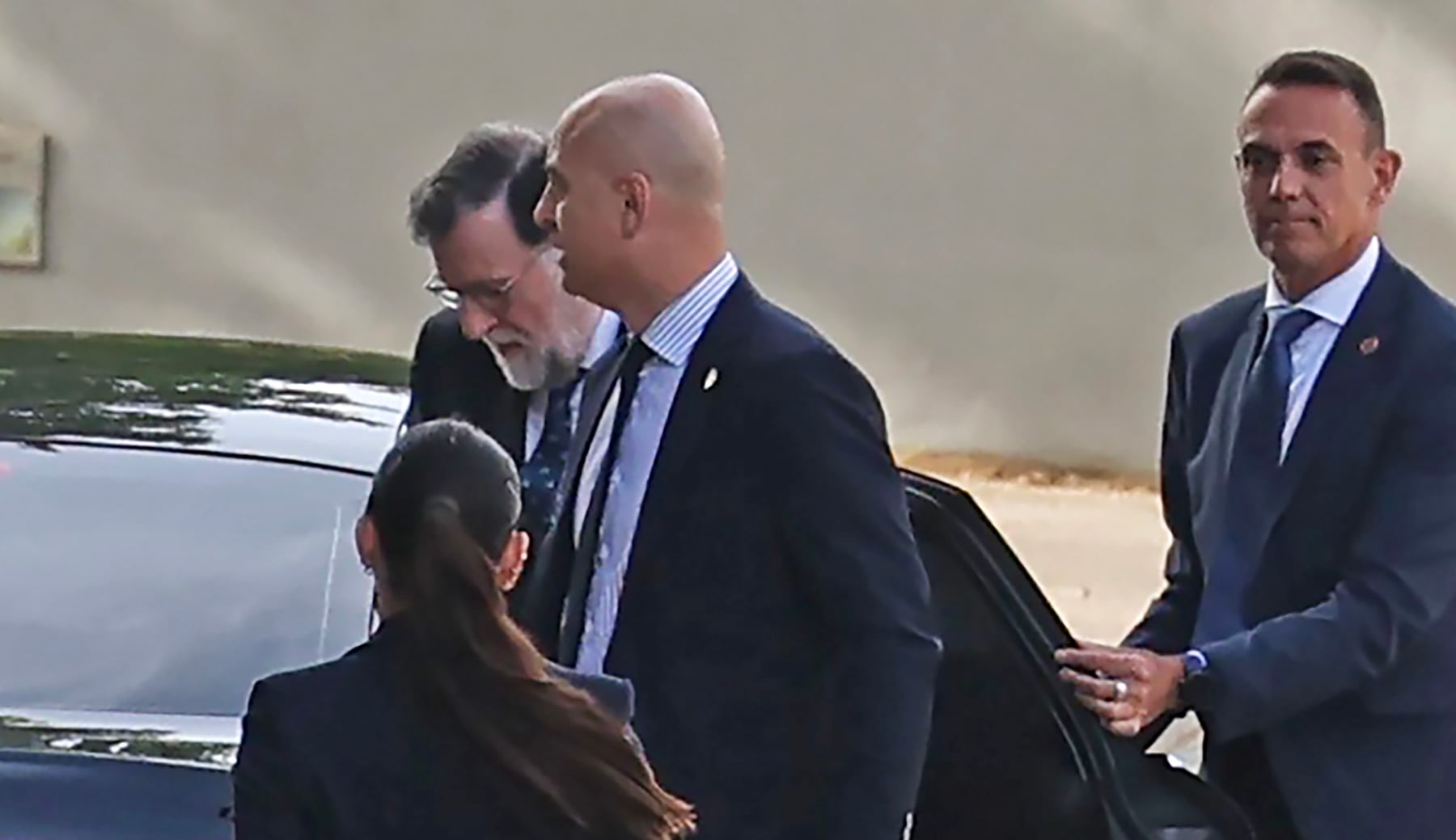
Former Spanish Prime Minister Mariano Rajoy appeared in court on Thursday to testify in a major corruption trial known as the "Kitchen Case." He strongly denied claims that he destroyed secret financial records or received illegal cash payments while leading his political party. This trial is looking into whether the government used police resources to steal damaging documents from a former party official. Rajoy’s testimony is a key part of a long-running legal battle that has affected Spanish politics for years.
Main Impact
The main impact of this testimony is the direct challenge it poses to the claims made by Luis Bárcenas, the former treasurer of the People’s Party (PP). For years, Bárcenas has claimed that the party operated with a secret "B" account, which was filled with unofficial donations from business leaders. By denying these claims in court, Rajoy is attempting to distance himself and his former government from allegations of criminal behavior. This case is important because it examines whether high-ranking officials used the police as a private tool to cover up political scandals.
Key Details
What Happened
During the court session at the Audiencia Nacional, Mariano Rajoy answered questions about his time as the leader of the country and the party. He was asked specifically about a meeting where he allegedly used a paper shredder to destroy evidence of illegal accounting. Rajoy told the judges that this story was completely made up. He also addressed the use of secret code names found in police documents, such as "The Bearded One" or "The Asturian." Rajoy dismissed these names, stating that while people can call him whatever they like, he has never used such titles in a professional or secret capacity.
Important Numbers and Facts
This is the third time Rajoy has had to give evidence in a major trial related to his party's finances. He previously testified in 2017 during the "Gürtel" case and again in 2021 regarding the "Bárcenas papers." In both of those instances, he also denied that a secret fund existed. However, Spanish courts have already ruled in previous cases that the People’s Party did indeed maintain an illegal accounting system for at least two decades. The "Kitchen Case" specifically focuses on events that took place between 2013 and 2015, when Rajoy was the Prime Minister of Spain.
Background and Context
The "Kitchen Case" gets its unusual name from a secret police operation. The goal of this operation was allegedly to spy on Luis Bárcenas and his family. Prosecutors believe that members of the Ministry of the Interior used public money to hire a driver to act as an informant. This driver was supposed to find and steal documents that Bárcenas had hidden. These documents were believed to contain proof of illegal payments to top party leaders. The government at the time was worried that if these papers became public, it would lead to the collapse of the administration. In simple terms, the case is about whether the police were used to protect a political party instead of serving the public.
Public or Industry Reaction
The reaction to Rajoy’s testimony has been split. Supporters of the former Prime Minister believe he is being unfairly targeted by a former employee who is trying to reduce his own prison sentence. They see Rajoy as a leader who brought stability to the country. On the other hand, critics and legal experts point out that the evidence of a secret party fund has already been accepted by judges in other trials. Many people find it hard to believe that the head of the party would be unaware of such a large and long-lasting financial system. The presence of other high-level witnesses, like former Minister Juan Ignacio Zoido and former Secretary General María Dolores de Cospedal, adds to the public interest in the case.
What This Means Going Forward
The trial will continue as the court listens to more witnesses and looks at police records. The judges must decide if there is enough evidence to prove that a criminal plot existed within the government. If the court finds that the police were used illegally, it could lead to long prison sentences for former officials. For the People’s Party, the trial is a painful reminder of past scandals that they have tried to move away from. It also raises questions about how much oversight exists to prevent the police from being used for political purposes in the future. The final verdict will be a major moment for the Spanish justice system.
Final Take
This trial shows the deep tension between political power and the rule of law. While Mariano Rajoy continues to defend his record and deny any wrongdoing, the testimony highlights a dark chapter in Spanish history. The clash between a former Prime Minister and his former treasurer serves as a reminder that transparency in political funding is essential for a healthy democracy. As the court moves toward a decision, the focus remains on whether the truth can finally be separated from years of political secrets.
Frequently Asked Questions
What is the "Kitchen Case" about?
It is a trial about a secret police mission that allegedly tried to steal documents from a former political treasurer to protect a political party from a corruption scandal.
Why did Mariano Rajoy testify?
He testified because he was the Prime Minister and the leader of the People’s Party during the time the alleged illegal activities took place. He was called to explain what he knew about the party's finances.
What is "B" accounting?
In this context, "B" accounting refers to a secret set of financial records for money that was not reported to the government or tax authorities. It usually involves illegal donations and cash payments.