
Summary
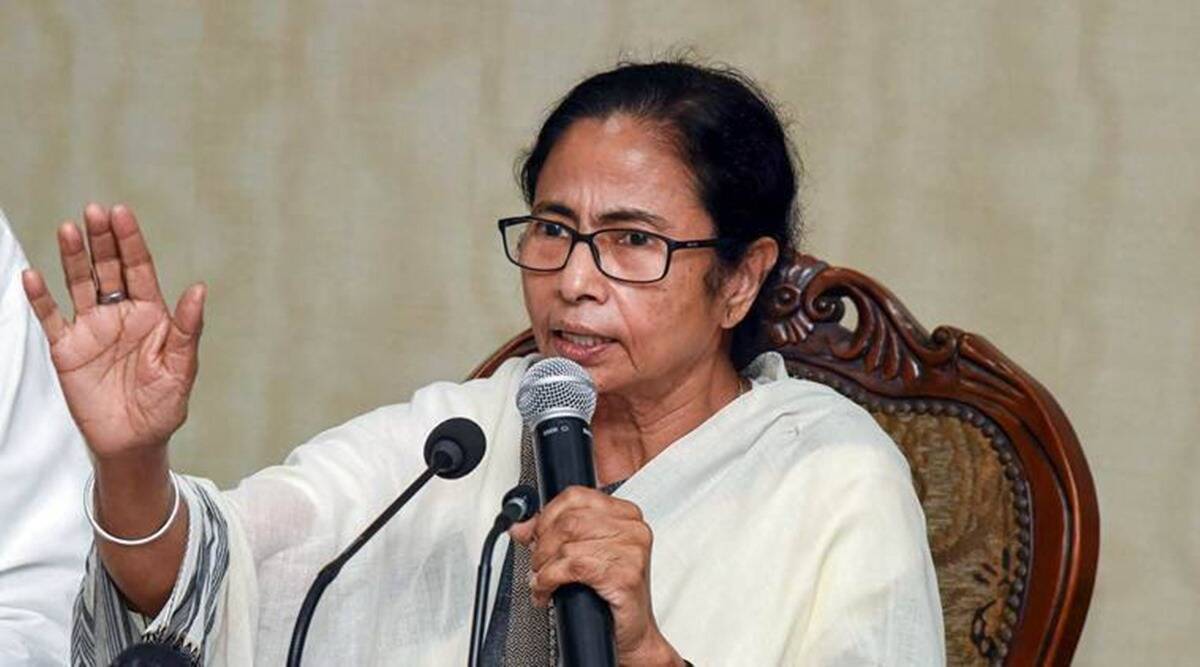
West Bengal Chief Minister Mamata Banerjee has announced a significant increase in the monthly honorariums for religious leaders across the state. This decision affects thousands of imams, muezzins, and Hindu priests who receive financial support from the government. The timing of the announcement is particularly notable, as it came just minutes before the Election Commission was set to announce the dates for the upcoming Assembly polls. By making this move now, the government ensures the pay hike is official before election rules stop new welfare projects from being launched.
Main Impact
The immediate impact of this decision is a direct increase in the monthly income for religious workers who often rely on these stipends. For many, these payments are a vital part of their household budget. Beyond the financial aspect, the move carries heavy political weight. It signals the government’s attempt to maintain strong ties with various religious communities right as the state enters an election cycle. By including both Muslim and Hindu religious leaders in the hike, the administration is trying to show a balanced approach to social welfare.
Key Details
What Happened
During a public gathering, Chief Minister Mamata Banerjee confirmed that the state would increase the monthly allowance given to religious figures. The announcement was made in a hurried manner to ensure it preceded the official start of the Model Code of Conduct. These rules prevent any sitting government from announcing new financial schemes or benefits once election dates are public. This ensures that no party can use state funds to unfairly influence voters during the campaign period.
Important Numbers and Facts
The pay increase follows a specific structure for different groups. Imams, who lead prayers in mosques, will see their monthly honorarium rise by 500 rupees. This takes their total monthly payment from 2,500 rupees to 3,000 rupees. Muezzins, who call the faithful to prayer, will also receive an extra 500 rupees, bringing their monthly total from 1,000 rupees to 1,500 rupees. Similarly, thousands of Hindu priests who are part of the state’s welfare scheme will see their monthly pay increase from 1,000 rupees to 1,500 rupees. This change is expected to benefit over 30,000 imams and muezzins, along with a large number of temple priests across West Bengal.
Background and Context
The practice of providing monthly stipends to religious leaders in West Bengal has a long and debated history. It began several years ago when the government started providing allowances to imams and muezzins. At the time, the move faced legal challenges and criticism from opposition parties who argued it was a form of religious favoritism. To address these concerns and reach a wider group of people, the government later introduced a similar scheme for Hindu priests. This system of payments is part of a broader strategy to provide social security to those who perform community and religious services but may not have a steady or high income from other sources.
Public or Industry Reaction
The reaction to this announcement has been split along political lines. Supporters of the ruling party argue that the increase is a necessary step to help religious workers deal with the rising cost of living. They believe it shows the government's commitment to all communities. However, opposition leaders have been quick to criticize the timing. They claim that raising the pay just minutes before election dates are announced is a clear attempt to buy votes. Critics often refer to this as "appeasement politics," suggesting that the government is using public money to secure the support of influential community leaders who can sway large groups of voters.
What This Means Going Forward
As the state moves into election mode, this decision will likely be a major talking point on the campaign trail. The government will use it to highlight its inclusive welfare policies, while the opposition will likely use it to question the government's motives. Financially, the state will need to set aside more funds in the budget to cover these increased costs every month. For the religious leaders themselves, the extra money will start flowing into their accounts soon, providing a small but steady boost to their financial security during a time of high inflation.
Final Take
The decision to raise honorariums for priests and imams is a classic example of how social welfare and political strategy often meet in India. While the extra money provides real help to thousands of individuals, the timing makes it impossible to ignore the upcoming elections. This move ensures that the current government stays fresh in the minds of religious communities as they prepare to head to the polling booths. It remains to be seen how much this will influence the final election results, but it certainly sets a competitive tone for the weeks ahead.
Frequently Asked Questions
Who is eligible for the pay hike?
The increase applies to imams, muezzins, and Hindu priests who are already registered under the West Bengal government's existing welfare schemes for religious workers.
How much was the pay increased?
Each group received a monthly increase of 500 rupees. Imams now receive 3,000 rupees, while muezzins and Hindu priests now receive 1,500 rupees per month.
Why was the timing of the announcement important?
The announcement was made just before the election dates were set. This allowed the government to bypass the Model Code of Conduct, which forbids new financial promises once the election process officially begins.



