
Summary
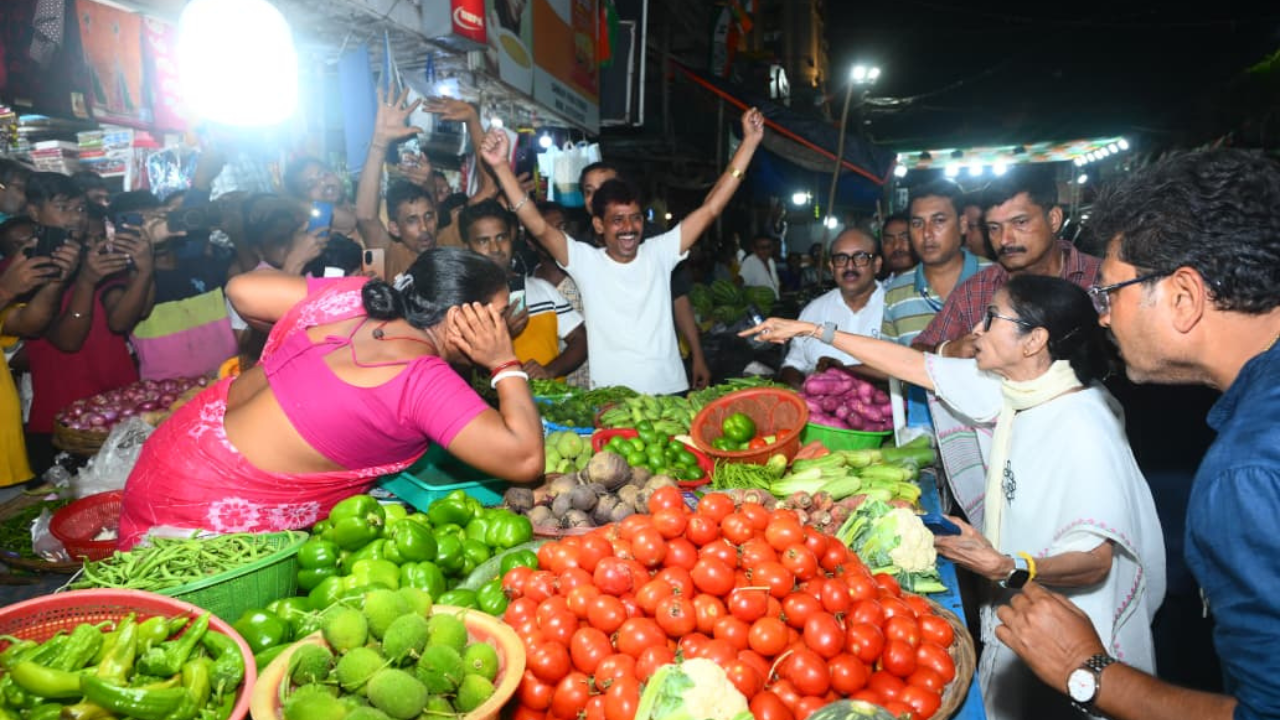
West Bengal Chief Minister Mamata Banerjee recently made an unannounced visit to a local market in Kolkata to speak with vendors and shoppers. This visit happened just before the second phase of the state's important elections. By checking the prices of daily food items and talking to regular people, she aimed to show her focus on the cost of living. This move is seen as a direct response to recent public events held by Prime Minister Narendra Modi in the state.
Main Impact
The main impact of this visit is a shift in the election conversation toward the daily struggles of the common person. While many political campaigns focus on big national themes, Banerjee is bringing the focus back to "pocketbook issues" like the price of vegetables and fish. This strategy helps her connect with middle-class and lower-income voters who are worried about rising costs. It also serves as a challenge to the central government's economic policies by highlighting how much people are paying for basic needs.
Key Details
What Happened
During her time at the market, the Chief Minister walked from stall to stall, asking about the supply and cost of essential goods. She spent time talking to vegetable sellers about the price of potatoes and onions, which are staples in every household. She also visited fishmongers to understand how transport costs and weather have affected their business. Throughout the walk, she shook hands with shoppers and listened to their complaints about how hard it has become to manage a monthly budget. She used the opportunity to tell the public that her state government is doing everything possible to keep prices under control.
Important Numbers and Facts
The timing of this visit is very important because West Bengal is currently in the middle of a multi-phase election. The state has 42 seats in the national parliament, making it a major prize for any political party. In the second phase of voting, several key districts in the northern part of the state are going to the polls. Recent data shows that food inflation has been a concern for many families, with some essential items seeing price increases of over 10% in the last year. By visiting the market now, Banerjee is trying to turn these numbers into a winning political message.
Background and Context
In West Bengal, politics often happens on the streets rather than just in offices. Both the Trinamool Congress (TMC) and the Bharatiya Janata Party (BJP) are fighting to prove they are the true friends of the Bengali people. Recently, Prime Minister Modi was seen enjoying "jhalmuri," a very popular local snack made of puffed rice, during his campaign trail. This was a way to show he respects and enjoys local culture. Mamata Banerjee’s market visit is her way of saying that while snacks are fine, the real issue is the cost of the ingredients that go into those snacks. She wants to remind voters that she is a local leader who understands the local economy better than anyone from outside the state.
Public or Industry Reaction
The reaction to the visit has been divided along political lines. Many shoppers at the market were happy to see the Chief Minister and felt that her presence might force officials to look into price gouging. Some vendors said they appreciated the attention because it highlights the high costs they face when buying goods from wholesalers. However, leaders from the opposition party claimed the visit was just for the cameras. They argued that if the state government were truly worried about prices, they would have taken action months ago. They also pointed out that the state has its own taxes and fees that contribute to the final price of goods in the market.
What This Means Going Forward
As the election moves into its next stages, we can expect to see more of these personal interactions. The battle for votes in West Bengal will likely focus on who can best represent the "common man." If food prices stay high, it will remain a powerful tool for the opposition to use against the government. At the same time, Banerjee will likely continue to use her "daughter of the soil" image to fight back. The next few weeks will show if this focus on local markets and daily costs can actually change the way people vote. Both parties will be watching the turnout in the upcoming phases very closely to see which message is working better.
Final Take
The fight for West Bengal is becoming a contest of who can stay closest to the ground. By stepping into a local market, Mamata Banerjee has signaled that she wants this election to be about the price of a meal rather than just big political promises. It is a classic move that puts the focus back on the people's daily lives.
Frequently Asked Questions
Why did Mamata Banerjee visit a local market?
She visited the market to talk to people about the rising cost of food and to show that she is concerned about the daily expenses of regular citizens ahead of the elections.
What was the "jhalmuri" break mentioned in the news?
It refers to a recent moment where Prime Minister Modi ate a popular Bengali snack in public. Banerjee’s market visit is seen as a way to counter that cultural outreach with a focus on economic reality.
How many phases are there in the West Bengal elections?
The elections in West Bengal are held in several phases over many weeks to ensure safety and order across the state's many voting districts.



