
Summary
West Bengal Chief Minister Mamata Banerjee has officially filed her nomination papers for the Bhabanipur assembly seat. This move is a vital step for her to keep her position as the head of the state government. During the filing process, she raised a major concern regarding the removal of names from the voter lists. She stated that she is prepared to take this issue to court to ensure that every eligible person is allowed to vote. This election is seen as a key moment for her political future following the recent state elections.
Main Impact
The decision to contest from Bhabanipur is not just a routine election move. It is a legal necessity for Mamata Banerjee to remain the Chief Minister. Under Indian law, a minister who is not a member of the state assembly must win a seat within six months of taking office. Her focus on "voter deletion" adds a new level of tension to the race. By threatening legal action, she is putting pressure on the Election Commission to ensure the voting process is fair and transparent. This could lead to a closer look at how voter lists are managed across the entire state.
Key Details
What Happened
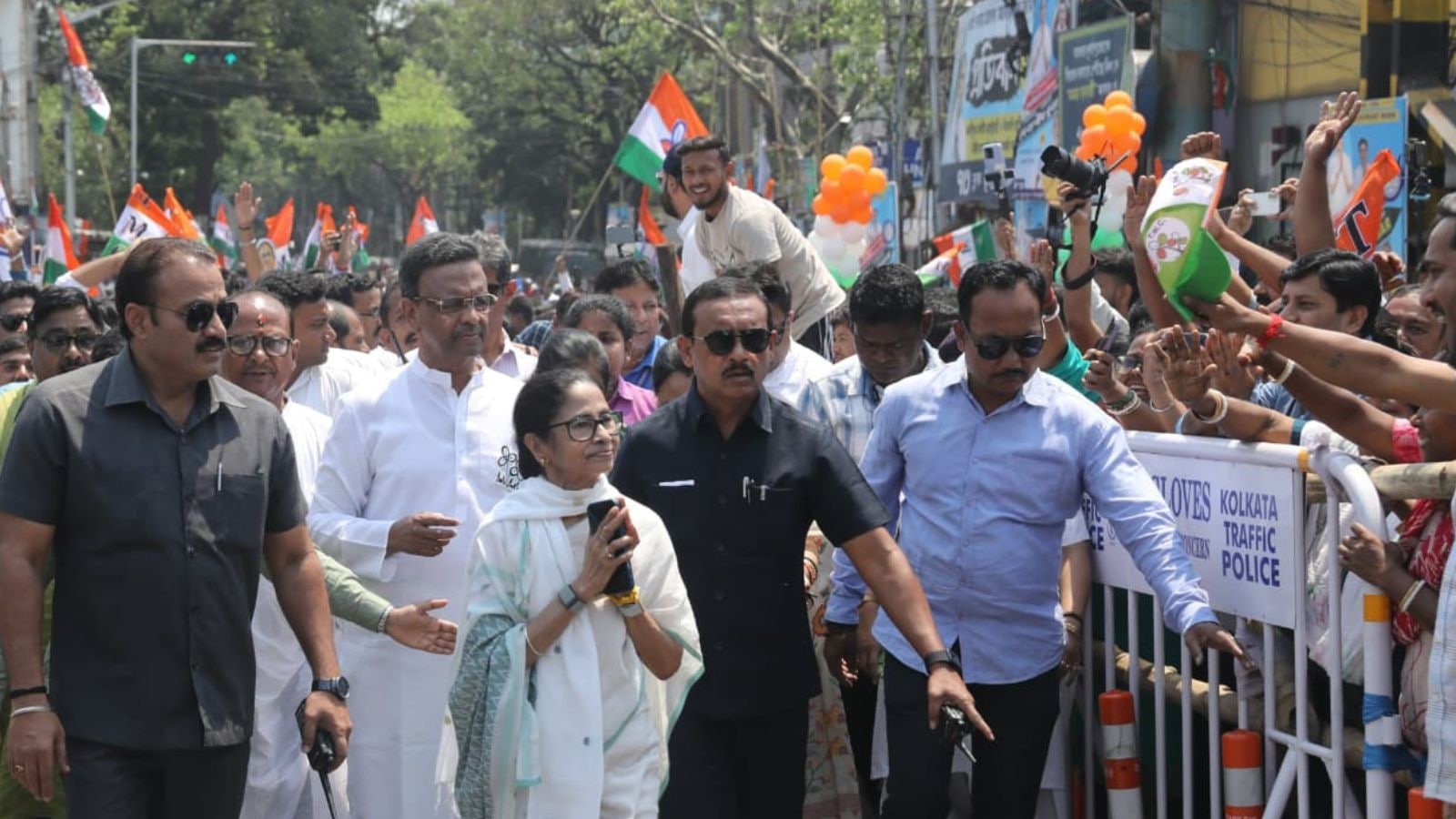
Mamata Banerjee arrived at the Alipore Survey Building to submit her official documents. She was joined by a small group of supporters and party leaders. After completing the paperwork, she spoke to reporters about her worries. She claimed that many people who have lived in the area for a long time found their names missing from the official records. She called this a serious problem for democracy and promised to fight for those who have been left out. The atmosphere was serious as she emphasized that she would not let this issue go unnoticed.
Important Numbers and Facts
The Bhabanipur seat became available after Sobhandeb Chattopadhyay, a member of Banerjee's party, resigned from the position. This was done specifically to allow the Chief Minister to run for the seat. In the previous general election, Banerjee's party won a large majority in the state, but she personally lost her seat in the Nandigram area by a very small number of votes. Now, she must win this by-election to satisfy the constitutional requirement. The voting is expected to take place soon, and the results will decide if she can continue her current term without any legal hurdles.
Background and Context
To understand why this matters, one must look at the rules for leaders in India. When a person is chosen as Chief Minister, they usually belong to the state assembly. If they are not a member, they have exactly 180 days to get elected by the people. Mamata Banerjee took her oath of office earlier this year, so her time is running out. Bhabanipur is her old home ground, and she has won from there before. Returning to this area is seen as a safe and logical choice for her. However, the loss in Nandigram has made her team more cautious about every detail, including the accuracy of the voter lists.
Public or Industry Reaction
The reaction to her nomination has been mixed. Her supporters in the Trinamool Congress (TMC) are confident and have already started organizing small local meetings. They believe she will win by a large margin. On the other hand, opposition parties like the Bharatiya Janata Party (BJP) have questioned her claims about voter deletion. They suggest that she is raising these issues early because she is worried about the outcome. Some local residents have expressed confusion over the voter lists, with a few confirming that they had trouble finding their names during recent checks. This has created a sense of urgency among local election officials to clarify the situation.
What This Means Going Forward
In the coming weeks, the campaign in Bhabanipur will likely become very intense. Banerjee is expected to focus on local issues while also talking about her work for the whole state. The legal threat regarding the voter lists means that lawyers from both sides will be watching the polling booths very closely. If the names are not restored, there could be a court case that lasts long after the election is over. This could potentially delay the final confirmation of the results or lead to calls for a re-vote in certain areas. For now, the focus remains on the ground as candidates try to reach as many voters as possible.
Final Take
Mamata Banerjee is taking a firm stand to protect her leadership and the rights of her voters. By filing her nomination and highlighting the problems with the voter lists, she is setting the stage for a high-stakes battle. The outcome of the Bhabanipur by-election will not only decide her future as Chief Minister but will also test the strength of the electoral system in West Bengal. It is a race where every single name on the list could make a difference.
Frequently Asked Questions
Why does Mamata Banerjee need to win this election?
She needs to win because she lost her previous seat in Nandigram. To stay as Chief Minister, the law says she must become an elected member of the state assembly within six months of starting her job.
What is the "voter deletion" issue?
It refers to claims that the names of eligible voters have been removed from the official lists used for voting. If a name is not on the list, that person cannot cast their vote on election day.
What happens if she loses the Bhabanipur seat?
If she does not win a seat within the six-month window, she would legally have to resign from her position as Chief Minister. This would lead to the party having to choose a new leader for the state.



