
Summary
Mamata Banerjee, the Chief Minister of West Bengal, is preparing for one of the most important political battles of her career. As the 2026 state elections approach, her personal brand, known as "Didi," is being put to a major test. She is trying to balance her popular social welfare programs with the need to answer tough questions about corruption and party management. This election will determine if her image as a protector of the people can still overcome a strong challenge from the national opposition.
Main Impact
The upcoming election in West Bengal is not just about who sits in the Chief Minister's office. It is a test of a specific way of governing that focuses on direct help to the poor and local identity. If Mamata Banerjee wins, it will prove that her "maternalist" model—where the leader acts like a family head—is still the strongest force in the state. However, if she loses ground, it could mean a massive change in how politics works in Eastern India, giving the BJP a much larger role in the region.
Key Details
What Happened
Mamata Banerjee has spent years building a connection with the people of West Bengal. She is often seen as a "street fighter" who rose from a humble background to defeat the powerful Communist parties that ruled for decades. Today, she uses that same energy to fight against the BJP, which she describes as a party of "outsiders" who do not understand Bengali culture. She relies heavily on her personal appeal, asking voters to trust "Didi" (which means elder sister) rather than just the party name.
On the other side, the opposition is focusing on the problems within her government. They point to cases of money being taken for government jobs and issues with local leaders. This has created a situation where the Chief Minister must defend her record while also trying to keep her supporters excited about the future.
Important Numbers and Facts
The West Bengal Legislative Assembly has a total of 294 seats. To form a government, a party needs to win at least 148 of them. In the last major election, Mamata Banerjee’s party, the Trinamool Congress (TMC), won a very large majority. However, the BJP has seen its support grow significantly over the last ten years, moving from a small player to the main challenger.
A huge part of Mamata's support comes from women. Schemes like "Lakshmir Bhandar" provide monthly cash payments to millions of women across the state. These programs are very popular in rural areas and have helped her stay in power even when other issues arise. The government has also held "Duare Sarkar" camps, which bring government services directly to people's doorsteps, making it easier for citizens to get help without traveling to big offices.
Background and Context
To understand why this election matters, it is important to look at Mamata Banerjee’s history. She became famous for leading protests in places like Singur and Nandigram, where she fought for the rights of farmers. In 2011, she made history by ending 34 years of Left Front rule. Since then, she has been the face of West Bengal politics.
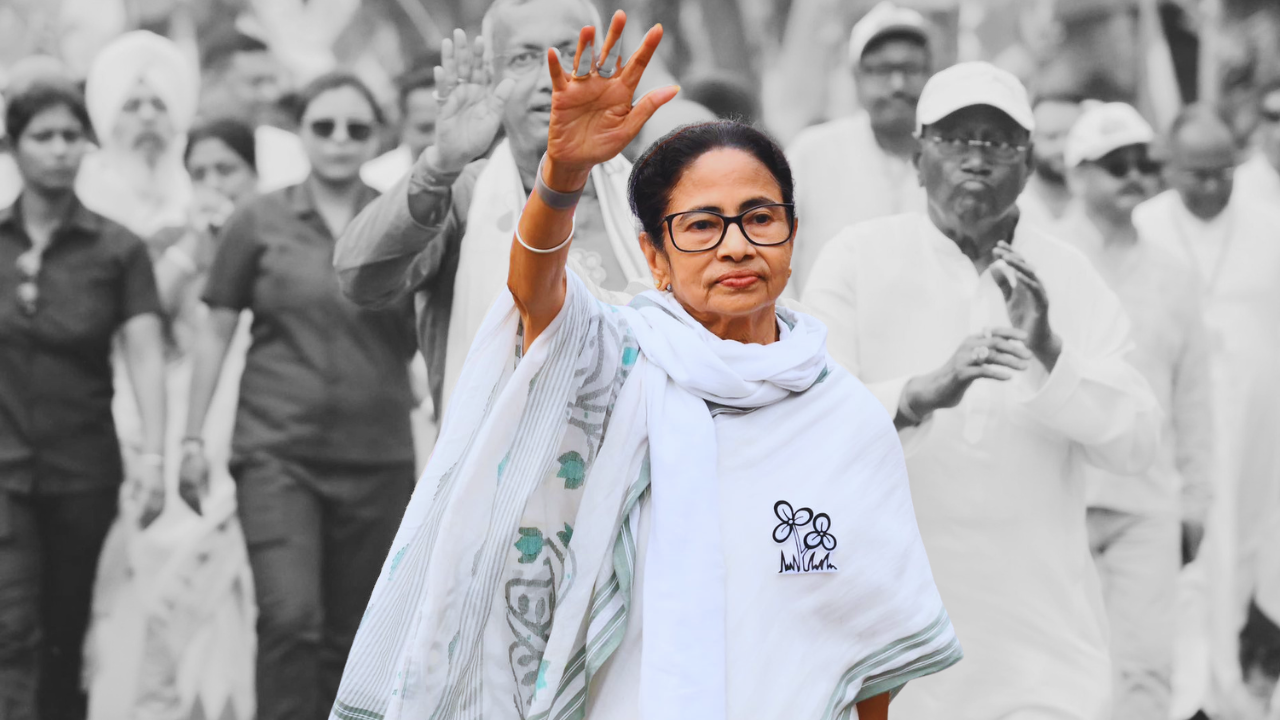
Her style of politics is very personal. She often walks in long rallies, wears simple clothes, and speaks directly to the common people. This has created a very loyal group of followers. But after more than a decade in power, any government faces "voter fatigue." This means some people might want a change simply because they have seen the same leadership for a long time. The BJP is trying to use this feeling to their advantage by promising a "New Bengal."
Public or Industry Reaction
The reaction from the public is mixed. In many villages, people are very happy with the direct cash they receive and the improvements in local roads and electricity. They see Mamata as a leader who cares about their daily struggles. They often say that "Didi" is the only one who stands up for them against the central government in Delhi.
However, in the cities and among younger voters, there is more talk about the need for big industries and better-paying jobs. Some people are also worried about reports of corruption at the local level. They feel that while the welfare schemes are good, the state needs more long-term economic growth. The opposition uses these concerns to argue that the current government is focused more on winning votes than on building a modern economy.
What This Means Going Forward
The next few months will be filled with intense campaigning. Mamata Banerjee will likely focus on "Bengali pride" and the success of her welfare programs. She will try to show that she is the only one who can protect the state's unique culture. The BJP will likely focus on national security, development, and cleaning up the government.
The result will show if the "Didi" brand is still strong enough to carry her party through difficult times. It will also show if the voters are ready to move away from a leader they have known for years in favor of a different political vision. This election will be a major indicator of the political mood in India leading up to future national contests.
Final Take
Mamata Banerjee has proven many times that she is a tough politician who knows how to win. Her connection with the people is her greatest strength. While corruption claims and the push from the BJP are serious challenges, her focus on the poor and her image as a family figure remain very powerful. The 2026 election will be the ultimate test of whether a personal bond between a leader and the people can survive the pressure of a changing political world.
Frequently Asked Questions
What does the name "Didi" mean?
"Didi" means "elder sister" in Bengali. It is the name most people in West Bengal use to refer to Mamata Banerjee, showing a sense of family and respect.
What are the main welfare schemes in West Bengal?
The most famous scheme is "Lakshmir Bhandar," which gives monthly cash to women. Other programs include "Kanyashree" for schoolgirls and "Duare Sarkar," which brings government help to people's homes.
Who is the main opponent for Mamata Banerjee?
The Bharatiya Janata Party (BJP) is currently the main opposition party in West Bengal and is the biggest challenger to Mamata Banerjee's Trinamool Congress.



