
Summary
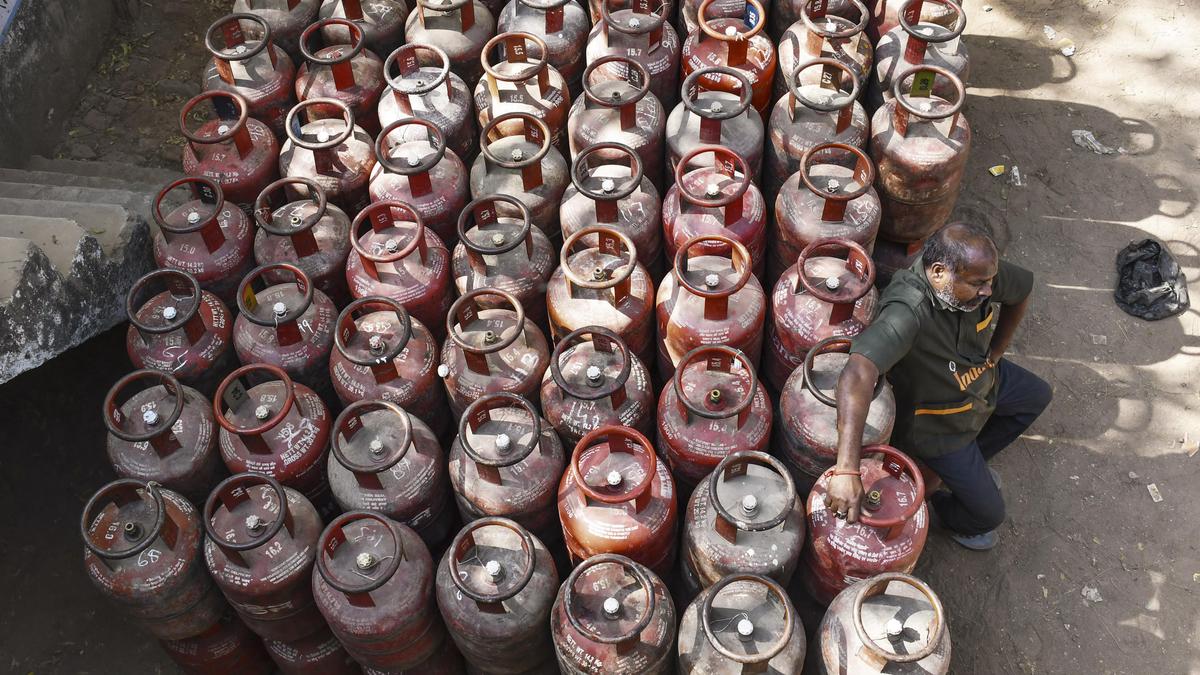
The Malayalam film industry is currently facing a significant challenge due to a sudden shortage of Liquefied Petroleum Gas (LPG). This crisis is affecting nearly 18 film productions that are currently being filmed across Kerala. The Kerala Film Producers’ Association has issued a warning that the industry could face a total loss of ₹5 crore if the supply issues are not resolved quickly. This situation highlights how even basic utility problems can disrupt large-scale creative projects and financial stability.
Main Impact
The primary impact of this LPG shortage is the disruption of daily shooting schedules. In the film industry, time is money, and any delay leads to rising costs. Most film sets in Kerala operate with large crews that require on-site catering. Without a steady supply of cooking gas, providing meals for hundreds of workers becomes nearly impossible. This has forced some production units to slow down or consider pausing their work entirely, leading to a massive financial burden on producers who have already invested heavily in these projects.
Key Details
What Happened
The crisis began when production units started reporting difficulties in procuring commercial LPG cylinders. In Kerala, film shoots often take place in remote locations where local restaurants cannot support the needs of a full movie crew. To solve this, production houses use mobile kitchen units that rely on LPG to cook breakfast, lunch, and dinner for the cast and crew. As the supply of these cylinders tightened, these kitchens could no longer function, bringing work to a standstill in several locations.
Important Numbers and Facts
The scale of the problem is quite large when looking at the data provided by industry leaders. Currently, there are 18 films in various stages of active production. The Kerala Film Producers’ Association (KFPA) has calculated that the industry stands to lose approximately ₹5 crore if the crisis continues for a few more days. A typical film set in the Malayalam industry employs between 100 and 300 people daily. The cost of maintaining these workers, along with equipment rentals and location fees, makes every hour of delay extremely expensive.
Background and Context
The Malayalam film industry, often called Mollywood, is known for its efficiency and high-quality storytelling on modest budgets. Unlike larger industries that might have massive buffers, Malayalam films often work on tight schedules where every day is planned out months in advance. The reliance on on-site catering is a standard practice because it keeps the crew together and ensures that work continues without long breaks for meals. When the supply chain for a basic necessity like LPG breaks down, it creates a domino effect that touches every part of the production process, from the actors to the daily wage workers.
Public or Industry Reaction
The Kerala Film Producers’ Association has been vocal about the need for immediate intervention. They have expressed deep concern over the financial health of smaller producers who may not have the cash reserves to survive long delays. Many industry members are calling on the state government and gas distribution companies to prioritize film production units as essential commercial activities. There is a general feeling of frustration among the crew members as well, as their daily earnings depend on the smooth running of these shoots.
What This Means Going Forward
If the LPG supply does not return to normal soon, the industry may see a wave of postponed releases. When filming is delayed, it affects the availability of actors who have commitments to other projects, leading to further scheduling conflicts. Producers may also have to look for alternative cooking methods, such as electric induction or traditional wood stoves, though these are often not practical for large-scale catering in remote areas. In the long term, this crisis might push production houses to keep larger reserves of essential supplies or seek more stable energy alternatives to avoid such risks in the future.
Final Take
This situation serves as a reminder that the glamour of the movie business rests on a foundation of very practical logistics. While audiences focus on the stars and the stories, the ability to feed a crew is just as important as the camera or the script. The Malayalam film industry is resilient, but a ₹5 crore loss is a heavy blow that could take months to recover from. Quick action from suppliers and the government is needed to ensure that the cameras keep rolling and the workers keep earning.
Frequently Asked Questions
Why is LPG so important for film production?
Film sets use LPG to power mobile kitchens that feed hundreds of crew members. Since many shoots happen in remote areas, these kitchens are the only way to provide regular meals to the staff.
How many films are currently affected by this crisis?
According to the Kerala Film Producers’ Association, there are approximately 18 films currently in production that are feeling the impact of the gas shortage.
What is the estimated financial loss for the industry?
The industry is expected to lose about ₹5 crore if the LPG supply issues are not fixed immediately. This includes costs for wasted time, equipment rentals, and crew wages.



