
Summary
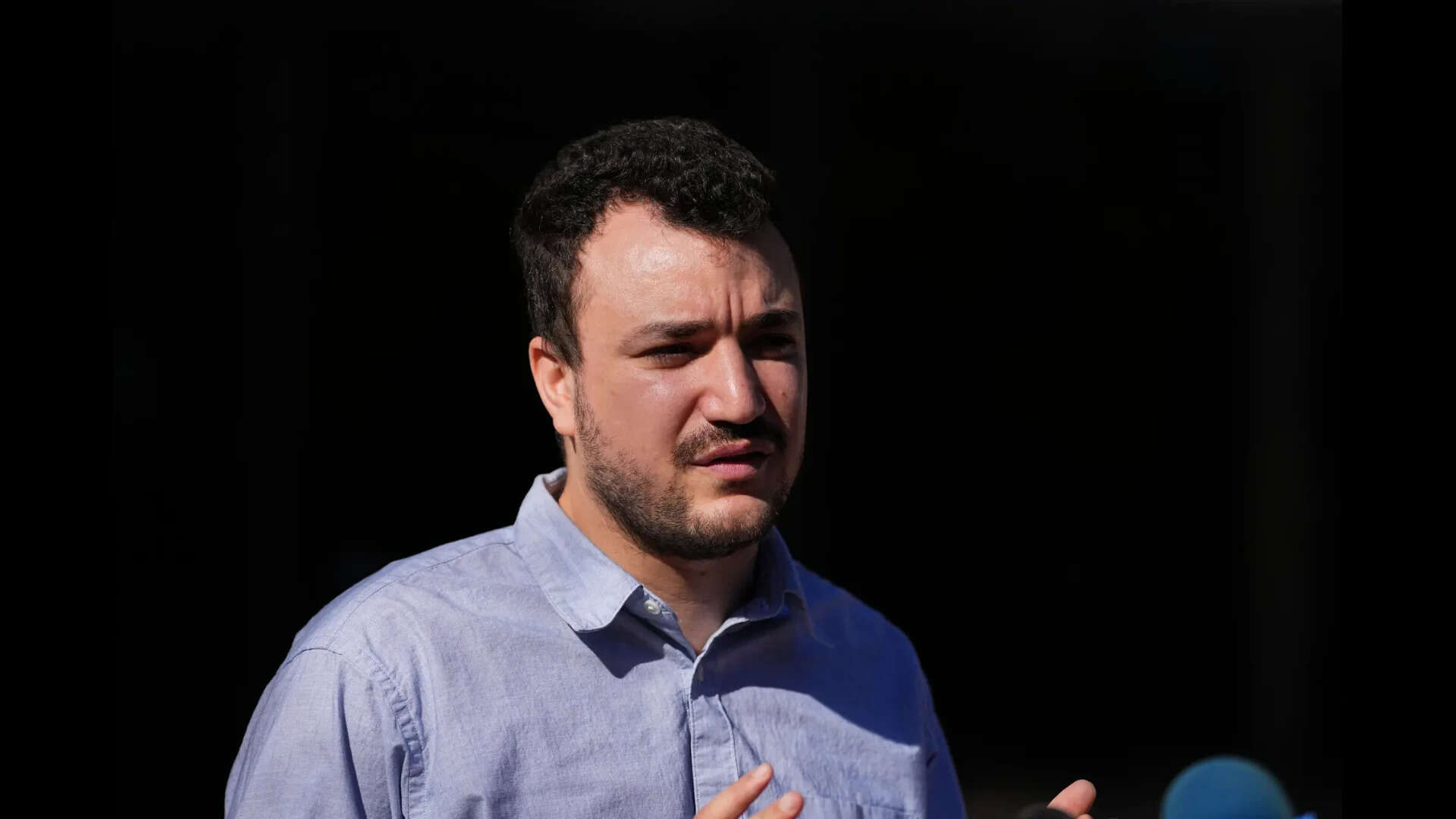
Mahmoud Khalil, a prominent student leader and negotiator at Columbia University, has lost a major legal battle regarding his deportation from the United States. A federal court recently ruled against his efforts to stay in the country, moving him closer to being forced to leave. Khalil, who has been a central figure in campus protests, stated that the decision did not come as a shock to him. This case has drawn significant attention because it involves the intersection of immigration law, student activism, and free speech.
Main Impact
The ruling against Mahmoud Khalil has immediate consequences for his life and education, but its impact reaches much further. It sends a strong message to international students across the United States about the risks of high-profile political activism. For Khalil, the decision means his legal options to remain in the country are quickly disappearing. For the wider academic community, it raises serious questions about whether international students have the same rights to protest as American citizens without fearing for their legal status.
Key Details
What Happened
Mahmoud Khalil is a graduate student at Columbia University’s School of International and Public Affairs. During the spring of 2024, he became a well-known face as a lead negotiator for the "Gaza Solidarity Encampment." While he was involved in these discussions with university leaders, his visa status came under scrutiny. The U.S. government moved to revoke his visa, leading to a legal fight to prevent his deportation. The recent court decision upheld the government's right to move forward with his removal, effectively ending his current legal attempt to block the process.
Important Numbers and Facts
Khalil is a Palestinian student who has lived in the United States under a student visa. The legal dispute centered on the government's power to cancel visas based on "national security" or other administrative reasons. While the specific evidence used against him is often kept private in such cases, the timing of the visa revocation aligned closely with his leadership role in the campus protests. There are thousands of international students in the U.S. on similar visas, and this ruling highlights how easily those visas can be taken away by federal authorities.
Background and Context
To understand why this case is so important, one must look at the events at Columbia University over the past year. The campus was the site of intense protests regarding the conflict in Gaza. Students set up tents and demanded that the university stop investing money in companies linked to Israel. Mahmoud Khalil was not just a protester; he was a spokesperson and a key person who sat at the table to talk with university officials. Because he was an international student, his presence in the U.S. depended on his visa. In the U.S., the government has broad power to cancel visas for non-citizens, and they do not always have to provide a detailed public explanation for doing so.
Public or Industry Reaction
The reaction to the court's decision has been divided. Supporters of Khalil argue that the government is using deportation as a way to punish him for his political views. They believe this is a "scare tactic" meant to stop other international students from speaking out on sensitive issues. Civil rights groups have expressed concern that this sets a dangerous precedent. On the other side, some government officials and critics of the protests argue that visa holders must follow strict rules. They believe that if a student’s presence is deemed a risk or if they violate the terms of their stay, the government has every right to ask them to leave. Khalil himself told reporters that he expected this outcome, suggesting he believes the system is biased against activists like him.
What This Means Going Forward
The next steps for Mahmoud Khalil are difficult. He may try to file further appeals, but his chances of success in court are now very low. If he is forced to leave, he will likely have to return to a region currently experiencing extreme instability. This case will likely lead to more debates in Congress and in the courts about the rights of visa holders. Universities may also face pressure to do more to protect their international students, or they may become more cautious about allowing students to take on leadership roles in controversial protests. For now, the ruling stands as a reminder that immigration status is a fragile thing that can be affected by political actions.
Final Take
The legal loss for Mahmoud Khalil is a turning point in the ongoing tension between national security and the right to protest. It shows that for international students, the cost of activism can be much higher than it is for their American peers. While the government maintains it is simply following immigration law, the timing and high-profile nature of this case ensure it will be remembered as a significant moment in the history of student movements and immigration policy.
Frequently Asked Questions
Why was Mahmoud Khalil's visa revoked?
The government revoked his visa following his involvement as a lead negotiator in the Gaza solidarity protests at Columbia University. While specific details are often private, such actions are usually based on administrative or security grounds.
Can Khalil appeal this decision?
While there may be some limited legal paths left, losing this specific case makes it much harder for him to stay. Most immigration experts believe his options for remaining in the U.S. are now very limited.
What does this mean for other international students?
This case serves as a warning that international students on visas can face deportation if their political activities are seen as a problem by the government. It highlights that visa holders do not have the same legal protections as U.S. citizens when it comes to certain types of activism.

