
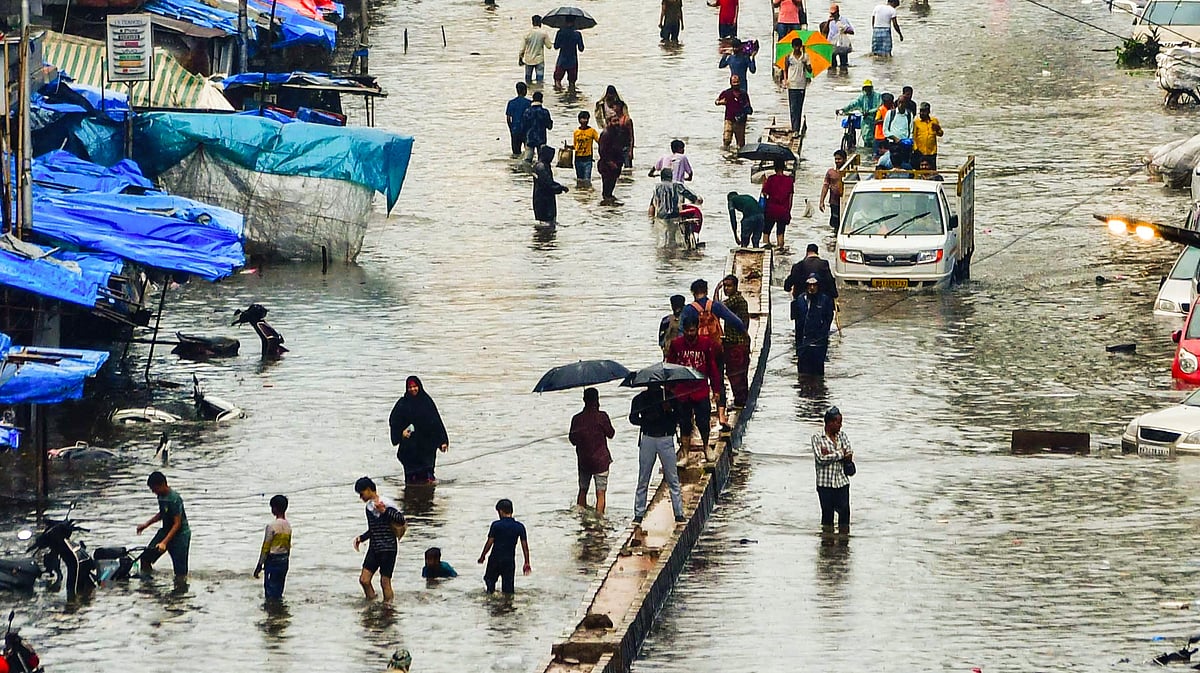
Summary
The India Meteorological Department (IMD) has issued a weather warning for several parts of Maharashtra. From April 20 to April 22, the state is expected to see thunderstorms and light to moderate rainfall. These weather changes are particularly important for the farming community, as sudden rain can damage crops that are ready for harvest. Authorities are asking everyone in the affected areas to stay alert and take steps to protect their property and produce.
Main Impact
The biggest impact of this weather shift will be felt in the agricultural sector. April is a busy time for farmers in Maharashtra, and unseasonal rain can lead to heavy financial losses. The combination of lightning, strong winds, and falling ice, known as hail, poses a threat to both standing crops and those already harvested. Beyond farming, the gusty winds could cause minor damage to weak structures, trees, and power lines in rural and semi-urban areas.
Key Details
What Happened
Weather experts have tracked a change in the atmosphere that will bring moisture and clouds over Maharashtra. Starting around April 19, the weather will begin to turn cloudy in the hilly areas known as the Ghats. By April 20, the storm activity will spread to more regions. These storms usually happen in the afternoon or evening when the heat of the day builds up and meets moist air. This creates tall clouds that lead to sudden, heavy bursts of rain and wind.
Important Numbers and Facts
The most intense weather is expected on April 20 and April 21. During these two days, the rain will cover a larger area and become stronger. The regions most likely to see these storms include Pune, Chhatrapati Sambhajinagar, and Amravati. The IMD expects the weather to start clearing up by April 22 as the storm system moves away or loses its strength. While the rain is described as "light to moderate," the real danger comes from the "gusty winds," which are sudden, strong blows of air that can knock things over.
Background and Context
In India, the main rainy season, or monsoon, usually starts in June. However, the months of April and May often see what experts call "pre-monsoon" activity. During this time, the land gets very hot. This heat causes air to rise quickly, creating thunderstorms. While these rains can provide a short break from the summer heat, they are often unpredictable. For farmers, this timing is difficult because many crops are being cut and dried in the fields. If these crops get wet, they can rot or lose their value in the market. This is why the government monitors these patterns so closely and sends out warnings to the public.
Public or Industry Reaction
The state agriculture department has reacted quickly to the IMD forecast. They have sent out messages to village leaders and farmer groups across the state. The reaction from the farming community has been one of caution. Many are working faster to finish their harvests before the rain arrives. Local officials are also reminding people to stay indoors during lightning. In the past, similar unseasonal rains have caused a lot of stress for families who depend on selling their fruits and grains, so there is a high level of concern regarding this upcoming weather event.
What This Means Going Forward
As the dates approach, people in Maharashtra should keep a close eye on local weather reports. Farmers are advised to move their harvested grains and vegetables to dry, covered places like sheds or warehouses. If they cannot move the produce, they should use large plastic sheets to cover it tightly. It is also important to avoid standing under tall trees or near metal poles during the storms, as these can attract lightning. After April 22, the weather is expected to return to the usual summer heat, but the risk of more pre-monsoon storms will remain until the official monsoon arrives in June.
Final Take
While rain might seem like a good thing during a hot summer, these sudden thunderstorms can cause more harm than good for the rural economy. Being prepared is the best way to handle the situation. By following the advice of the weather department and moving quickly to protect harvests, the people of Maharashtra can reduce the damage caused by these spring storms. Staying informed and acting early is the most effective way to stay safe and protect livelihoods.
Frequently Asked Questions
Which dates will have the worst weather?
The most intense rain and storm activity are expected to happen on April 20 and April 21, though some areas may see changes starting on April 19.
What should farmers do to protect their crops?
Farmers should move their harvested crops to safe, indoor locations. If that is not possible, they should cover the produce with waterproof materials to keep it dry and safe from the wind.
Is hail expected during these storms?
Yes, the weather department has warned that some isolated areas might experience hailstorms, which involve small pieces of ice falling along with the rain.

