
Summary
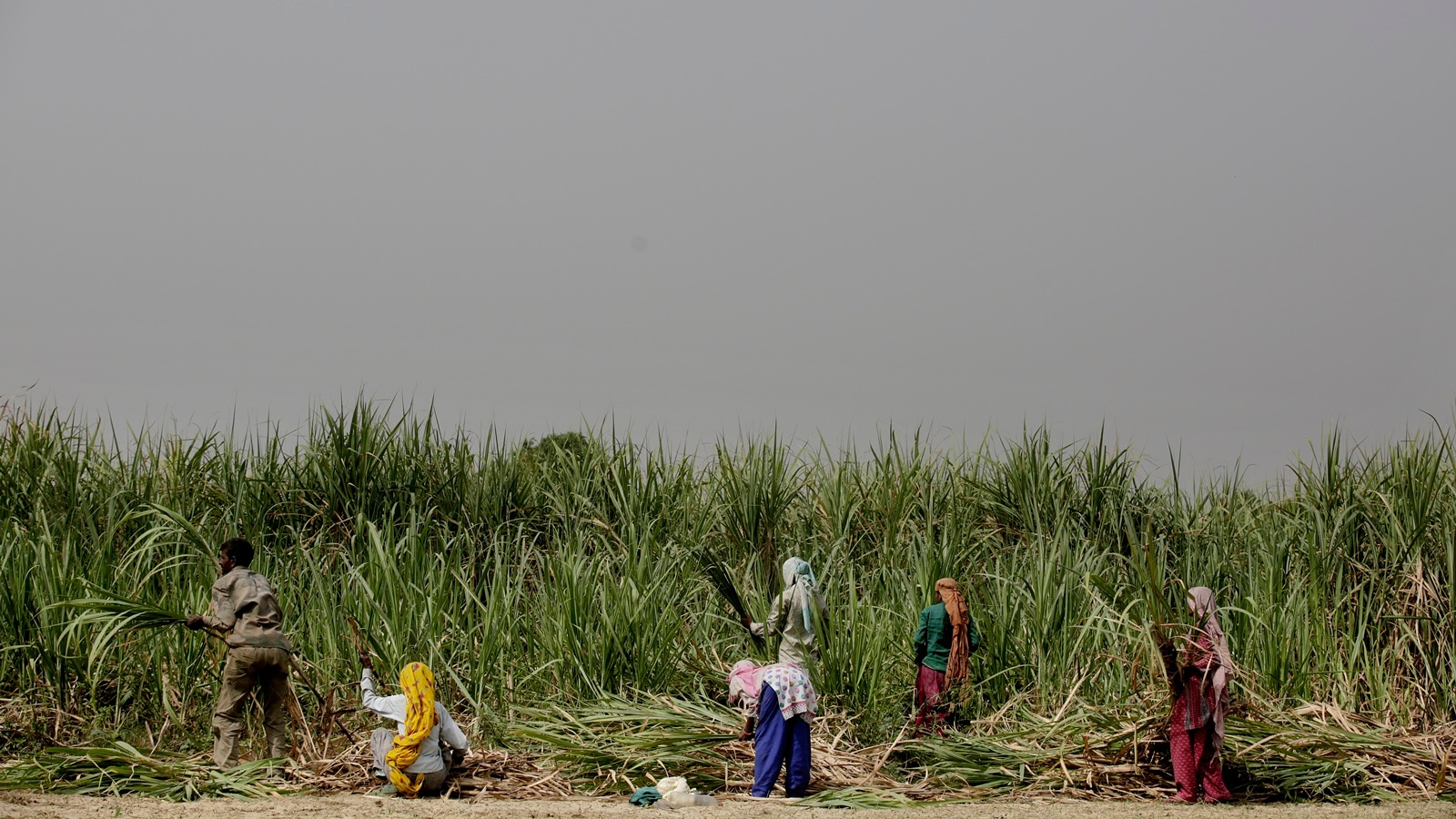
Maharashtra is currently facing a serious water shortage that threatens to disrupt its massive sugar industry. As drought conditions worsen in several parts of the state, sugarcane farmers are struggling to keep their crops alive. This situation is expected to lead to a sharp drop in sugar production, which could cause prices to rise for consumers. The crisis highlights the vulnerability of the state's agricultural sector to changing weather patterns and poor rainfall.
Main Impact
The primary impact of the looming drought is a significant reduction in the amount of sugarcane available for processing. Sugarcane is a crop that requires a large amount of water throughout its growth cycle. Without enough rain or irrigation, the plants become stunted and produce less juice. This means sugar mills will have less raw material to work with, leading to a shorter crushing season and lower total output. For the millions of people who depend on this industry, from farmers to factory workers, the financial consequences could be severe.
Key Details
What Happened
The crisis started when the monsoon rains failed to provide enough water to fill the state's reservoirs. Many regions in Maharashtra, particularly in the central and western parts, have reported much lower rainfall than usual. Because sugarcane stays in the ground for 12 to 18 months, it needs a steady supply of water even after the rainy season ends. With dams running low, farmers are unable to pump enough water to their fields, causing the crops to wither under the heat.
Important Numbers and Facts
Maharashtra is one of the top sugar-producing states in India, often contributing nearly one-third of the country's total supply. In a good year, the state can produce over 12 million tonnes of sugar. However, industry experts predict that this number could fall by 20% or more if the dry spell continues. Currently, water levels in several key dams have dropped below 40% of their total capacity. This lack of water does not just affect this year's harvest; it also makes it difficult for farmers to plant new crops for the next season.
Background and Context
The sugar industry is the backbone of the rural economy in Maharashtra. It is organized through a network of cooperative societies that run the sugar mills. These mills do more than just make sugar; they also produce ethanol, which is mixed with petrol to reduce pollution, and electricity. When the sugar sector suffers, it affects the entire energy and fuel supply chain of the country. Sugarcane is popular among farmers because it usually offers a guaranteed price from the government, but its high water demand makes it a risky choice during years with poor rainfall.
Public or Industry Reaction
Farmers' unions are expressing deep concern and are calling on the government to provide immediate financial relief. Many farmers have taken out large loans to pay for seeds and fertilizer, and they fear they will not be able to pay them back if their crops fail. Meanwhile, sugar mill owners are worried about the rising costs of operation. If the mills do not have enough cane to process, they still have to pay for maintenance and staff, which leads to heavy financial losses. Some industry leaders are suggesting that the government should provide subsidies for drip irrigation to help save water in the future.
What This Means Going Forward
Looking ahead, the shortage of sugar in Maharashtra could have a ripple effect across India. If the total national production falls, the central government may decide to ban sugar exports to ensure there is enough for people at home. This would keep domestic prices stable but could cause global sugar prices to go up. Additionally, the government’s plan to increase ethanol blending in fuel might face delays if there isn't enough sugarcane juice or molasses available. In the long term, this crisis may force the state to rethink its agricultural policies and encourage farmers to grow crops that use less water.
Final Take
The current situation in Maharashtra serves as a wake-up call for the sugar industry. While sugar is a vital part of the economy, relying on a water-heavy crop in a drought-prone region is becoming increasingly difficult. To protect the livelihoods of millions, there must be a stronger focus on water conservation and smarter farming techniques. Without these changes, the cycle of crisis and debt for sugar farmers will likely continue every time the rains fail.
Frequently Asked Questions
Why is the sugar industry in Maharashtra facing a crisis?
The industry is facing a crisis because of a severe drought and low rainfall. Sugarcane needs a lot of water to grow, and the lack of water in dams and rivers is causing crops to fail and production to drop.
Will sugar prices go up because of this drought?
It is very likely. When production falls in a major state like Maharashtra, the total supply of sugar decreases. This usually leads to higher prices in shops and markets for everyday consumers.
How does this affect the environment and fuel?
Sugar mills also produce ethanol, which is a green fuel. If there is less sugarcane, there will be less ethanol produced. This could slow down the country's efforts to mix more ethanol with petrol to reduce air pollution.



