
Summary
The Maharashtra government has officially introduced a new bill called the Maharashtra Religious Freedom Act, 2026. This proposed law aims to stop people from being forced or tricked into changing their religion. While the government says the law is needed to protect citizens, many opposition leaders and civil rights groups are strongly against it. They argue that the law interferes with personal freedom and could be used to target specific communities.
Main Impact
If this bill becomes a law, it will change how people in Maharashtra can switch their faith. It moves religious conversion from a private decision to a process that requires government oversight. The law introduces strict rules that must be followed before and after a person changes their religion. Failing to follow these steps could lead to heavy fines and long prison sentences. This change is expected to create a lot of debate about the balance between state control and the right to choose one's own beliefs.
Key Details
What Happened
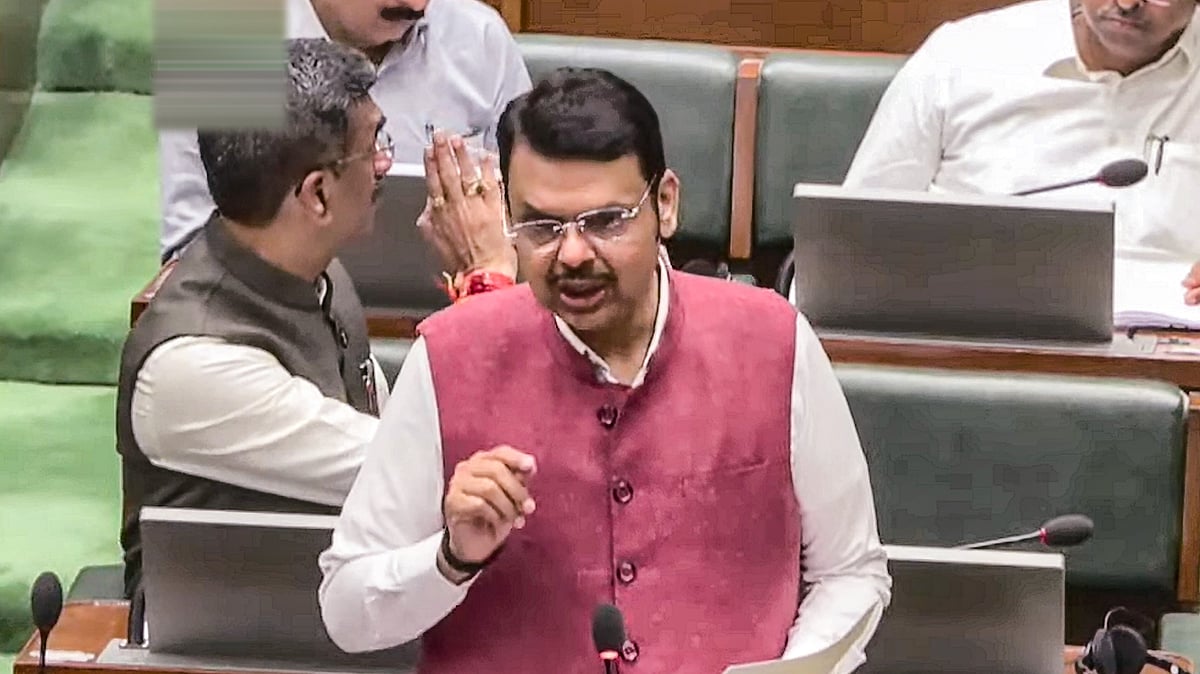
On Friday, Minister of State Pankaj Bhoyar presented the bill in the state Assembly. The state cabinet had already cleared the proposal on March 5. The Assembly plans to hold a full discussion on the bill this coming Monday. If the Assembly approves it, the bill will then go to the Legislative Council for further review. The government states that the main goal is to prevent conversions that happen through force, lies, or by offering money and gifts.
Important Numbers and Facts
The bill includes several strict requirements and punishments. Anyone who wants to change their religion must tell the local authorities 60 days before they plan to do so. After the conversion takes place, the person must register the change within 25 days. If these steps are not taken, the conversion will not be recognized as legal by the state.
The punishments for breaking this law are severe. People found guilty of using force or fraud to convert others can be sent to prison for up to seven years. They may also have to pay a fine of up to Rs 5 lakh. Additionally, the law makes these crimes "non-bailable," which means it is very difficult for an accused person to get out of jail while waiting for their trial. Another key part of the bill allows any blood relative of the person involved to file a police complaint.
Background and Context
This type of law is often called an "anti-conversion law." Several other states in India have passed similar rules over the last few years. The Maharashtra government says this law is necessary to stop what some call "love jihad." This is a term used by some groups to claim that women are being tricked into marriage just to change their religion. However, many experts say there is no official data to prove that this is a major problem. The government believes that by making the rules stricter, they can protect women and ensure that every conversion is done by choice.
Public or Industry Reaction
The reaction to the bill has been very strong. Jitendra Awhad, a leader from the Nationalist Congress Party (Sharad Pawar faction), called the bill a "conspiracy." He said that while forced conversion is wrong, the government’s real goal seems to be controlling people's personal lives. He argued that choosing a religion is a basic human right that the state should not control.
A group of 35 different organizations also spoke out against the bill. They held a meeting to explain why they think the law is dangerous. Teesta Setalvad, a well-known activist, said the government did not talk to the people who would be most affected, such as women and minority groups. Human rights lawyer Lara Jesani pointed out that the government has not shown any reports or studies that prove forced conversions are actually happening in large numbers. These groups have warned that they will take the matter to court if the bill is passed.
What This Means Going Forward
The next few days will be very important for the future of this bill. On Monday, the Assembly will debate the details, and we will see how the government answers the questions raised by the opposition. If the bill passes, it will likely face legal challenges in the High Court or the Supreme Court. Lawyers and activists are already preparing to argue that the law violates the Indian Constitution, which guarantees the right to practice any religion. There is also a concern that the law might make it easier for people to harass couples who marry outside of their religion.
Final Take
The Maharashtra Religious Freedom Act, 2026, highlights a deep divide in how people view personal rights and state protection. While the government insists it is acting to prevent crime and protect women, critics see it as an unnecessary move that limits individual choice. As the bill moves through the legislature, the focus will remain on whether the state has the right to monitor the private spiritual decisions of its citizens.
Frequently Asked Questions
What is the main goal of the Maharashtra Religious Freedom Act?
The law is designed to stop religious conversions that happen because of force, fraud, or the promise of money. The government says it wants to protect people from being tricked into changing their faith.
What happens if someone converts without telling the government?
Under the new rules, a person must give 60 days' notice before converting and register within 25 days after. If they do not follow these steps, the conversion is considered invalid, and those involved could face prison time and fines.
Why are civil rights groups opposing the bill?
Critics argue that the law takes away personal freedom and privacy. They are concerned that it targets minorities and women, and they claim there is no data to prove that forced conversions are a widespread problem in the state.

