Summary
The Maharashtra Legislative Assembly has passed two important bills aimed at making government work more efficient. The first bill allows the state to use village grazing land for public development projects like roads, schools, and hospitals. The second bill simplifies the process for citizens to get refunds on stamp duty payments. These changes are designed to remove legal hurdles for big construction projects and reduce the amount of paperwork for regular people. By updating these laws, the state government hopes to speed up public works and make the revenue system more user-friendly.
Main Impact
The primary impact of these new laws will be felt in the speed of infrastructure growth across Maharashtra. For a long time, many public projects were delayed because they were planned on land reserved for animal grazing. These legal blocks often led to years of waiting. Now, the government has the legal power to move forward with these projects more quickly. Additionally, the changes to stamp duty rules will provide direct relief to home buyers and property owners. People who overpaid or did not use their stamp papers will no longer have to wait for long periods to get their money back from the government.
Key Details
What Happened
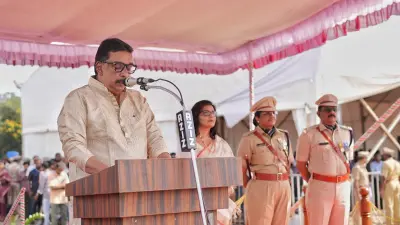
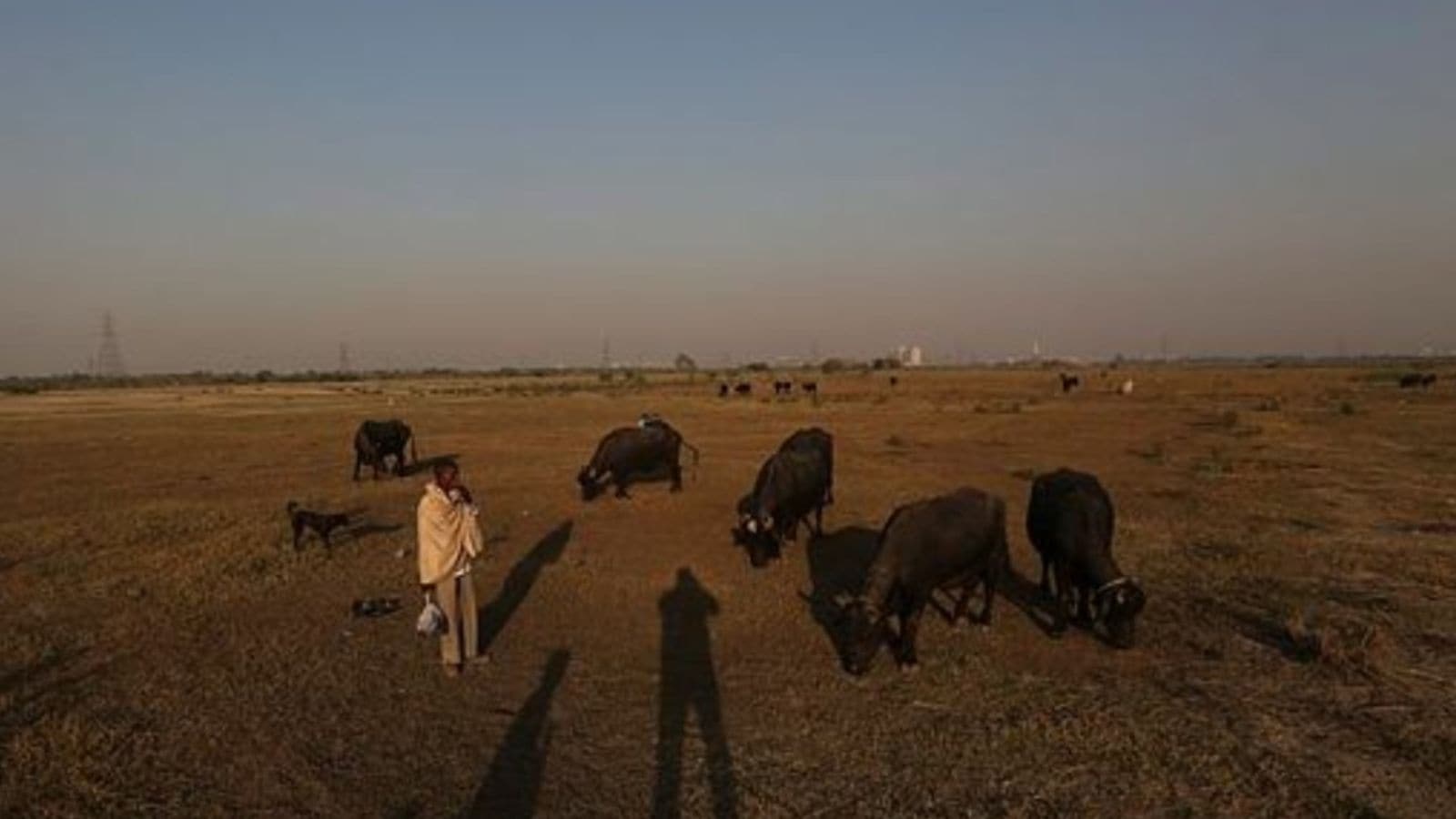
During the recent assembly session, the state government introduced and passed the Maharashtra Village Panchayats (Amendment) Bill and the Maharashtra Stamp (Amendment) Bill. The first bill changes how "Gairan" or grazing land is handled. In the past, this land was strictly kept for cattle and could not be used for anything else. The new law allows the state to take this land if it is needed for a "public purpose." This includes building essential services that benefit the whole community.
The second bill focuses on the financial side of property deals. Stamp duty is a tax people pay when they buy property or sign official documents. Sometimes, a deal falls through, or a mistake is made in the payment. Getting that money back used to be a very slow process. The new amendment sets clearer rules to speed up these refunds, making the system more transparent.
Important Numbers and Facts
The new laws apply to all districts within Maharashtra. While the government can now use grazing land, they are still required to follow certain rules to ensure that animals in the area are not left without food. The state must look for alternative solutions or provide compensation where possible. For stamp duty, the refund process is expected to become much faster, moving away from the old system that could take many months or even years to resolve. These bills were passed to ensure that the state's development goals for 2026 and beyond stay on track.
Background and Context
To understand why these bills matter, it is important to look at how land is managed in rural India. Every village usually has a piece of land set aside for cattle to graze. Over the years, as cities and towns expanded, the government needed more space for public utilities. However, the courts have often protected grazing lands to help farmers and their livestock. This created a conflict between the need for new schools or roads and the need to protect traditional farming resources.
On the other hand, stamp duty is one of the biggest ways the Maharashtra government earns money. Because property prices are high, the tax paid on them is also a large amount. When a citizen needs a refund, it often involves a lot of red tape. By simplifying this, the government is trying to show that it is becoming more modern and helpful to the public.
Public or Industry Reaction
The reaction to these changes has been mixed but mostly positive from a business perspective. Construction companies and infrastructure experts have welcomed the move, saying it will stop projects from getting stuck in court for decades. They believe this will help Maharashtra grow its economy faster. However, some rural activists and farmer groups have expressed concern. They worry that if too much grazing land is taken away, it will become harder for small farmers to keep cows and goats. The government has responded by saying that only essential projects will be built on this land and that they will try to protect the interests of the villagers.
What This Means Going Forward
In the coming months, we can expect to see several stalled projects start moving again. The government will likely identify specific areas where grazing land can be converted for public use immediately. For the average citizen, the benefit will be a smoother experience with the revenue department. If you are buying a house or land, the risk of your money getting stuck in a refund loop is now much lower. The state will also need to update its digital portals to handle the new, faster refund process. It will be important to watch how the government balances the need for new buildings with the environmental and social needs of rural communities.
Final Take
These new laws represent a shift toward a more practical approach to governance in Maharashtra. By addressing the long-standing issues of land use and slow refunds, the state is trying to make life easier for both the government and the public. While the focus is clearly on growth and speed, the real test will be in how these laws are applied on the ground. If the government can build necessary infrastructure while still supporting rural farmers, it will be a major win for the state's future.
Frequently Asked Questions
Can the government take any grazing land they want?
No, the law specifies that the land must be used for a "public purpose." This means it must be for projects that benefit the community, such as schools, hospitals, or roads, rather than for private business use.
How will the stamp duty refund change help me?
The new rules are designed to cut down on paperwork and reduce the time it takes for the government to process your request. This means if you overpay or a property deal fails, you will get your money back much sooner than before.
What happens to the animals that used the grazing land?
The government is expected to provide alternative solutions or ensure that the loss of grazing land does not unfairly hurt the local farming community. The goal is to balance development with the needs of the village.