Summary
The Maharashtra State Common Entrance Test (CET) Cell is introducing much stricter rules to stop students from cheating during exams. These new measures focus on stopping the use of advanced technology, such as hidden cameras and tiny communication devices. By making these changes, the authorities want to make sure that every student has a fair chance to succeed based on their own hard work. These updates come after several reports of people trying to trick the system using high-tech tools.
Main Impact
The biggest change will be felt by the hundreds of thousands of students who take these entrance tests every year. The new rules mean that security at exam centers will be much tighter than before. Students can expect more thorough body checks and the use of digital tools to verify their identity. This move is designed to create a level playing field, ensuring that seats in top colleges go to those who truly deserve them rather than those who use illegal methods to get higher scores.
Key Details
What Happened
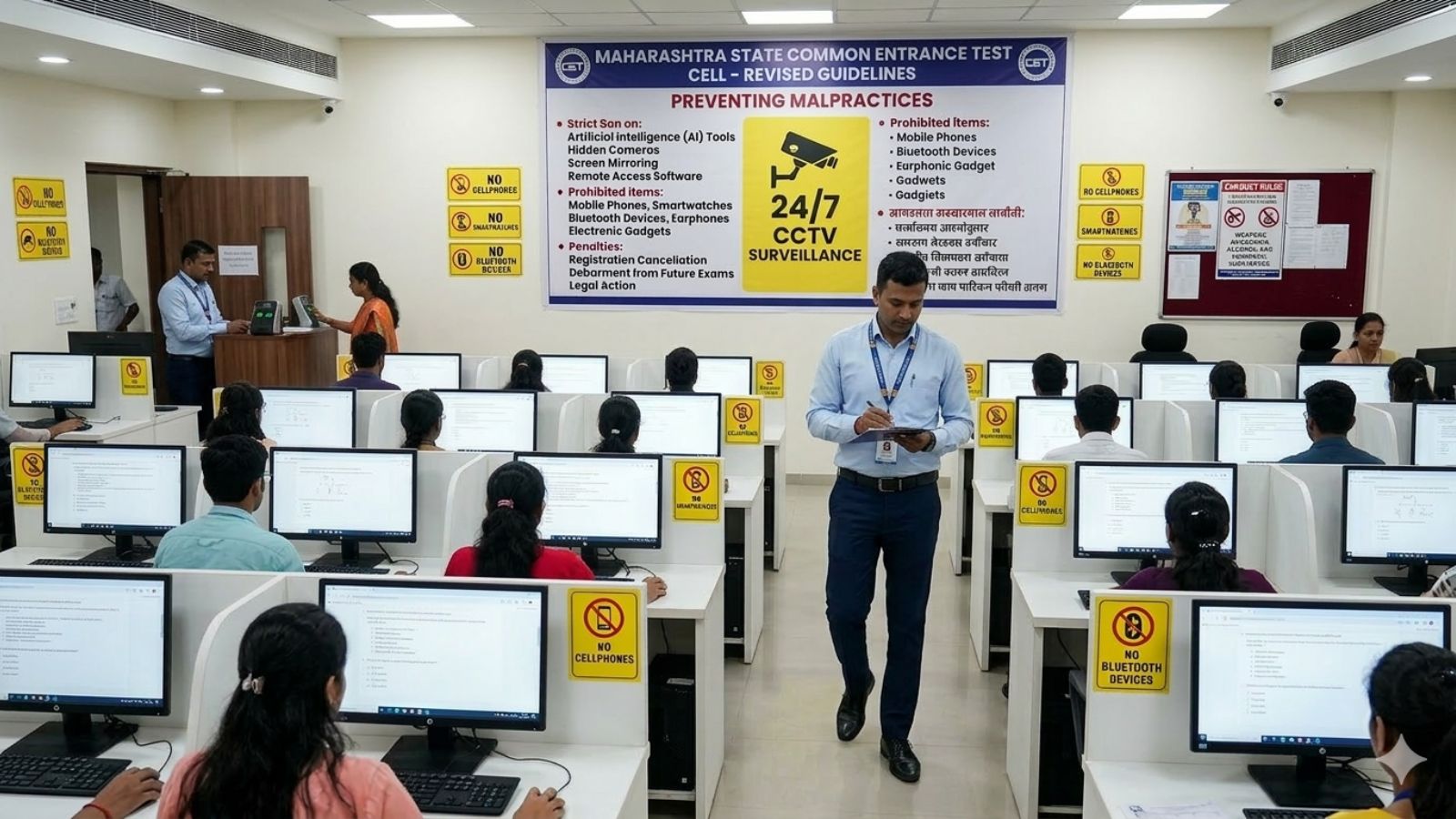
The CET Cell has decided to overhaul its security protocols to keep up with modern cheating methods. In the past, cheating often involved paper notes or looking at a neighbor's work. Today, some people use sophisticated gadgets like Bluetooth earpieces, smartwatches, and even button-sized cameras. To fight this, the authorities are bringing in new technology of their own. This includes biometric systems that scan fingerprints or faces to make sure the person taking the test is the same person who registered for it.
Additionally, the cell is looking into installing signal jammers at various testing locations. These devices block mobile phone signals and internet connections within the exam hall. This makes it impossible for a student to receive answers from someone outside the building. The staff at these centers will also receive special training to spot the signs of tech-based cheating, which can often be very subtle and hard to see with the naked eye.
Important Numbers and Facts
The Maharashtra CET covers a wide range of professional courses, including engineering, pharmacy, and management. Every year, over 500,000 students participate in these exams across the state. Because the competition is so high, the pressure to perform is immense. The CET Cell has noted that even a small increase in cheating can ruin the chances of thousands of honest students. Under the new rules, any student caught with an electronic device will not only be disqualified but could also face a ban from taking any government exams for several years. In some cases, the police may also get involved to investigate who provided the technology.
Background and Context
Entrance exams in India are a major milestone for young people. Getting a good score in the MHT-CET or MBA-CET can lead to a successful career and a stable future. Because these exams are so important, some groups try to sell "cheating services" to desperate students. These groups often use expensive technology to leak exam papers or send answers to students during the test. Over the last few years, several cases have been reported where people were caught using high-tech vests or hidden microphones.
The Maharashtra government realized that the old ways of monitoring exams were no longer enough. As technology becomes smaller and easier to hide, the rules must become stronger. This is not just about catching one or two people; it is about protecting the reputation of the entire education system in the state. If people stop believing that the exams are fair, the value of the degrees earned from these colleges will go down.
Public or Industry Reaction
Most parents and teachers have welcomed these stricter rules. They believe that honest students should not have to compete with those who use unfair shortcuts. Many people have expressed relief that the government is finally taking the threat of high-tech cheating seriously. However, there are some concerns about the time it will take to get through security. With thousands of students arriving at once, the new biometric checks and frisking could lead to long lines and added stress on the morning of the exam.
Education experts have also pointed out that while technology helps, the human element is still important. They suggest that the people supervising the exams need to be very alert. Some student groups have asked the CET Cell to make sure that the new security measures do not accidentally punish students who might have a simple item like a digital watch without knowing it is banned. They want the rules to be very clear so that everyone knows exactly what is allowed and what is not.
What This Means Going Forward
In the future, we can expect the CET Cell to use even more advanced methods. This might include using Artificial Intelligence to monitor how students move or behave during the test. If a student is looking away from their screen too often or moving in a strange way, the system could alert a supervisor. The battle between those trying to cheat and those trying to stop them is likely to continue as technology keeps changing.
For students, the message is clear: there is no substitute for studying. The risks of trying to cheat are now much higher than any potential reward. The authorities are making it clear that they will have zero tolerance for any kind of malpractice. As these rules become standard, other states in India may look at Maharashtra as an example of how to secure their own entrance exams.
Final Take
Ensuring that exams are fair is one of the most important jobs of the education department. While the new rules might make the exam day feel more intense, they are a necessary step to stop the growing problem of tech-enabled cheating. By using biometrics and signal jammers, the Maharashtra CET Cell is sending a strong signal that they are committed to honesty and hard work. In the end, these changes protect the future of every student who spends months preparing for their big day.
Frequently Asked Questions
What happens if a student is caught with a mobile phone?
If a student is found with a mobile phone or any electronic gadget inside the exam hall, they will be disqualified immediately. They may also be banned from taking future exams and could face legal action from the police.
Will the new security checks make the exam start late?
The CET Cell plans to open exam centers earlier to allow enough time for biometric scans and frisking. Students are advised to arrive well before the scheduled start time to ensure they get through security without rushing.
Are signal jammers safe for students?
Yes, the signal jammers used at exam centers are designed to be safe. They only block specific radio frequencies used by mobile phones and do not cause any harm to the people inside the room.