
Summary
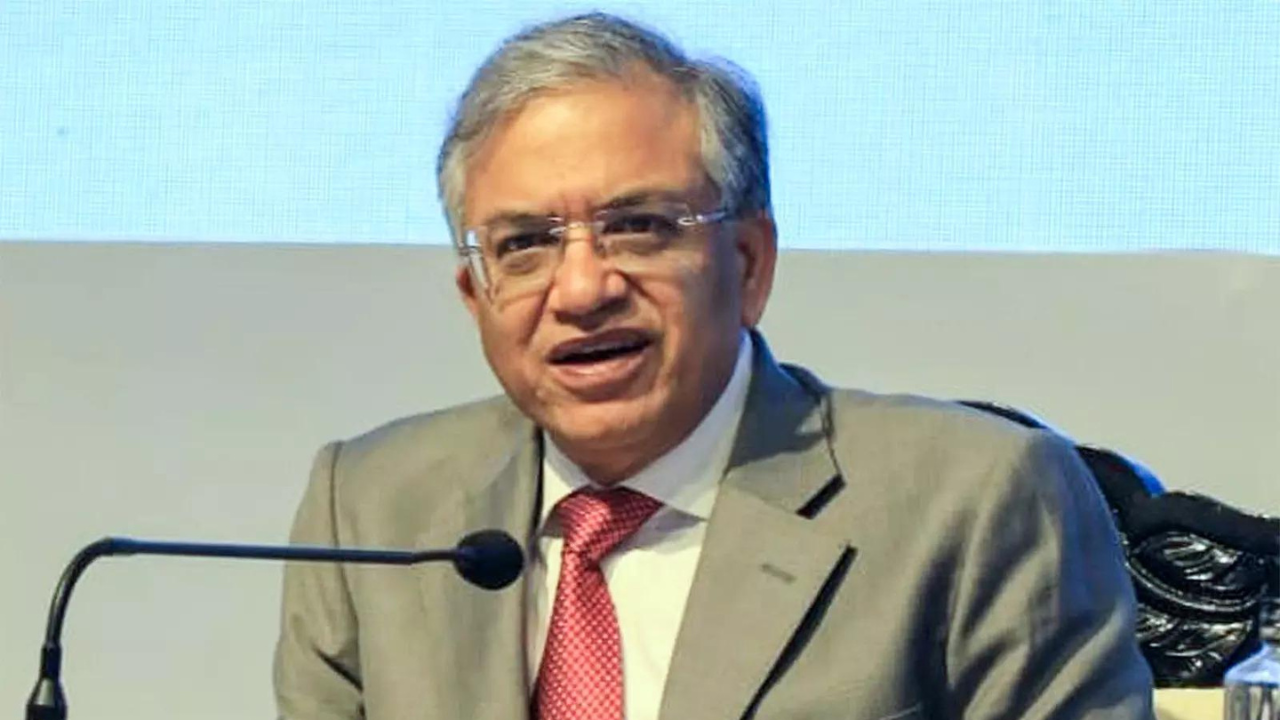
The Speaker of the Lok Sabha and the Chairman of the Rajya Sabha have officially rejected a notice to remove the Chief Election Commissioner, Gyanesh Kumar. This notice was submitted by members of the opposition who sought to start a formal process against the head of India’s election body. By turning down this request, the presiding officers of both houses have stopped the move before it could reach the floor for debate. This decision ensures that the current leadership of the Election Commission remains in place without a formal inquiry.
Main Impact
The rejection of this notice has a significant impact on the political climate in India. It effectively shields the Chief Election Commissioner (CEC) from a long and public removal process in Parliament. For the government, this is a sign of stability, as it prevents a major constitutional office from being caught in a legal battle. However, for the opposition, the rejection is seen as a missed chance to question the functioning of the election body. This development means that the Election Commission will continue its work under Gyanesh Kumar’s leadership without the shadow of an active removal motion hanging over it.
Key Details
What Happened
A group of Members of Parliament (MPs) from various opposition parties came together to file a notice for a motion. Their goal was to remove Gyanesh Kumar from his position as the Chief Election Commissioner. They submitted these notices to Lok Sabha Speaker Om Birla and Rajya Sabha Chairman Jagdeep Dhankhar. After reviewing the documents, both leaders decided not to accept the notice. They stated that the grounds for the motion did not meet the strict legal requirements needed to remove a person from such a high office.
Important Numbers and Facts
The process of removing a Chief Election Commissioner is not easy and follows the same rules as removing a judge of the Supreme Court. According to the law, a notice in the Rajya Sabha must be signed by at least 50 members. In the Lok Sabha, the notice requires the signatures of at least 100 members. Once the notice is given, the Speaker or Chairman has the power to either accept or reject it. In this case, despite having the required number of signatures, the presiding officers felt the charges were not strong enough to move forward. Gyanesh Kumar was appointed to the post recently, following a new selection process that has been a point of debate between the government and the opposition.
Background and Context
The Election Commission of India is an independent body that makes sure elections are fair and free. Because this job is so important, the Constitution gives the commissioners a lot of protection. They cannot be removed easily by the government. They can only be removed through a process called "impeachment" in Parliament, which requires a two-thirds majority in both houses. This high bar exists to make sure that no political party can threaten the election officials just because they do not like their decisions. The opposition has recently raised concerns about how election officials are chosen and how they handle complaints during voting periods. This notice was the latest attempt by political rivals to challenge the current system.
Public or Industry Reaction
The reaction to this decision has been split along party lines. Opposition leaders have criticized the move, claiming that the rejection prevents a necessary discussion on the transparency of the election process. They argue that the presiding officers should have allowed the motion so that the facts could be presented to the public. On the other side, members of the ruling party have welcomed the decision. They believe the motion was a political stunt aimed at damaging the reputation of the Election Commission. Legal experts have also weighed in, noting that the Speaker and Chairman have the legal right to reject such notices if they believe the evidence of "misbehavior or incapacity" is not sufficient.
What This Means Going Forward
With the parliamentary route closed for now, the focus will likely shift to the courts or public debate. The opposition may choose to file a petition in the Supreme Court to challenge the appointment or the actions of the Election Commission. However, for the immediate future, Gyanesh Kumar will remain the Chief Election Commissioner. This provides a sense of continuity as the country prepares for upcoming state and local elections. It also means that the rules and procedures set by the current commission will stay in effect. The debate over how election officials are picked and how they should be held accountable is likely to continue in the next session of Parliament.
Final Take
The decision to reject the removal notice highlights the strong protections given to India’s top election officials. While it prevents political interference from easily disrupting the commission, it also places a heavy responsibility on the presiding officers to be fair. As the country moves toward more elections, the trust in the Election Commission remains a central topic of discussion. This event shows that while the process to remove a CEC is available, it remains one of the most difficult legal paths to take in Indian politics.
Frequently Asked Questions
Why was the notice to remove the CEC rejected?
The Lok Sabha Speaker and Rajya Sabha Chairman rejected the notice because they found that the grounds for removal did not meet the strict legal standards required by the Constitution.
How many signatures are needed to start a removal motion?
To start the process, at least 100 members must sign the notice in the Lok Sabha, or 50 members must sign it in the Rajya Sabha.
Can the Chief Election Commissioner be removed easily?
No, the CEC has the same protections as a Supreme Court judge. They can only be removed by Parliament through a special process that requires a very high number of votes from both houses.



