
Summary
Owners of LPG tanker lorries have officially ended their strike against Indian Oil Corporation Limited (IOCL) after a brief but impactful protest. The strike began early on Monday, April 27, 2026, when lorry owners refused to load gas at various plants. The protest was sparked by claims that the oil company had failed to pay transport fees for four months. This quick resolution is a major relief for the public, as it prevents a potential shortage of cooking gas across the region.
Main Impact
The decision to withdraw the strike has an immediate positive effect on the fuel supply chain. LPG is a vital resource for millions of homes and thousands of small businesses that rely on it for daily cooking and operations. If the strike had continued for even a few more days, it would have led to a massive backlog in cylinder deliveries. By returning to work, the tanker owners have ensured that gas bottling plants can resume their normal schedules, keeping the energy market stable and preventing price hikes in the informal market.
Key Details
What Happened
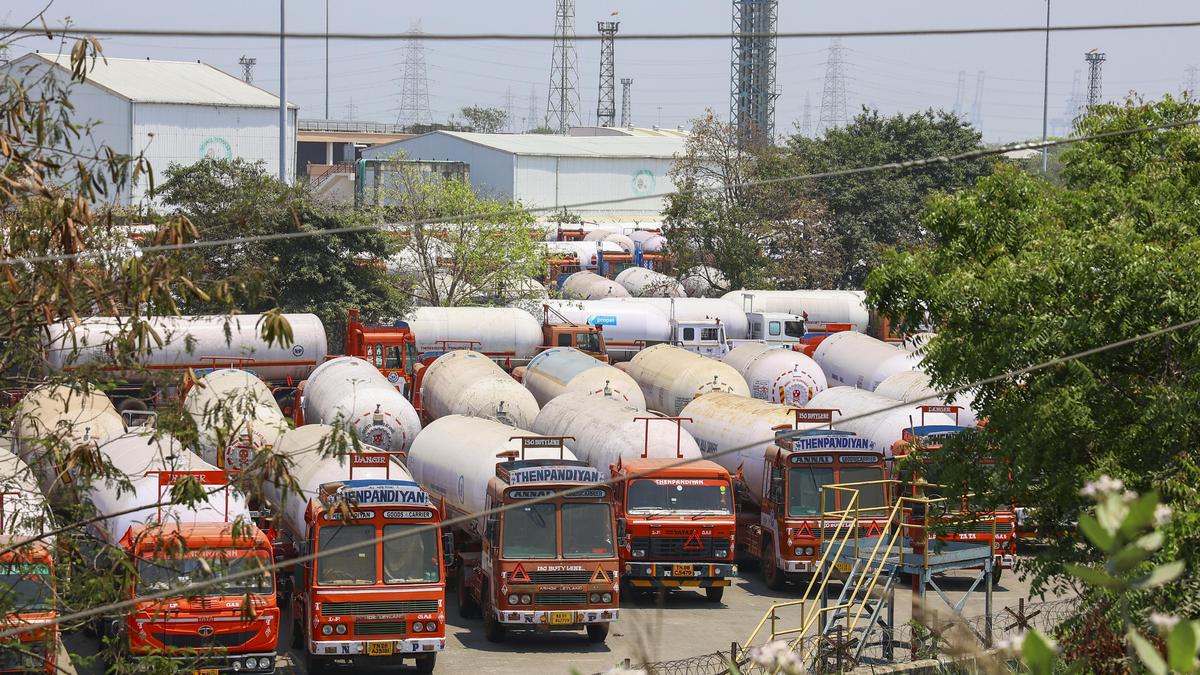
On Monday morning, the movement of liquefied petroleum gas (LPG) came to a sudden halt at several IOCL facilities. Lorry owners parked their vehicles and refused to participate in the loading process. They argued that they could no longer sustain their businesses without the money owed to them by the corporation. The strike was not just about a single missed payment but a long-standing delay that had reached a breaking point. After discussions between union leaders and company officials, the owners agreed to call off the protest and resume their duties immediately.
Important Numbers and Facts
The core of the dispute involves four months of unpaid freight charges. Freight charges are the specific fees paid to transport companies for moving goods from one location to another. For many of these lorry owners, these payments are their only source of income. Without this money, they struggle to cover essential costs such as diesel, vehicle insurance, and the monthly wages of their drivers. The strike affected hundreds of tankers that move gas from large storage hubs to smaller bottling units where cylinders are filled for home use.
Background and Context
Indian Oil Corporation Limited (IOCL) is one of the biggest players in the country’s energy sector. To get gas to consumers, they hire private contractors who own and operate large tanker lorries. This system is built on a contract where the company promises to pay the owners at regular intervals. However, delays in these payments are not uncommon in the industry. When payments are held up for several months, it creates a chain reaction of debt. Small business owners often have to take out loans to keep their trucks running, and when the oil company does not pay on time, these owners face heavy interest charges and financial ruin.
Public or Industry Reaction
The news of the strike caused immediate worry among local gas agencies and distributors. Many distributors were concerned that their stocks would run out by the end of the week, leading to angry customers and long waiting lists. On social media, people expressed fear that they would not be able to book a refill for their kitchen cylinders. Industry experts noted that the logistics sector is currently under a lot of pressure due to rising operational costs. They suggested that large corporations like IOCL must find a way to automate or speed up their payment systems to avoid these kinds of standoffs, which ultimately hurt the end consumer.
What This Means Going Forward
While the strike has ended, the underlying problem of delayed payments remains a concern. The lorry owners have gone back to work on the promise that their dues will be cleared soon. If the money does not arrive in their bank accounts in the coming weeks, there is a high chance that another strike could happen. For IOCL, this event serves as a warning to fix their internal accounting and payment processes. For the government, it highlights the need for better oversight of how state-run companies treat their small business partners. Moving forward, both sides will likely look for a more reliable way to handle financial transactions to keep the gas flowing without interruption.
Final Take
The resolution of the LPG tanker strike is a win for common sense and public convenience. It shows that while workers and business owners have the right to demand their pay, the essential nature of fuel delivery requires quick and fair solutions. Keeping the lines of communication open between big companies and their transport partners is the only way to ensure that every household has the energy it needs to function every day.
Frequently Asked Questions
Why did the LPG tanker owners go on strike?
The owners went on strike because Indian Oil Corporation Limited (IOCL) had not paid their transport fees, also known as freight charges, for four months.
Will there be a shortage of cooking gas cylinders?
No, a shortage is unlikely now because the strike was withdrawn quickly. Tankers have started loading gas again, and the supply chain is returning to normal.
What are freight charges in the gas industry?
Freight charges are the payments made to lorry owners for the service of transporting gas from storage plants to bottling units and distribution centers.



