
Summary
On March 23, 2026, the Central Government officially increased the supply of cooking gas, known as LPG, by 20 percent. This move was intended to fix the ongoing fuel shortages that have troubled several parts of the country. However, the situation in Kerala remains difficult as the extra supply has not yet reached those who need it most. Many businesses, including local hotels and social welfare kitchens, have been forced to stop operating because they simply do not have enough gas to cook food.
Main Impact
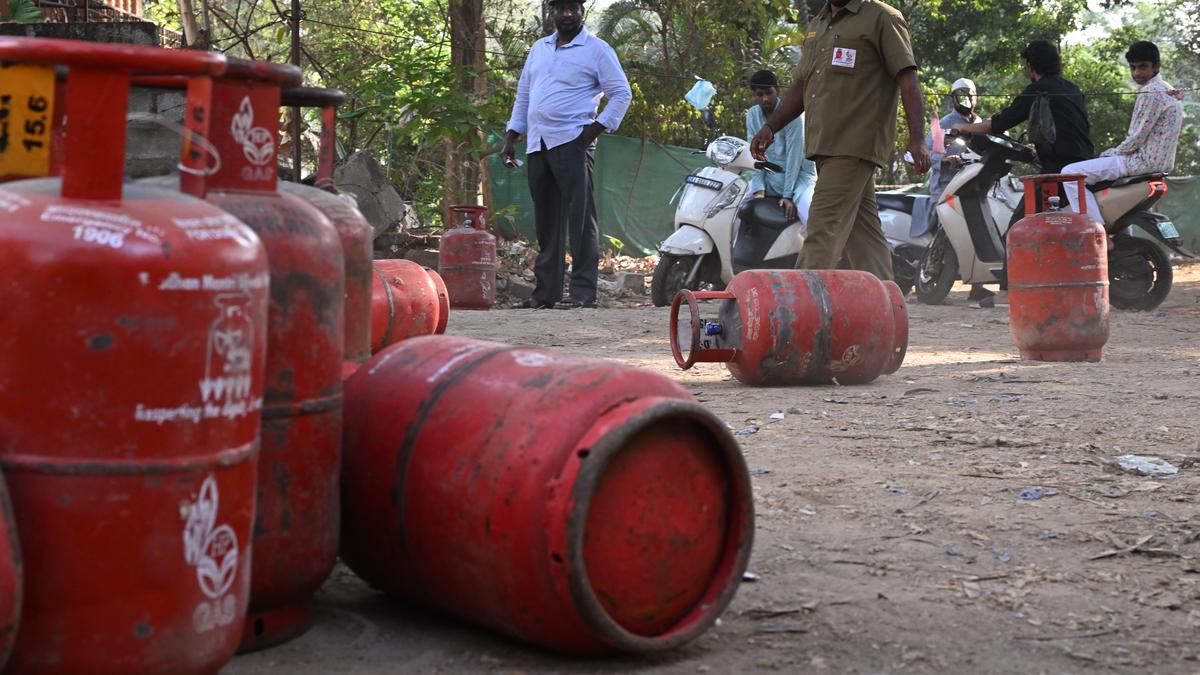
The shortage of LPG is causing a major disruption in Kerala’s food industry and social services. While the government’s decision to boost supply by 20 percent is a positive step, the immediate effect on the ground has been minimal. The most visible impact is the closure of hundreds of hotels and restaurants across the state. Without a steady supply of commercial gas cylinders, these businesses cannot prepare meals, leading to a loss of income for owners and workers alike.
Beyond the private sector, the crisis is hitting social safety nets. Community kitchens, which provide affordable or free meals to vulnerable people, are also shutting down. This has created a situation where many people who rely on these services for their daily nutrition are left without options. The delay in getting the new gas supply to the actual kitchens means that the crisis is continuing despite the official policy change.
Key Details
What Happened
The Central Government recognized that the demand for LPG was far higher than the available supply. To fix this, they ordered a 20 percent increase in the amount of gas sent to distribution centers starting today, March 23. In Kerala, the shortage had already reached a breaking point, with distributors reporting long waiting lists for both domestic and commercial cylinders. Even with the announcement of more gas, the physical delivery of these cylinders to the end users is taking longer than expected.
Important Numbers and Facts
The 20 percent hike in allocation is a significant increase aimed at clearing the backlog of orders. In Kerala, the food service industry is one of the largest consumers of commercial LPG. Reports show that a large number of community kitchens run by the Kudumbashree mission have been unable to function. Kudumbashree is a massive network of women’s self-help groups that play a vital role in the state's economy and social welfare. When these kitchens close, it affects thousands of families who depend on them for low-cost meals.
Background and Context
LPG is the primary fuel used for cooking in most Indian homes and businesses. In a state like Kerala, where the population density is high and the restaurant culture is very active, any break in the gas supply chain is felt almost immediately. The current shortage is believed to be caused by a mix of high demand and delays in the logistics chain that brings gas from refineries to bottling plants and then to local dealers.
The government often adjusts the supply of essential goods like fuel to match demand, but the process of moving gas across the country is complex. It involves ships, pipelines, and thousands of trucks. When a shortage becomes this severe, a simple increase in production or allocation takes time to move through the system. This is why the 20 percent hike, while helpful, has not yet ended the long lines and closed doors in Kerala.
Public or Industry Reaction
Hotel and restaurant owners in Kerala have expressed deep frustration. Many say they have had to turn away customers because they cannot turn on their stoves. Small business owners are particularly worried because they do not have the financial backup to stay closed for many days. They are calling on the state and central governments to speed up the delivery of the extra gas.
The public is also feeling the pressure. Families who usually buy food from local eateries are finding it harder to get meals. There is also a fear that if the shortage continues, the price of food will go up. Social activists have pointed out that the closure of Kudumbashree kitchens is a serious problem for the elderly and the poor who cannot cook for themselves. The general feeling is that while the 20 percent increase is welcome, it should have happened much sooner.
What This Means Going Forward
In the coming days, the focus will be on how quickly the oil marketing companies can move the extra LPG to Kerala. The 20 percent hike should eventually clear the waiting lists, but it might take a week or more for the supply chain to return to normal. Authorities will need to monitor the distribution to ensure that the gas is going where it is needed most, such as hospitals and community kitchens, rather than being hoarded.
This situation also highlights the need for a more stable energy plan. Relying so heavily on a single type of fuel for cooking makes the food supply vulnerable to transport and production issues. In the future, there may be more talk about moving toward electric cooking or piped natural gas to prevent these kinds of shutdowns from happening again.
Final Take
The increase in LPG supply is a necessary fix, but the current situation in Kerala shows that policy changes do not always result in instant relief. For the thousands of workers and families affected by closed kitchens, the priority is not just more gas in the system, but actual cylinders delivered to their doors. Until the supply chain catches up with the new allocation, the food industry in the state will continue to face a difficult period.
Frequently Asked Questions
Why is there an LPG shortage in Kerala?
The shortage is caused by a high demand for cooking gas that exceeded the available supply, combined with delays in the distribution network that moves gas from refineries to local dealers.
What did the government do to solve the problem?
The Central Government increased the LPG allocation by 20 percent starting March 23, 2026, to provide more fuel to the market and clear the backlog of orders.
How are community kitchens like Kudumbashree affected?
Many of these kitchens have been forced to close because they do not have enough gas to cook. This stops them from providing affordable meals to the people who rely on them every day.



