
Summary
The government has taken urgent action to address a "worrisome" shortage of Liquefied Petroleum Gas (LPG) across the country. Over the last 14 days, officials have pushed for a massive 36% increase in production to stabilize the market. This rapid move comes after reports showed that supply was falling behind the high demand from households. By boosting output so quickly, the government aims to prevent long wait times and ensure that every family has access to cooking fuel.
Main Impact
The primary impact of this decision is the immediate relief it provides to the domestic energy sector. LPG is the main fuel used for cooking in millions of Indian homes, and any shortage can quickly lead to public concern. By increasing output by more than a third in just two weeks, the government is working to stop a potential energy crisis before it worsens. This move helps keep prices stable and prevents the black marketing of gas cylinders, which often happens when supply is low.
Key Details
What Happened
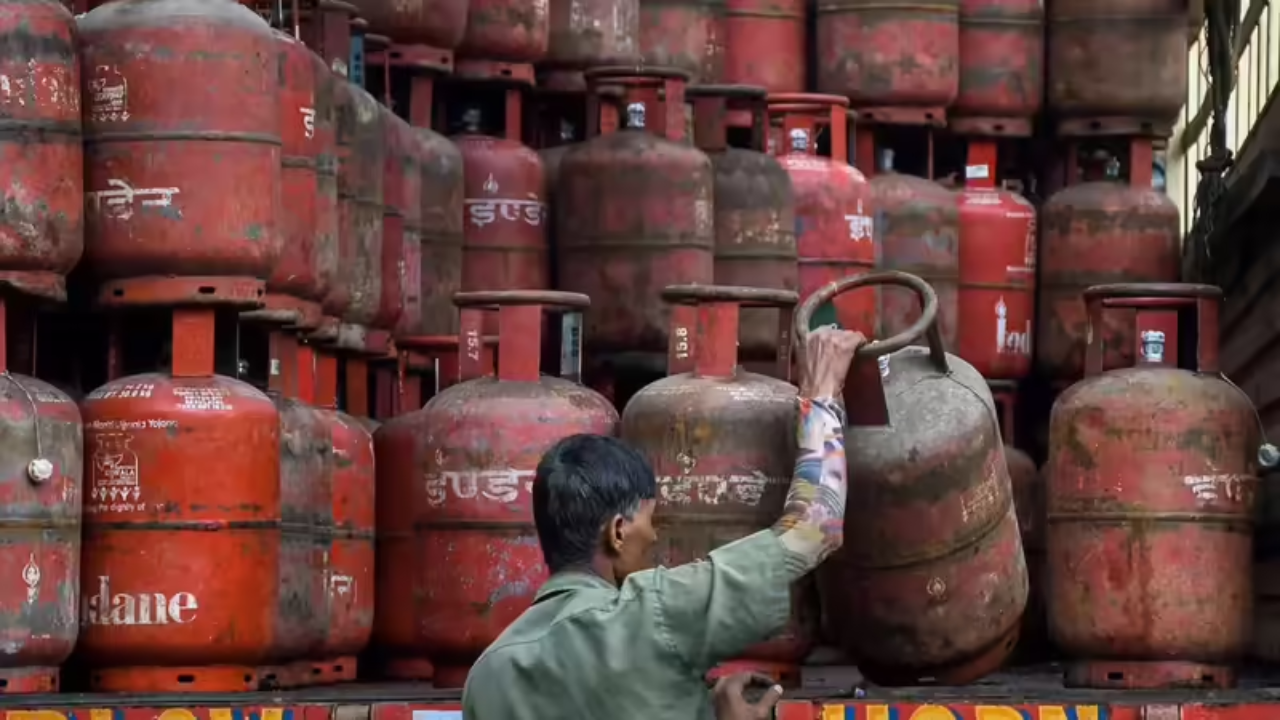
In early March, data indicated that the supply of LPG was not keeping up with how much people were using. This led to a "worrisome" situation where delivery times were getting longer. In response, the Ministry of Petroleum and Natural Gas directed state-run oil companies to speed up their operations. These companies focused on two main areas: increasing the amount of gas produced at refineries and speeding up the "bottling" process, which is when gas is put into the metal cylinders used in homes.
The government also looked at the logistics of moving the gas. They cleared bottlenecks in the transport system to make sure that once the gas was produced, it reached distribution centers without delay. This coordinated effort allowed the system to handle a much higher volume of fuel than it usually does in such a short period.
Important Numbers and Facts
The most significant figure in this development is the 36% jump in output achieved within a single fortnight. This is one of the largest short-term increases in recent years. Reports show that the daily supply of cylinders has been ramped up to meet both current needs and to build a small reserve for the coming weeks. Additionally, the government is monitoring the stock levels at over 200 bottling plants across the nation to ensure there are no local shortages.
Background and Context
To understand why this matters, it is important to know how vital LPG is for daily life. Over the past decade, the government has worked hard to move families away from using wood or coal for cooking, as those methods cause health problems and pollution. Because of these efforts, almost every household now relies on gas cylinders. This means that even a small dip in supply can affect the daily meals of millions of people.
Usually, demand for gas stays steady, but certain times of the year see sudden spikes. Whether due to weather changes or shifts in international oil markets, the supply chain can sometimes feel the pressure. In this case, the government noticed the warning signs early and decided that a 36% increase was necessary to keep the system running smoothly without causing panic among consumers.
Public or Industry Reaction
Consumer groups have welcomed the news, noting that delivery times in some cities had already started to climb. Many people were worried that they would have to wait a week or more for a refill, but the extra supply is expected to bring wait times back down to 24 or 48 hours. Industry experts have pointed out that a 36% increase in such a short time is a major logistical achievement. It required refineries to work at near-maximum capacity and transport trucks to run extra shifts.
However, some industry analysts warn that while this quick fix works for now, the government needs to look at long-term storage. They suggest that building larger storage tanks would help the country handle these "worrisome" situations better in the future without needing such sudden emergency measures.
What This Means Going Forward
Looking ahead, the government will likely keep production levels high until the backlog of orders is completely cleared. This 36% boost acts as a safety net. If demand stays high, the authorities may need to look at increasing imports of gas from other countries to keep the local supply steady. For the average person, this means that the risk of running out of cooking gas is now much lower.
The next step for officials will be to review the distribution network. They want to make sure that rural areas receive the same level of service as big cities. There is also a plan to improve the digital tracking of cylinders so that the government can see exactly where a shortage might happen before it becomes a serious problem.
Final Take
The government’s fast response to the LPG shortage shows how important energy security is for the country. By increasing production by 36% in just two weeks, they have managed to turn a "worrisome" situation into a manageable one. While the immediate crisis seems to be fading, the focus must now stay on maintaining a steady flow of fuel so that every kitchen stays running without interruption.
Frequently Asked Questions
Why did the government increase LPG production so suddenly?
Production was increased by 36% because the supply was falling behind demand, leading to longer wait times for consumers to get their cooking gas cylinders.
How long did it take to boost the output?
The government and oil companies managed to achieve this significant increase in production within a fortnight, which is a period of two weeks.
Will this move help lower the price of gas cylinders?
While the main goal was to fix the supply shortage and stop wait times, a steady supply generally helps keep prices stable by preventing panic buying and illegal overcharging.



