
Summary
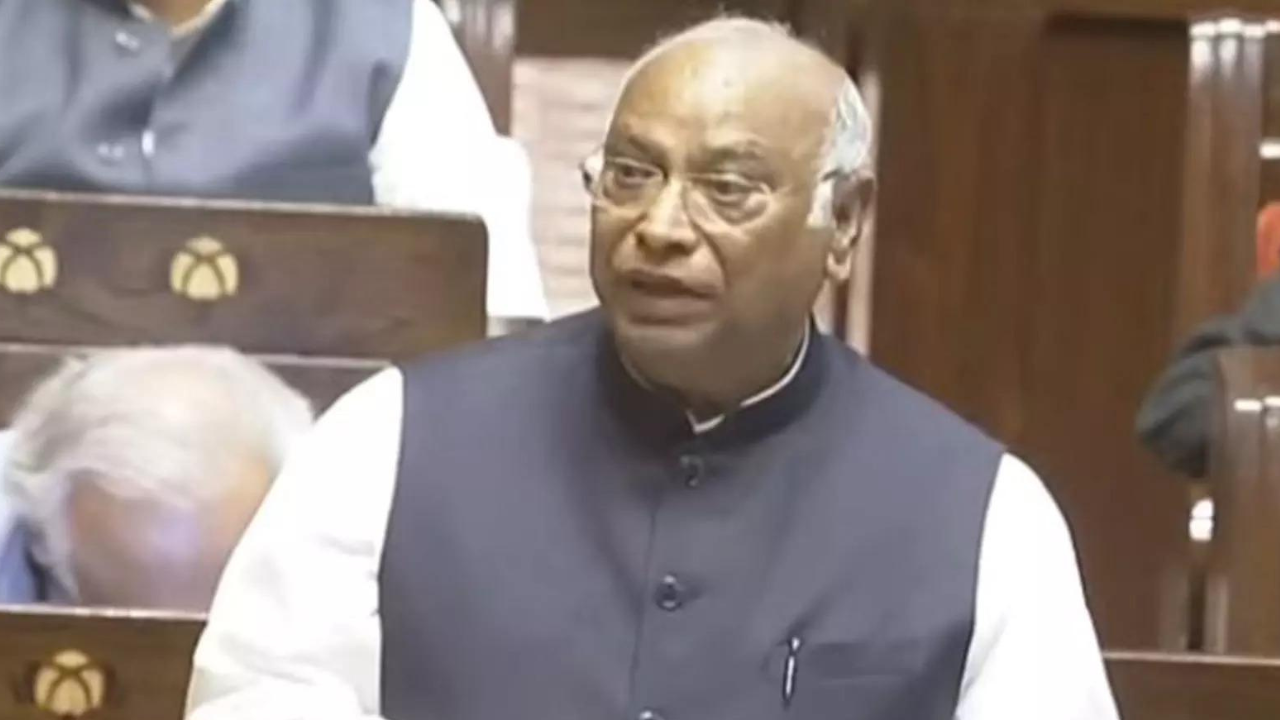
Congress President Mallikarjun Kharge recently raised the issue of a cooking gas (LPG) crisis during a session in the Rajya Sabha. He highlighted that many citizens are facing long wait times and high costs for essential fuel cylinders. The central government quickly responded, dismissing the claims of a widespread shortage. Government officials accused the opposition of using the situation to play politics and create unnecessary fear among the public.
Main Impact
The debate in the Rajya Sabha brings the focus back to the rising cost of living and the availability of basic goods. For millions of Indian families, LPG is the primary source of energy for cooking. Any delay in supply or increase in price has a direct impact on the daily lives of the poor and middle class. This political clash shows that the government is under pressure to ensure that the supply chain for cooking gas remains steady across all states.
Key Details
What Happened
During the parliamentary session, Mallikarjun Kharge spoke about the difficulties faced by households in both rural and urban areas. He stated that the supply of LPG cylinders has become irregular in several parts of the country. According to Kharge, people who rely on these cylinders are often told that stocks are empty or that they must wait for several days to get a refill. He argued that this is a failure of the current administration's distribution system.
In response, the Petroleum Minister and other government representatives stood up to defend their record. They argued that the country has enough gas reserves and that the oil companies are working at full speed. The government claimed that any local delays are small and temporary, often caused by transport issues rather than a lack of actual gas. They insisted that the opposition is exaggerating the problem to gain political points.
Important Numbers and Facts
The discussion touched upon the Ujjwala Yojana, a government program that has provided millions of gas connections to low-income families. While the government pointed to the high number of new connections as a success, the opposition pointed out that many of these families cannot afford to refill their tanks. Recent data suggests that while the number of gas users has gone up, the frequency of refills in some regions has slowed down. The government maintains that LPG coverage has reached nearly 100% of the population, a claim that the opposition continues to challenge based on ground-level reports.
Background and Context
Cooking gas is a sensitive topic in Indian politics because it affects every household. In the past, changes in gas prices or shortages have led to large protests and even influenced election results. The government has moved away from heavy subsidies over the last few years, which has made the market price of cylinders more visible to the public. When prices go up or supply becomes tight, it becomes a major talking point for political parties.
The current tension comes at a time when global energy markets are seeing changes. India imports a large portion of its gas, meaning international prices and shipping routes play a big role in local availability. The government says it is managing these global pressures well, while the opposition believes the government should do more to protect the common man from these fluctuations.
Public or Industry Reaction
Consumer groups have expressed concern over the reports of shortages. In some states, local distributors have admitted that there have been slight delays in receiving shipments from bottling plants. However, industry experts from major oil companies have released statements saying that there is no need for panic buying. They suggest that the current supply is enough to meet the normal demand of the country.
On social media, many users have shared their experiences of waiting longer than usual for their gas bookings. This has added fuel to the opposition's arguments. On the other hand, supporters of the government argue that the distribution network is stronger than ever and that the opposition is simply trying to distract from other positive economic news.
What This Means Going Forward
The government will likely face more questions in the coming weeks regarding the specific regions where shortages have been reported. To prove their point, officials may release more detailed data on daily cylinder deliveries. There might also be a push to improve the logistics of gas transport to ensure that even the most remote areas receive their refills on time.
For the opposition, this issue provides a way to connect with the everyday struggles of voters. They are expected to keep raising the topic of "inflation and shortage" in future sessions. If the delays continue, the government might be forced to take extra steps, such as increasing the number of delivery trucks or checking for hoarding at the local distributor level.
Final Take
The clash between Kharge and the government highlights a deep divide in how the country's energy situation is viewed. While the government sees a successful and massive distribution network, the opposition sees a system that is struggling to meet the needs of the poor. Ensuring that every kitchen has a working gas cylinder is not just a logistical goal but a vital part of keeping the public's trust. Moving forward, the focus must remain on solving distribution gaps rather than just winning a political argument.
Frequently Asked Questions
Why is there a debate about LPG in the Rajya Sabha?
The debate started because the opposition, led by Mallikarjun Kharge, claimed there is a shortage of cooking gas cylinders and that people are facing long delays for refills. The government denied these claims.
What is the government's stance on the gas shortage?
The government maintains that there is no national shortage of LPG. They believe the opposition is making these claims for political reasons and that any local delays are minor and temporary.
How does this affect the average person?
If there are real shortages, families may have to wait longer for cooking fuel or pay higher prices. The political discussion puts pressure on the government to ensure that gas is delivered on time and remains affordable.



