
Summary
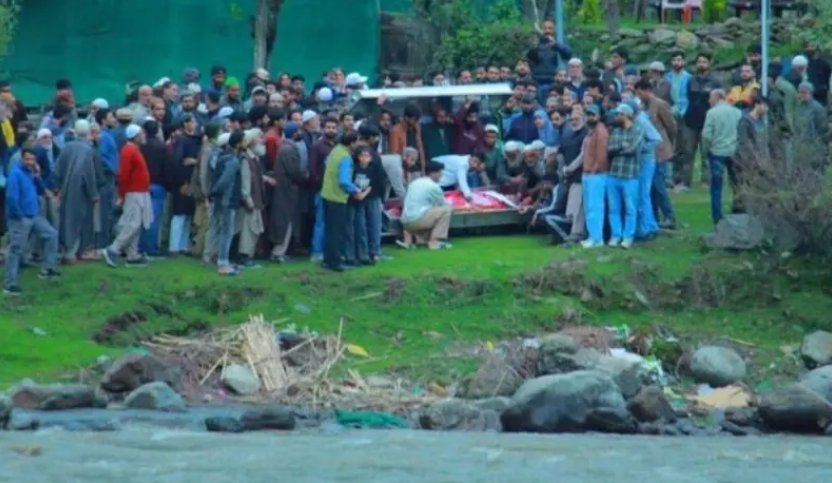
A recent death in North Kashmir has highlighted the deep emotional pain caused by the Line of Control (LoC). Family members living in Pakistan-occupied Kashmir (PoK) gathered at the edge of the Kishanganga river to mourn a relative who passed away on the Indian side. This event shows how the border separates families even during their most difficult moments. It serves as a reminder of the human side of the long-standing conflict in the region.
Main Impact
The main impact of this event is the display of human connection despite strict political borders. For families living along the LoC, the loss of a loved one is made harder by the fact that they cannot cross over to offer comfort or attend the burial. The river, which serves as a physical boundary, became a place of shared grief. This situation affects hundreds of families who have been split apart for generations, making simple acts like attending a funeral nearly impossible without a long and difficult legal process.
Key Details
What Happened
When a resident died in a village in North Kashmir, the news quickly reached relatives on the other side of the border. Because they could not get visas or cross the border in time, the relatives in PoK traveled to the banks of the Kishanganga river. On the Indian side, the funeral procession moved toward the riverbank so the other side could see. From opposite sides of the water, the two groups waved, shouted prayers, and shared their final goodbyes across the rushing water.
Important Numbers and Facts
The Kishanganga river is one of the few places where the two sides are close enough to see each other clearly. In some areas, the distance between the two banks is less than 100 meters. Since the division of the region in 1947, thousands of families have been separated by this line. While there are official crossing points, they are often closed or require special permits that take a long time to get. As a result, the riverbank has become a traditional spot for "distant meetings" during births, weddings, and deaths.
Background and Context
The Line of Control is a military control line that divides the region of Kashmir between India and Pakistan. It is not an official international border, but it is heavily guarded by soldiers on both sides. For many years, people living in these border villages have faced the reality of being cut off from their parents, siblings, and children. Before the conflict began, these people moved freely to trade and visit family. Now, they must rely on shouting across a river or using mobile phones, which often have poor signals in these remote mountain areas. The physical closeness of the villages makes the emotional distance feel even greater.
Public or Industry Reaction
Local residents often feel a deep sense of sadness when they see these "river funerals." Many people in the community believe that there should be more ways for families to meet during emergencies. Human rights groups have often pointed out that the right to mourn with family is a basic human need that is being ignored because of political tension. The sight of people crying across a river is a common but heartbreaking scene for those living in the Keran and Teetwal sectors. It often sparks calls for the governments to open more "peace bridges" or simplify the visa process for divided families.
What This Means Going Forward
Looking ahead, these events keep the conversation about "people-to-people" contact alive. While the governments of India and Pakistan focus on security and territory, the local people focus on their family ties. There is a constant hope that the bus services or trade routes that once existed might return or expand to allow easier travel. However, until the political relationship between the two countries improves, families will likely continue to use the riverbanks as their only way to share life's biggest moments. Security remains the top priority for officials, which means these emotional scenes are likely to continue for the foreseeable future.
Final Take
The story of the funeral across the Kishanganga river shows that blood ties are stronger than any fence or wall. Even though a river and a military line separate them, these families find a way to stay connected in their time of need. It is a powerful reminder that behind every political headline, there are real people facing real pain. While the border may be fixed on a map, the human heart does not recognize such limits.
Frequently Asked Questions
Why can't the families just cross the bridge to attend the funeral?
Crossing the Line of Control requires a special permit or a visa, which can take weeks or months to process. In the event of a sudden death, there is not enough time for relatives to get the legal paperwork needed to cross the border.
Where exactly do these meetings across the river take place?
These meetings usually happen in the North Kashmir region, specifically in areas like Teetwal and Keran. In these spots, the Kishanganga river is narrow enough for people to see and hear each other from the opposite banks.
Is it legal for people to talk across the river?
While soldiers monitor the banks for security reasons, they often allow families to gather and shout messages or prayers across the water during funerals or special occasions as a humanitarian gesture.



