Summary
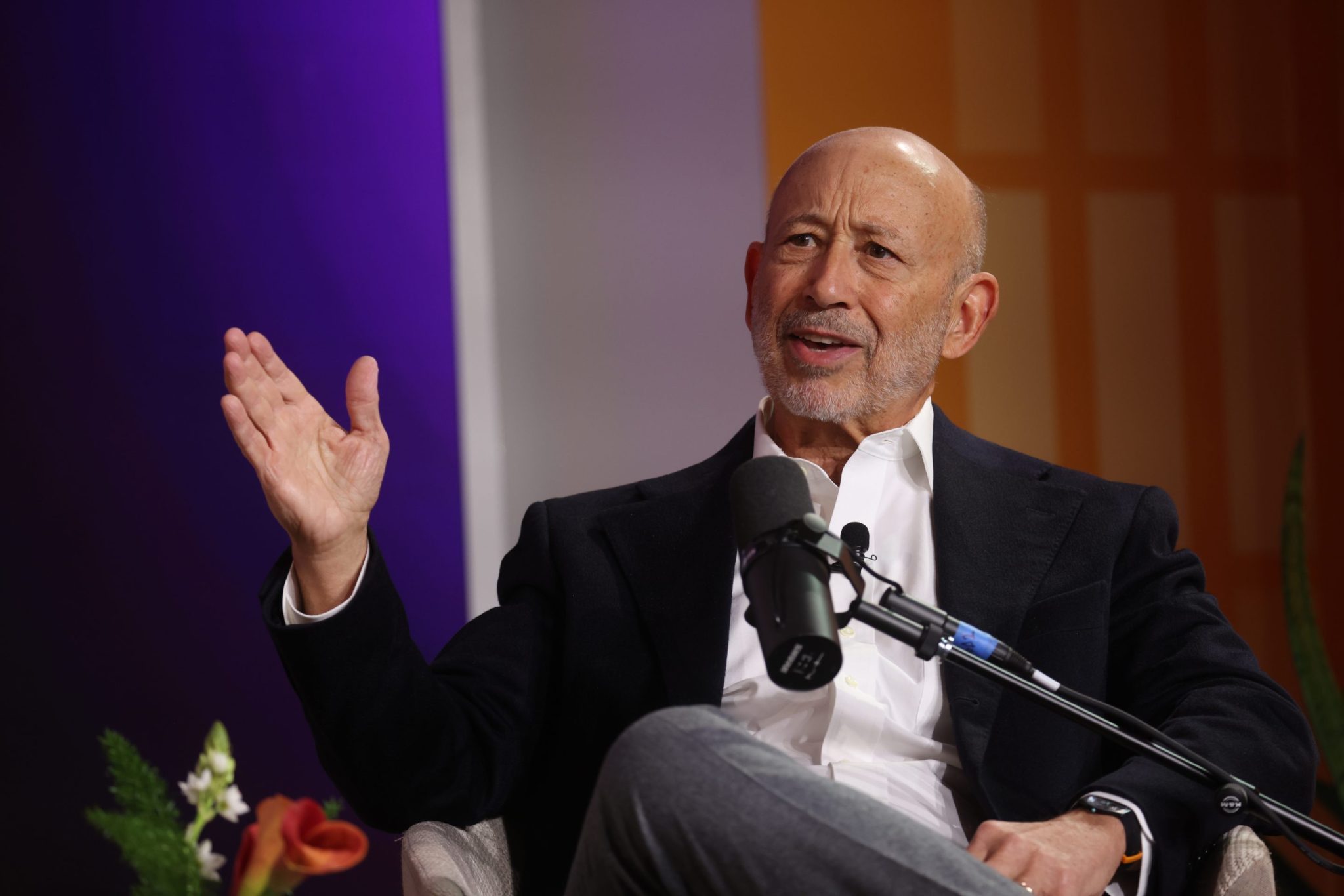
Lloyd Blankfein, the former CEO of Goldman Sachs, recently stated that diversity, equity, and inclusion (DEI) programs are often "counterproductive." He argues that these initiatives can unintentionally label or "brand" the participants as needing extra help, which may hurt their professional reputation. His comments come as many large American companies are scaling back their diversity efforts following changes in federal policy and recent court rulings. This shift marks a major change in how the corporate world handles social and hiring issues.
Main Impact
The move away from DEI programs is changing the way major corporations hire and promote employees. For several years, big businesses focused heavily on specific diversity goals and social justice initiatives. However, many of these firms are now removing those goals to avoid legal risks and political pressure. This change affects everything from how boards of directors are chosen to the language used on company websites. It signals a move toward a more traditional hiring process that focuses on individual skills rather than group identity.
Key Details
What Happened
In a recent interview about his new book, Streetwise, Lloyd Blankfein explained his concerns about special programs for minorities. He believes that when a company creates a "remedial" program, it sends a message that the people in that program are not as capable as others. Blankfein suggested that these efforts can be self-defeating because they make it harder for participants to be seen as top-tier talent. He noted that while the intentions were good, the results often created new problems for the employees involved.
Important Numbers and Facts
Goldman Sachs has already taken steps to reduce its DEI focus. In 2025, the firm stopped requiring companies it helps take public to have at least two diverse board members. The bank also removed specific terms like "racial equity" and "gender equality" from its website. Other major companies are following this trend. Target began phasing out its DEI initiatives in early 2025, which led to a national boycott from civil rights activists. Walmart and Pepsi have also made similar cuts to their diversity programs. These changes follow a 2023 Supreme Court ruling that limited affirmative action and a recent executive order from President Trump that targeted federal DEI efforts.
Background and Context
Diversity programs in the United States have a long history, starting with the Civil Rights Act of 1964. These policies were created to help groups that were historically kept out of good jobs and education. In 2020, after the death of George Floyd, many companies expanded these programs and promised to spend billions of dollars on social justice. However, the legal environment changed in 2023 when the Supreme Court ruled against using race as a factor in college admissions. This made many companies worry that their own diversity programs could lead to lawsuits. Additionally, new government policies have put pressure on businesses to stop using what some call "woke" hiring practices.
Public or Industry Reaction
The reaction to these changes has been split. Some business leaders and conservative groups agree with Blankfein, arguing that hiring should be based only on merit. They believe that removing DEI programs will make companies more competitive. On the other hand, civil rights leaders and some progressive customers are very unhappy. They argue that systemic barriers still exist and that removing these programs will make it harder for marginalized groups to succeed. Interestingly, not every company is pulling back. Apple, Costco, Delta, and Cisco have decided to keep their diversity programs. For example, Costco shareholders recently voted to continue their inclusion efforts despite pressure from activists to stop them.
What This Means Going Forward
In the future, companies will likely find new ways to promote diversity without using specific labels or quotas. Blankfein suggested that firms should focus on general career and education programs that are open to everyone. He believes that if these programs are done well, they will naturally help the people who need it most without creating a stigma. Many businesses are also moving toward "skills-based" hiring. This means they look at what a person can actually do, rather than where they went to school or what their background is. This approach helps companies stay diverse while staying within the law.
Final Take
The debate over DEI programs shows a deep disagreement about how to achieve fairness in the workplace. While some see these programs as essential for justice, others see them as a barrier to true merit-based success. As the legal and political environment continues to change, companies will have to balance their desire for a diverse workforce with the need to follow new rules and maintain a fair environment for all employees.
Frequently Asked Questions
Why did Lloyd Blankfein criticize DEI programs?
He believes that labeling programs as "remedial" can hurt the reputation of the people participating in them. He argues that these initiatives can be counterproductive by making employees look less capable than their peers.
Which companies are scaling back their diversity efforts?
Goldman Sachs, Target, Walmart, and Pepsi are among the major companies that have recently reduced or removed their DEI programs and diversity goals.
Is every company stopping its DEI initiatives?
No. Some companies like Apple, Costco, Delta, and Cisco have chosen to keep their diversity and inclusion programs, arguing that a diverse workforce is still a benefit to their business.