Summary
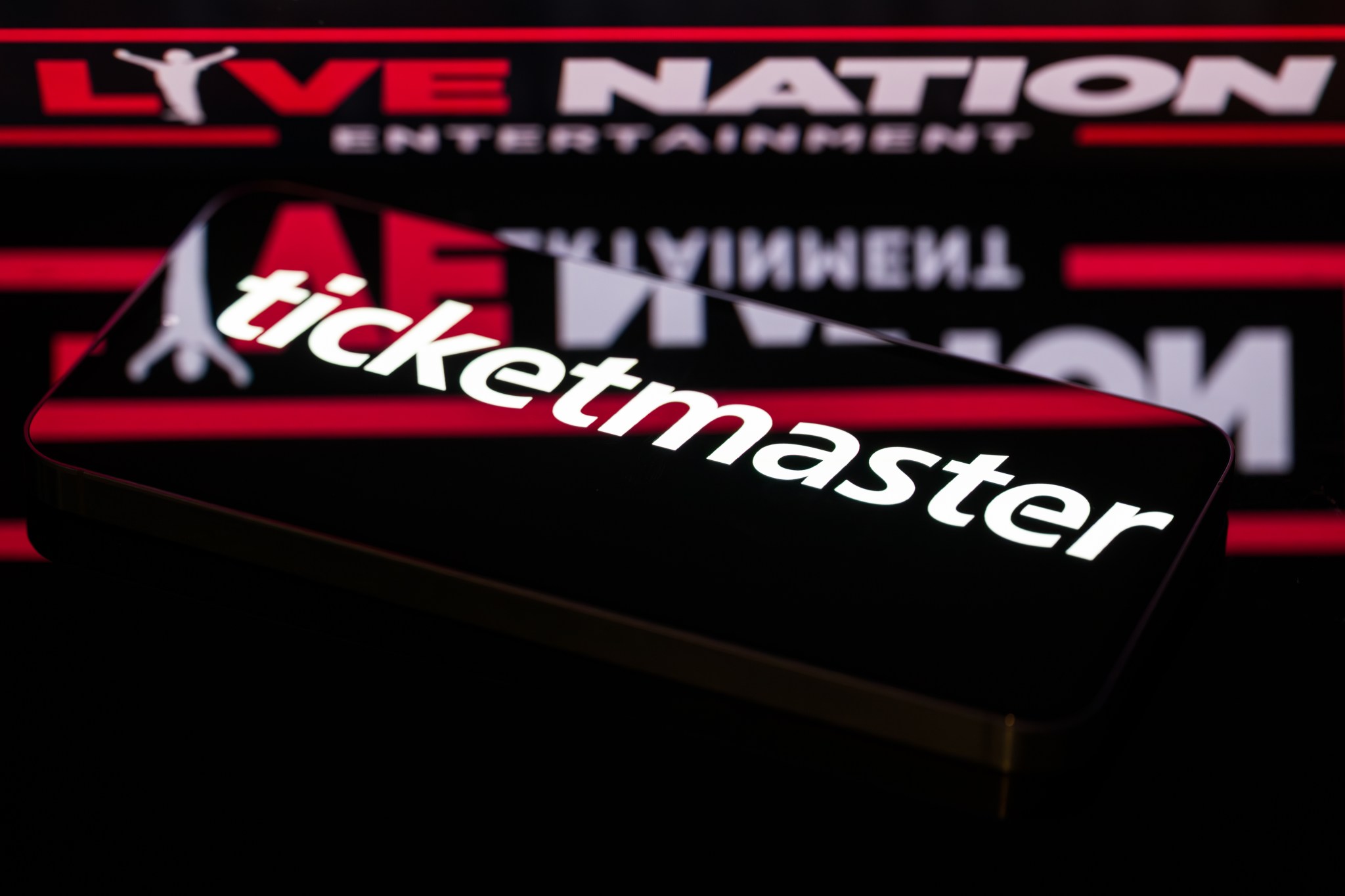
The United States Department of Justice has reached a preliminary agreement to settle its massive antitrust lawsuit against Live Nation Entertainment and its subsidiary, Ticketmaster. This deal aims to break up what the government calls an illegal monopoly and eventually lower ticket prices for fans across the country. While federal officials are praising the agreement as a major victory for consumers, a large group of states has refused to sign the deal. These states intend to continue their legal fight in court to seek even tougher penalties against the entertainment giant.
Main Impact
The primary goal of this settlement is to change how the live entertainment industry works in America. For years, fans have complained about high fees and the lack of choices when buying tickets for concerts and sporting events. If this deal is finalized, it will force Live Nation to give up some of its power by selling off parts of its business and opening its ticketing systems to other companies. This shift is intended to create more competition, which the government believes will lead to better service and lower costs for the general public. However, the refusal of many states to join the deal means the company still faces significant legal risks and a long road ahead in court.
Key Details
What Happened
The Department of Justice announced the tentative settlement on Monday morning, just as a trial was set to continue in a Manhattan federal court. Federal officials explained that the deal would provide immediate help to consumers and protect concert venues from being punished if they choose to work with other ticketing companies. Despite this announcement, the judge overseeing the case expressed frustration, calling it unacceptable that he was not informed of the deal until late Sunday night. While the federal government is ready to settle, the trial will move forward for the states that believe the current deal does not go far enough to fix the problems in the industry.
Important Numbers and Facts
Under the terms of the proposed settlement, Live Nation would be required to pay a fine of up to $280 million. Additionally, the company must sell at least 13 of its amphitheaters located across the United States. The deal also requires Live Nation to allow other ticketing companies to sell seats for events at its venues. This is a major change for a company that has dominated the market since Ticketmaster and Live Nation merged in 2010. Currently, more than 25 states and the District of Columbia have decided to stay in the lawsuit rather than accept these terms.
Background and Context
This legal battle began in 2024 under the Biden administration. The government argued that Live Nation used its massive size to bully the rest of the industry. According to the lawsuit, the company used threats and long-term contracts to make sure concert venues only used Ticketmaster. If a venue tried to use a different ticket seller, Live Nation would allegedly threaten to stop sending big-name artists to that location. This system made it almost impossible for new companies to compete. Over time, this lack of competition allowed ticket prices and fees to rise to levels that many fans found unfair. High-profile issues with ticket sales for stars like Taylor Swift and Bruce Springsteen brought even more attention to these problems, leading to public outcry and government action.
Public or Industry Reaction
The reaction to the settlement has been split. Federal officials called the deal a "win-win" that will bring fast changes to the market. However, many state leaders are not satisfied. New York Attorney General Letitia James stated that the deal fails to fix the actual monopoly at the center of the case. She and other attorneys general from states like California, Illinois, Pennsylvania, and Washington believe they have a strong enough case to win more concessions in court. They argue that simply paying a fine and selling a few venues is not enough to restore fair competition. Meanwhile, Live Nation has consistently argued that it does not control ticket prices, claiming that the artists and sports teams are the ones who decide how much fans pay.
What This Means Going Forward
The legal situation is now divided into two paths. The federal government will move toward finalizing its settlement, while the trial for the dissenting states is expected to resume next week. This means Live Nation will have to manage two different legal outcomes at the same time. For consumers, the impact might not be felt immediately. While the DOJ expects "immediate relief," it will take time for the company to sell its venues and for new competitors to enter the market. If the states win their part of the lawsuit, Live Nation could be forced to make even bigger changes, such as breaking the company apart entirely. Fans will be watching closely to see if these legal moves actually result in cheaper tickets and a better buying experience.
Final Take
This settlement marks a major moment in the government's effort to rein in big tech and entertainment giants. While the Department of Justice believes it has found a way to help fans quickly, the resistance from dozens of states shows that many people feel the current system is too broken for a simple fix. The outcome of the remaining trial will determine if the live music industry truly opens up or if one company continues to hold most of the power.
Frequently Asked Questions
Will ticket prices go down right away?
It is unlikely that prices will drop instantly. While the deal aims to lower costs by increasing competition, it will take time for Live Nation to sell its venues and for other companies to start competing for ticket sales.
Why are some states still suing Live Nation?
Many states believe the DOJ settlement is too weak. They want the court to force Live Nation to make bigger changes to ensure that the company can no longer use its size to block competition in the future.
What happens to Ticketmaster now?
Under the federal deal, Ticketmaster will remain part of Live Nation, but it will have to follow new rules. It must allow other companies to sell tickets for its events and cannot punish venues that choose to work with its rivals.