
Summary
A recent controversy involving the popular eyewear brand Lenskart has drawn significant attention after a political leader staged a protest inside one of its stores. Nazia Elahi Khan, a leader from the Bharatiya Janata Party (BJP), visited a Lenskart outlet to challenge the company’s reported dress code policies. The incident followed claims that the company had restricted employees from wearing religious symbols while at work. In response to the public outcry, Lenskart has issued an apology and promised to update its internal guidelines to be more inclusive of all faiths.
Main Impact
The main impact of this event is a shift in how major Indian corporations handle religious expression in the workplace. By visiting the store and performing a religious act, the political leader forced a public conversation about whether companies have the right to limit personal symbols of faith. This has led Lenskart to move away from a strict "neutral" dress code. The company now says it will actively welcome symbols of culture and religion, showing that corporate policies must often bend to respect local traditions and sentiments.
Key Details
What Happened
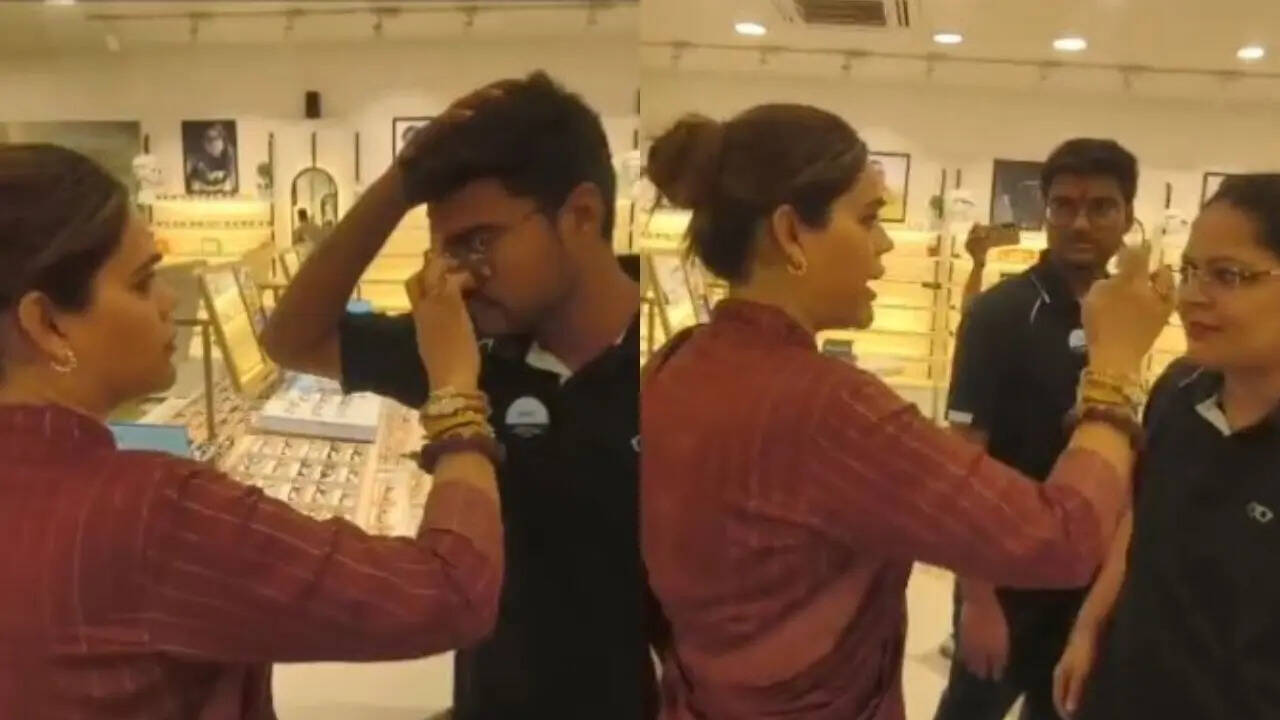
The situation began when reports surfaced online suggesting that Lenskart had implemented a dress code that discouraged or banned religious marks and attire. This included items like the tilak, which is a mark worn on the forehead by many Hindus, and other religious symbols. In a video that went viral on social media, BJP leader Nazia Elahi Khan is seen entering a Lenskart store. She spoke with the staff and proceeded to apply a tilak on their foreheads. She argued that employees should not be forced to hide their religious identity to keep their jobs.
Important Numbers and Facts
The incident quickly gained millions of views across various social media platforms. Following the backlash, Lenskart released an official statement to clarify its position. The company confirmed that it does not discriminate based on religion or culture. They stated that their previous guidelines might have been misunderstood and promised a full revision. The brand emphasized that they employ thousands of people across India and aim to create a workplace where everyone feels respected. No legal charges were filed following the store visit, but the brand's reputation faced a temporary dip in online sentiment scores.
Background and Context
In India, religious symbols are a deep part of daily life. Many people wear marks on their foreheads, threads on their wrists, or specific head coverings as a sign of their faith. In the corporate world, many companies try to follow a "Western" style of professional dress. This often means asking employees to look "neutral" or "uniform." However, this can sometimes be seen as a way to erase personal identity. This is not the first time a major brand has faced criticism for its dress code. In a diverse country like India, finding a balance between a professional look and religious freedom is a constant challenge for human resources departments.
Public or Industry Reaction
The reaction to the video was mixed. Many people on social media praised the leader for standing up for religious rights. They felt that a company should not tell an employee how to practice their faith. On the other hand, some people felt that political leaders should not interfere with how private businesses are run. Industry experts noted that this event serves as a warning to other brands. It shows that in the age of social media, a single policy can quickly become a national news story if it is perceived as insensitive to the culture of the people.
What This Means Going Forward
Going forward, Lenskart will likely be much more careful with its employee handbooks. The company has already started the process of rewriting its rules to ensure they are clear and welcoming. For the wider business world, this incident highlights the need for "cultural intelligence." Companies need to understand the values of their workers and the public. We may see more brands adopting "inclusive" dress codes rather than "neutral" ones. This means allowing religious symbols as long as they do not interfere with safety or the ability to do the job.
Final Take
This event shows that workplace rules are about more than just clothes or appearance. They are about respect and identity. When a company tries to enforce a strict uniform, it must be careful not to step on the personal beliefs of its staff. Lenskart’s quick apology and promise to change show that they value their customers and employees more than a rigid dress code. It is a reminder that in a modern society, diversity should be celebrated rather than hidden behind a corporate mask.
Frequently Asked Questions
Why did the BJP leader visit the Lenskart store?
Nazia Elahi Khan visited the store to protest against reports that Lenskart was banning employees from wearing religious symbols like the tilak. She applied the mark on staff members to show support for religious freedom.
What was Lenskart's response to the controversy?
Lenskart apologized for any confusion and stated that they welcome all symbols of faith and culture. They promised to revise their dress code guidelines to make sure they are inclusive of everyone.
Is it legal for companies in India to ban religious symbols?
While private companies can set dress codes, they must be careful not to violate constitutional rights or labor laws regarding discrimination. Most companies choose to allow religious symbols to avoid legal and social issues.



