
Summary
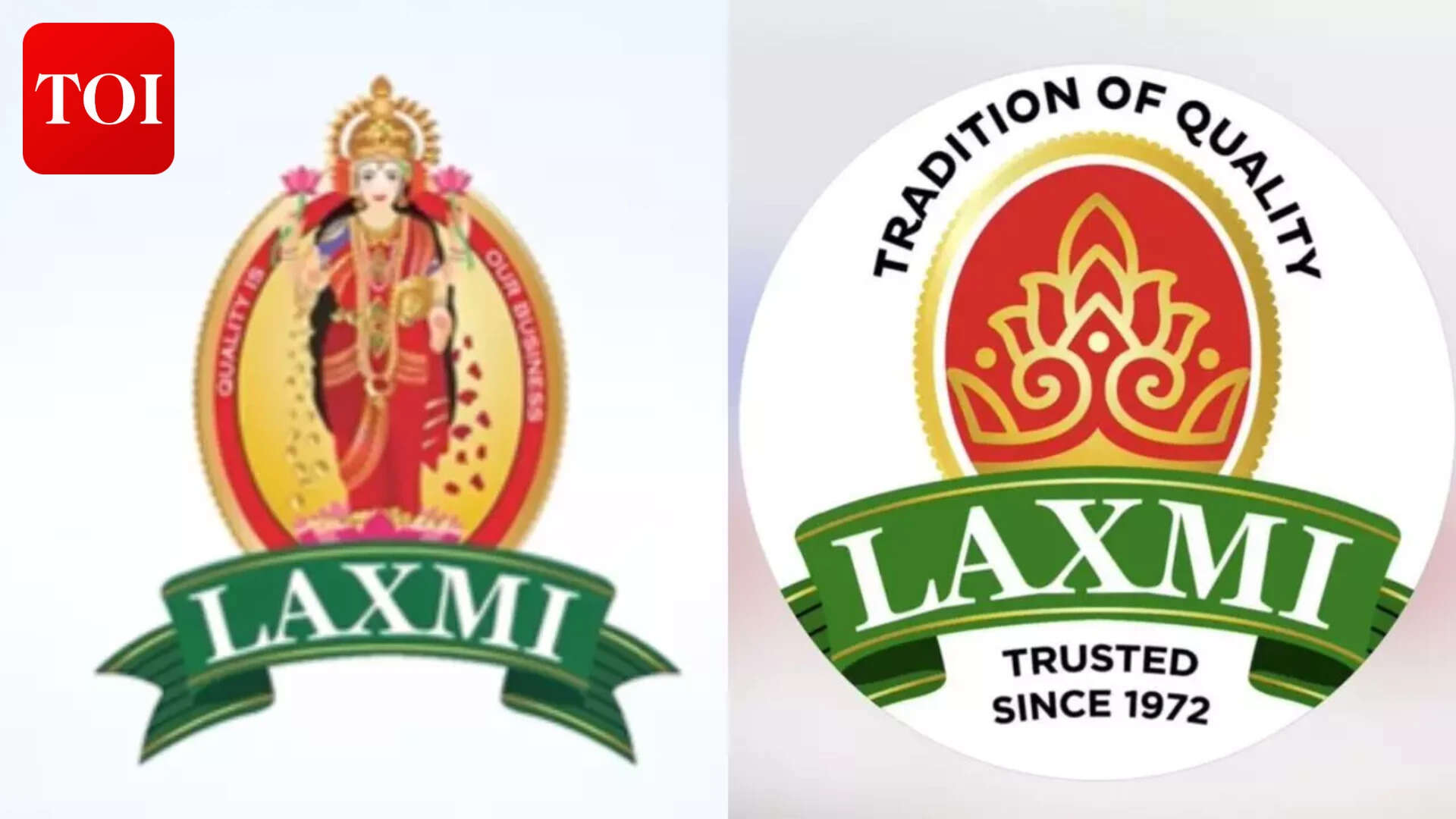
A well-known brand with Indian roots is currently at the center of a major social media storm. The company decided to remove the image of the Hindu goddess Laxmi from its product packaging. Reports suggest the brand made this change to avoid upsetting people who might be offended by religious symbols. However, this move has caused a massive wave of anger among many customers who feel the brand is turning its back on its cultural heritage.
Main Impact
The decision to change the packaging has led to an immediate and strong backlash online. Thousands of people are calling for a boycott of the brand's products. This situation shows how difficult it can be for companies to balance modern marketing with traditional values. Instead of avoiding a problem, the brand has found itself in a much larger controversy that could hurt its sales and reputation for a long time.
Key Details
What Happened
The brand, which has built its identity over many years using traditional Indian symbols, recently updated its look. During this update, the image of Goddess Laxmi was taken off the boxes and labels. Goddess Laxmi is the Hindu deity of wealth, fortune, and prosperity. For many Indian businesses, using her image is a way to show respect and seek success. When customers noticed the change, they began asking why the image was gone. The response that the move was made to avoid "offending" certain groups quickly went viral, sparking outrage.
Important Numbers and Facts
Within just 24 hours of the news breaking, hashtags related to boycotting the brand began trending on platforms like X and Instagram. Thousands of posts were shared, with many users showing photos of themselves throwing away the brand's products. While the company has not released an official statement regarding the exact number of complaints, the volume of social media mentions suggests that millions of people have seen the news. This is a significant issue for a brand that relies heavily on the Indian community both at home and abroad.
Background and Context
In Indian culture, it is very common for businesses to use religious names or images. This is not just about religion; it is about a sense of identity and tradition. Many people believe that having a divine image on a shop sign or a product brings good luck. However, in recent years, some brands have tried to become more "global" or "neutral." They worry that religious symbols might make some international customers uncomfortable. This often leads to a clash between a brand's original fans and its new business goals. In this case, the brand's attempt to be "inclusive" was seen by many as a sign of weakness or a lack of respect for its own roots.
Public or Industry Reaction
The reaction from the public has been mostly negative. Many people feel that the brand is being "cowardly" by trying to please everyone. They argue that if a brand started with a specific cultural identity, it should stand by it. On the other side of the debate, some people argue that religious images should not be on packaging at all. They point out that once a product is used, the packaging is often thrown in the trash, which can be seen as disrespectful to the deity. However, the majority of the current online conversation is focused on the idea that the brand is "hiding" its identity to avoid criticism from groups that do not like Hindu symbols.
What This Means Going Forward
This incident serves as a warning for other companies with strong cultural ties. In the age of social media, every small change is noticed and discussed. If a brand wants to change its image, it must do so very carefully. Going forward, this company will likely need to decide whether to bring the image back or stick with its new design. If they bring it back, they might look like they are only doing it because of the pressure. If they do not, they risk losing a large portion of their loyal customer base. Other brands will be watching closely to see how this situation is handled.
Final Take
A brand's identity is its most valuable asset. When a company tries to change who it is just to avoid a small amount of potential criticism, it often ends up facing a much bigger problem. Respecting all people is important, but it should not come at the cost of erasing one's own history and culture. The lesson here is clear: stay true to your roots, or you might find that you have no ground to stand on at all.
Frequently Asked Questions
Why did the brand remove the Laxmi idol?
The brand reportedly removed the image to avoid offending people who might have negative feelings toward religious symbols on commercial products.
Why are people calling for a boycott?
Many customers feel that removing the image is a sign of disrespect toward Indian culture and Hindu traditions. They believe the brand is trying to hide its identity to please a specific group of people.
What is the common argument for not having religious images on packaging?
Some people believe that religious images should not be on boxes or bags because those items eventually end up in the garbage, which is seen as a form of disrespect to the deity shown.

