
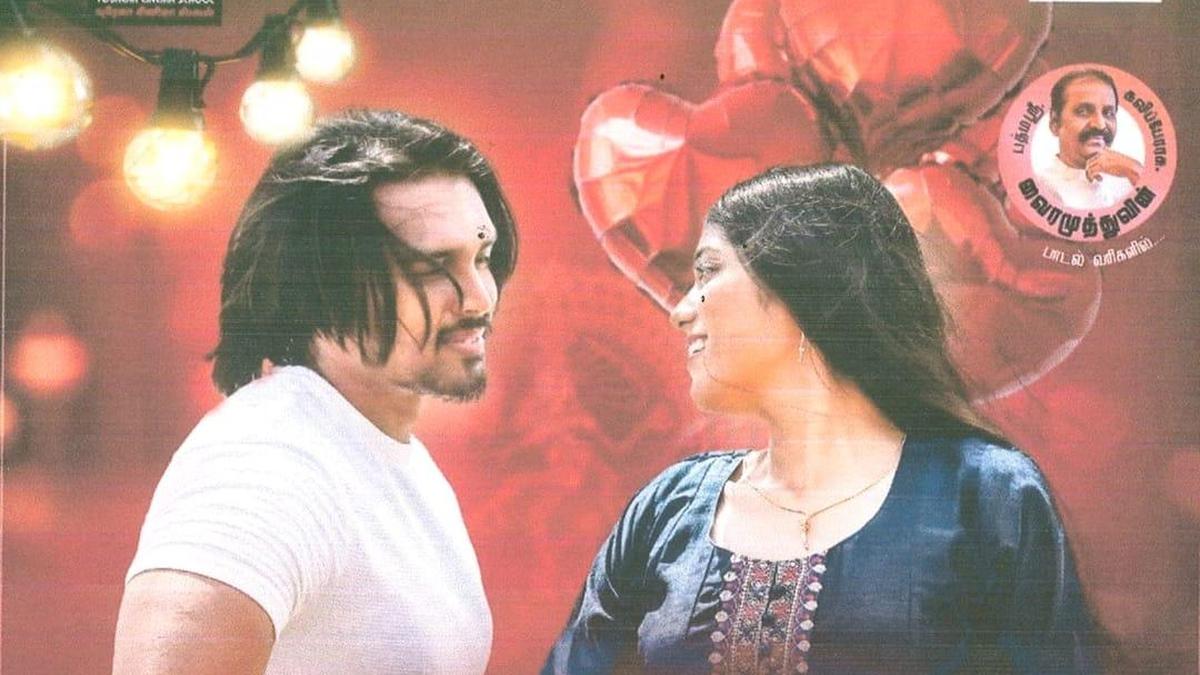
Summary
The Madras High Court is currently reviewing a legal battle over the Tamil movie titled Lakshmi Lawrence Kadhal. The film has faced significant hurdles after the Central Board of Film Certification, commonly known as the censor board, refused to grant it a screening certificate. In a notable move, Justice R. Kalaimathi personally watched the movie using a pen drive to better understand the content in question. After viewing the film and hearing arguments, the court has reserved its final order, meaning a decision will be announced at a later date.
Main Impact
This case is important because it deals with the balance between artistic freedom and government rules. When the censor board blocks a film, it prevents the creators from showing their work in theaters or on television. By taking the case to the High Court, the filmmakers are seeking a legal path to release their project. The judge’s decision to watch the film directly shows that the court wants to make an informed choice rather than relying only on written reports. This outcome could influence how other independent films are treated when they face similar rejections from authorities.
Key Details
What Happened
The makers of Lakshmi Lawrence Kadhal applied for a certificate from the Central Board of Film Certification (CBFC). This certificate is a legal requirement for any movie intended for public viewing in India. However, the board declined to issue the certificate, effectively banning the film from a standard release. The producers decided to challenge this refusal by filing an appeal in the Madras High Court. During the court proceedings, the judge decided that the best way to evaluate the situation was to see the movie. A pen drive containing the film was provided to the court, and Justice R. Kalaimathi watched it before finishing the hearing.
Important Numbers and Facts
The legal proceedings took place in the Madras High Court, one of the oldest and most influential courts in India. The primary figure in this stage of the case is Justice R. Kalaimathi. While the specific reasons for the initial rejection by the CBFC have not been fully detailed to the public, such rejections usually happen due to concerns over sensitive themes, language, or specific scenes. The court has now "reserved orders," which is a legal term meaning the judge has finished listening to both sides and will take time to write a final judgment. This period of waiting is common in complex cases involving media and free speech.
Background and Context
In India, the CBFC is responsible for reviewing films and giving them ratings like "U" for universal viewing or "A" for adults. If the board feels a movie violates certain guidelines, they can ask for cuts or refuse a certificate entirely. Filmmakers often feel that these rules are too strict and limit their ability to tell stories. When a movie is blocked, the creators lose a lot of money because they cannot sell tickets or streaming rights. This is why many directors and producers turn to the court system. They hope a judge will see their work as a form of expression that deserves to be seen by the public. The use of a pen drive in court also highlights how technology is changing the way legal cases are handled, allowing judges to view digital evidence easily.
Public or Industry Reaction
The film industry often watches these cases closely. Many directors believe that the censor board should only give ratings rather than cutting scenes or banning films. While there has not been a massive public protest regarding this specific movie, the case has sparked discussions among film fans and legal experts. People are curious to know what content was so controversial that it led to a total refusal of a certificate. Within the Tamil film industry, there is a general hope that the court will support the filmmakers, as a positive ruling would make it easier for other creative projects to reach the screen without fear of being silenced.
What This Means Going Forward
The upcoming ruling will decide the future of Lakshmi Lawrence Kadhal. If the judge rules in favor of the filmmakers, the CBFC may be forced to issue a certificate, perhaps with specific conditions or a certain age rating. If the court agrees with the censor board, the filmmakers might have to edit the movie significantly or try to appeal to a higher court, such as the Supreme Court. This case also serves as a reminder to the CBFC that their decisions can be checked by the legal system. It encourages filmmakers to stand up for their work if they believe the censorship is unfair. In the long run, this could lead to more transparency in how movies are reviewed and approved in the country.
Final Take
The situation surrounding Lakshmi Lawrence Kadhal is a clear example of the struggle between creative artists and regulatory bodies. By watching the film personally, the Madras High Court has shown a commitment to fairness. The final decision will be a major moment for the movie's team and could provide a clearer path for other films facing similar challenges. Everyone involved is now waiting for the court to deliver its judgment, which will determine if this story finally gets to be told in theaters.
Frequently Asked Questions
Why was the movie Lakshmi Lawrence Kadhal in court?
The movie was in court because the censor board (CBFC) refused to give it a certificate for public release. The filmmakers appealed this decision to the Madras High Court to get permission to show their film.
What does it mean when a judge "reserves orders"?
It means the judge has heard all the arguments and finished the trial but will take some time to think about the facts before giving a final written decision.
How did the judge watch the movie?
Justice R. Kalaimathi watched the movie using a pen drive provided by the filmmakers. This allowed the judge to see the actual content of the film before making a ruling on the censorship issue.



