Summary
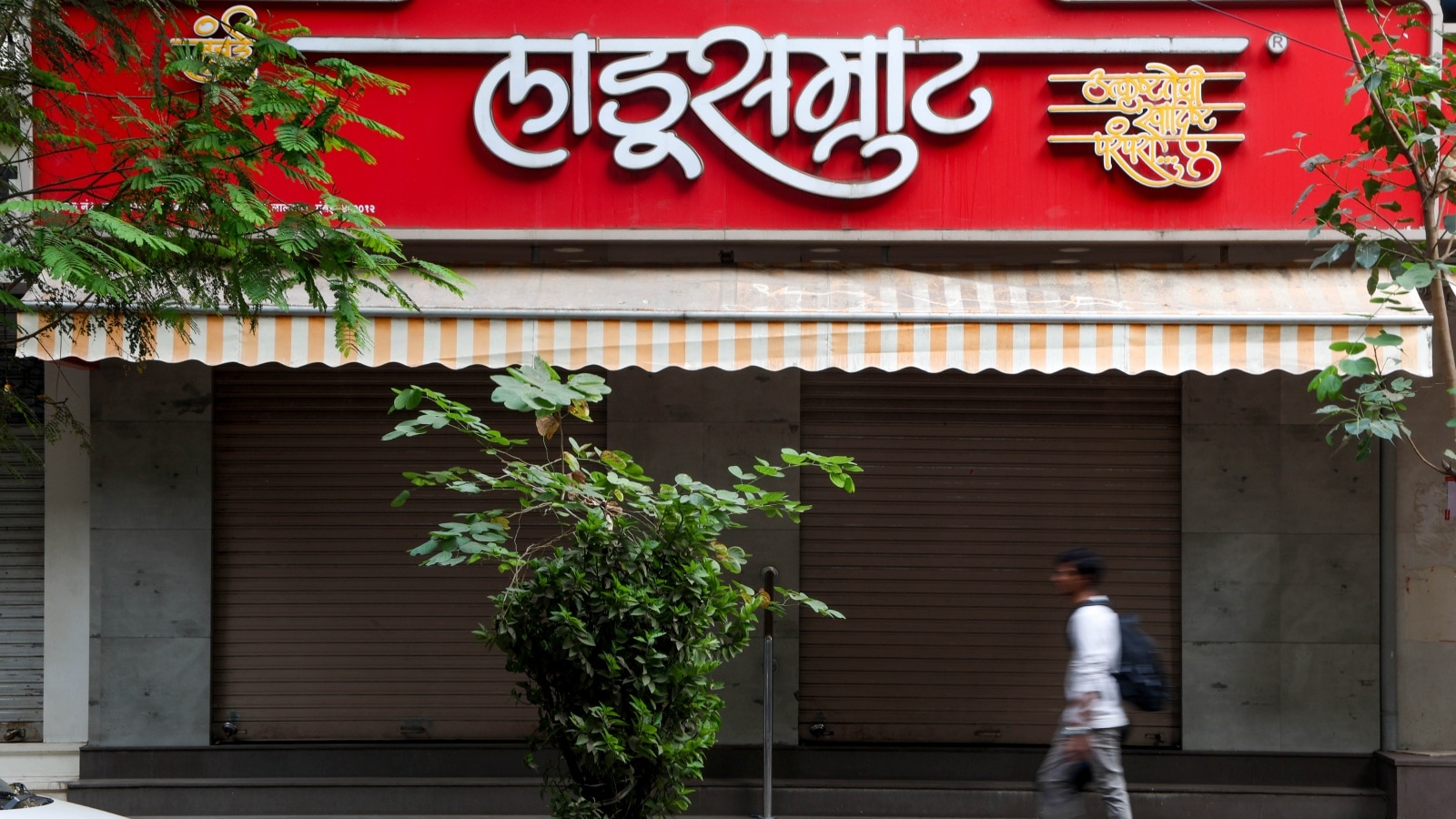
Ladu Samrat, one of Mumbai’s most famous food spots, has been forced to stop its kitchen operations due to a sudden shortage of cooking gas. The iconic eatery, located in the Parel area, is known for its traditional Maharashtrian snacks and has served thousands of customers daily for decades. This unexpected shutdown has sparked concerns about the wider LPG supply chain in the city. For many locals, the temporary closure of this landmark is a sign of how fuel delivery issues can disrupt even the most successful businesses.
Main Impact
The primary impact of this crisis is the immediate loss of service for thousands of regular commuters and residents who rely on the shop for affordable meals. Ladu Samrat is not just a restaurant; it is a cultural landmark in Mumbai. When a business of this size stops working, it affects everyone from the kitchen staff to the delivery partners and the local suppliers who provide fresh ingredients every morning. The closure also highlights a growing problem for small and medium-sized food businesses that depend on a steady supply of Liquefied Petroleum Gas (LPG) to keep their stoves burning.
Key Details
What Happened
The management of Ladu Samrat announced that they had to halt cooking because their stock of commercial gas cylinders ran out. Despite placing orders in advance, the delivery did not arrive on time. Without gas, the kitchen cannot prepare its signature dishes like Vada Pav, Misal Pav, or Sabudana Vada. While some dry snacks and sweets remain available on the shelves, the heart of the business—the hot food counter—has gone cold. This is the first time in many years that the shop has faced such a specific operational hurdle.
Important Numbers and Facts
Ladu Samrat has been a staple of the Parel and Lalbaug area for over 50 years. On a typical day, the shop serves hundreds of Vada Pavs every hour during peak times. The business uses large commercial LPG cylinders, which are different from the ones used in homes. These commercial tanks are more expensive and require a specialized delivery system. Industry experts note that even a two-day delay in delivery can cause a major food hub to lose hundreds of thousands of rupees in sales. Currently, several other smaller eateries in the neighborhood are also reporting delays in their gas refills, suggesting a localized supply bottleneck.
Background and Context
To understand why this matters, one must understand the place Ladu Samrat holds in Mumbai’s history. Founded decades ago, it became the go-to spot for workers in the old textile mills of Parel. Even as the mills turned into luxury malls and office towers, the shop remained a symbol of the city's traditional flavors. In Mumbai, food is a fast-moving business. Most kitchens do not have space to store a large surplus of fuel due to safety rules. This means they rely on "just-in-time" deliveries. When the supply chain breaks, the kitchen stops almost instantly. This event shows how vulnerable the city's food culture is to basic utility problems.
Public or Industry Reaction
The reaction from the public has been a mix of surprise and frustration. Regular customers who arrived for their morning breakfast were met with "no hot food" signs. On social media, fans of the eatery shared their disappointment, with many calling on authorities to fix the gas distribution issues. Food industry groups have also spoken out, noting that the cost of commercial gas has been rising, and delivery delays make it even harder for honest businesses to survive. Many people are worried that if a giant like Ladu Samrat can be shut down by a gas shortage, smaller shops might be in even deeper trouble.
What This Means Going Forward
In the short term, Ladu Samrat is working with suppliers to get their kitchen back to normal as soon as possible. However, this incident serves as a warning for the entire restaurant industry in Mumbai. Business owners may now look for backup options, such as electric induction cooking or keeping a larger emergency stock of fuel, where safety laws allow. For the city government, this is a reminder that the infrastructure for fuel delivery must be reliable to support the local economy. If these shortages continue, we might see more of our favorite food spots closing their doors unexpectedly.
Final Take
The silence of the kitchens at Ladu Samrat is a rare and sad sight for the people of Mumbai. It proves that no matter how famous or old a business is, it still depends on basic resources like cooking gas to function. This situation is a call for better management of essential supplies. Hopefully, the stoves will be lit again soon, and the smell of fresh Vada Pav will return to the streets of Parel. Until then, it remains a stark example of how a simple break in the supply chain can bring a local giant to a standstill.
Frequently Asked Questions
Why did Ladu Samrat close its kitchen?
The kitchen had to stop operating because it ran out of LPG (cooking gas) and did not receive its scheduled delivery of new cylinders on time.
Is the shop completely closed?
While the hot food service is paused, the shop may still sell pre-packaged snacks and sweets that do not require immediate cooking, but the main menu is currently unavailable.
When will Ladu Samrat start serving Vada Pav again?
The management is working to secure a fresh supply of gas. They expect to resume full operations as soon as the delivery trucks arrive and the safety checks are completed.