
Summary
Ladakh is preparing for a major event on April 30 that combines deep religious faith with urgent political demands. The sacred relics of Lord Buddha are traveling from the National Museum in New Delhi to Leh for a special public display. At the same time, India’s Home Minister, Amit Shah, is expected to visit the region for two days. This timing has turned a spiritual moment into a significant political event as local leaders push for statehood and better legal protections for their land and culture.
Main Impact
The arrival of the Buddha relics brings a message of peace to a region that has been dealing with political unrest for years. However, the presence of the Home Minister has shifted the focus toward the long-standing demands of the local people. For the residents of Ladakh, this visit is a rare chance to get direct answers from the central government about their future. The outcome of this visit could decide whether the region moves toward stability or faces more protests and dissatisfaction.
Key Details
What Happened
The sacred relics of Lord Buddha will arrive in Leh on April 30 and will be available for the public to see from May 1 to May 15. This is the first time these specific relics have been displayed in this way within India. The event coincides with Buddha Purnima, which celebrates the birth of Lord Buddha. While the religious community prepares for these ceremonies, political groups are organizing to meet with Home Minister Amit Shah during his stay.
Important Numbers and Facts
The display will last for 15 days, starting on the first of May. Politically, the region has seen big changes recently. The government recently increased the number of districts in Ladakh from two to seven. These new districts are Leh, Kargil, Zanskar, Drass, Sham, Nubra, and Changthang. Additionally, a special committee meeting to discuss Ladakh’s future has been scheduled for May 22, which is the first such meeting in four months.
Background and Context
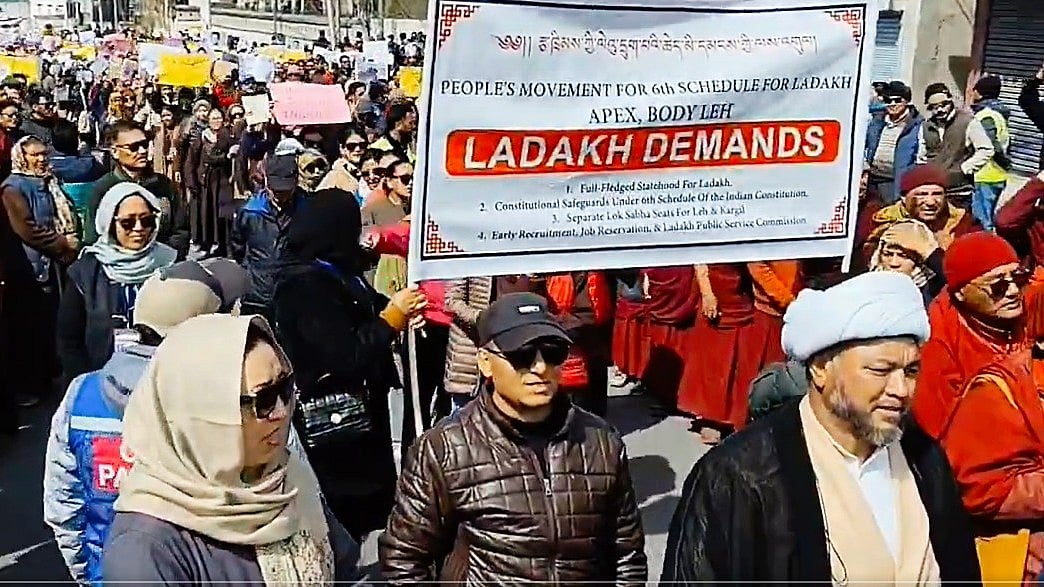
In 2019, the Indian government changed the status of Ladakh, making it a Union Territory. Unlike many other regions, Ladakh was not given its own legislature, meaning local people do not have a direct way to make their own laws. Since then, two main groups—the Leh Apex Body and the Kargil Democratic Alliance—have been leading a movement for change. They want Ladakh to become a full state and be included in the Sixth Schedule of the Constitution. This would give the local tribal population more power to protect their land, jobs, and unique cultural identity from outside influence.
Public or Industry Reaction
Local leaders in Leh and Kargil have expressed mixed feelings about the government's recent actions. While they welcome the creation of new districts, many feel it is a distraction from their main goals. They argue that meetings with mid-level officials have not worked because those officials do not have the power to make big political decisions. The local groups are now insisting on talking directly to the Home Minister. They believe that only a high-level political commitment can solve the current standoff and provide the constitutional safety they are seeking.
What This Means Going Forward
The next few weeks are critical for the relationship between Ladakh and the central government. If the Home Minister uses his visit to engage in real talks with local leaders, it could lead to a peaceful resolution. If the visit remains purely ceremonial, the sense of frustration in the region may grow. The scheduled meeting on May 22 will be a key indicator of whether the government is serious about addressing the demands for statehood or if the current state of uncertainty will continue.
Final Take
Ladakh currently stands at a crossroads where ancient traditions meet modern political struggles. While the sacred relics offer a sense of spiritual calm, the demand for political rights remains loud and clear. The people of Ladakh are looking for more than just administrative changes; they are seeking a permanent place in the country's constitutional framework that respects their identity and their voice.
Frequently Asked Questions
Why are the Buddha relics being brought to Ladakh?
The relics are being brought to Leh for a public display to mark Buddha Purnima and to spread a message of peace and harmony. It is a major spiritual event for the Buddhist community in the region.
What are the main political demands in Ladakh?
The people of Ladakh are asking for full statehood and protection under the Sixth Schedule of the Indian Constitution. They want to ensure that their land, jobs, and culture are protected by law.
How has the administration of Ladakh changed recently?
The government recently announced the creation of five new districts, bringing the total number of districts in Ladakh to seven. This was done to improve local governance, though some local leaders want more significant political changes.

