
Summary
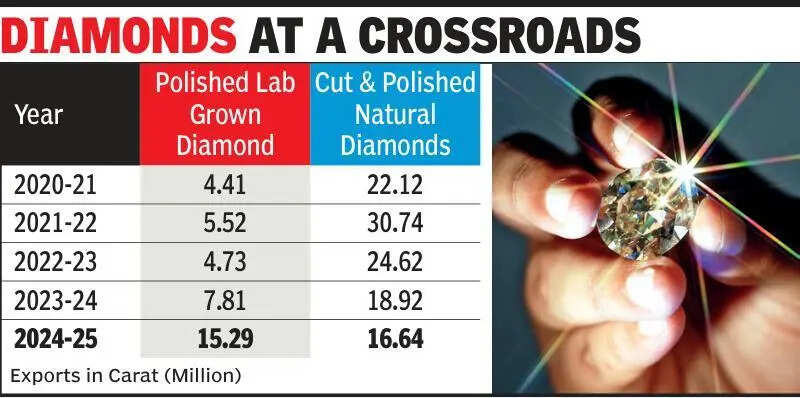
The global diamond industry is going through a major change as lab-grown diamonds (LGDs) become more popular. This shift is directly affecting the traditional natural diamond market, leading to a smaller number of authorized buyers, known as sightholders. As consumer habits change and the demand for mined diamonds fluctuates, major mining companies are expected to reduce their list of official partners. This trend marks a significant turning point for the diamond trade, especially in major processing hubs like Surat, India.
Main Impact
The rise of lab-grown diamonds is forcing the natural diamond industry to get smaller. For decades, being a sightholder was a sign of prestige and financial power. Now, many companies are finding it hard to maintain the high standards and large purchase requirements set by mining giants like De Beers. The main impact is a shrinking base of natural diamond players, which could lead to a more consolidated market where only the largest and most financially stable firms survive.
Key Details
What Happened
Mining companies sell their rough, unpolished diamonds to a specific group of companies called sightholders. These sightholders must follow strict rules and commit to buying large amounts of diamonds at set times throughout the year. However, because lab-grown diamonds are much cheaper, many customers are choosing them over natural stones. This has caused the price of natural diamonds to drop and has made it difficult for sightholders to sell their stock at a profit. As a result, many are choosing to give up their sightholder status or are being removed because they cannot meet the buying targets.
Important Numbers and Facts
In the past, the number of sightholders for major miners stayed steady, often including around 70 to 80 large firms globally. Industry experts now predict this number will drop significantly during the next contract period. In Surat, which polishes nearly 90% of the world's diamonds, dozens of units have already shifted their focus. The price of lab-grown diamonds has fallen by more than 20% to 30% in recent years, making them much more attractive to younger buyers. This price gap has put immense pressure on the profit margins of companies that deal only in natural stones.
Background and Context
To understand why this is happening, it is important to know what a sightholder is. Think of them as VIP members of a club who get the first pick of diamonds from the mines. In exchange for this access, they must buy diamonds even when the market is slow. For a long time, this was a very profitable business. However, technology has changed the game. Scientists can now grow diamonds in a lab that look exactly like those found in the earth. These lab-grown stones are real diamonds, but they cost a fraction of the price. Because they are more affordable and seen as more eco-friendly by some, they have taken a large portion of the market away from traditional miners.
Public or Industry Reaction
The reaction within the industry is mixed. Some traditional diamond dealers are worried that the prestige of natural diamonds is fading. They argue that natural diamonds hold their value better over time. On the other hand, many manufacturers in India have embraced the change. They have started installing machines to grow diamonds locally, reducing their dependence on expensive imports from foreign mines. Trade bodies are also calling for clearer labeling so that customers know exactly what they are buying. There is a general feeling that the industry must adapt or risk losing a whole generation of customers who care more about price and ethics than tradition.
What This Means Going Forward
Moving forward, the diamond market will likely split into two distinct paths. Natural diamonds will likely become even more of a luxury item, sold at high prices to a smaller group of wealthy buyers. Meanwhile, lab-grown diamonds will dominate the general jewelry market for engagement rings and fashion pieces. For the companies in Surat and other parts of the world, this means they must decide which path to take. Many will likely become "hybrid" players, dealing in both types of stones to stay in business. The reduction in the number of sightholders will also mean that mining companies will have to be more flexible with their remaining partners to keep the natural diamond supply chain moving.
Final Take
The diamond industry is no longer a monopoly controlled by a few mining companies. The success of lab-grown diamonds has broken the old system, and the shrinking number of sightholders is proof of this shift. While natural diamonds will always have a place in the world, the industry is becoming leaner and more focused. Companies that can balance the tradition of mined stones with the innovation of lab-grown technology are the ones that will thrive in this new era.
Frequently Asked Questions
What is a diamond sightholder?
A sightholder is a company authorized to buy rough diamonds directly from major mining companies like De Beers. They are part of an exclusive group that gets regular access to diamond supplies.
Why is the number of sightholders decreasing?
The number is falling because the demand for natural diamonds has slowed down. Many companies can no longer afford the high costs and large purchase commitments required to stay in the sightholder program.
Are lab-grown diamonds real diamonds?
Yes, lab-grown diamonds have the same physical, chemical, and optical properties as natural diamonds. The only difference is that they are made in a factory rather than formed deep inside the earth over millions of years.



