
Summary
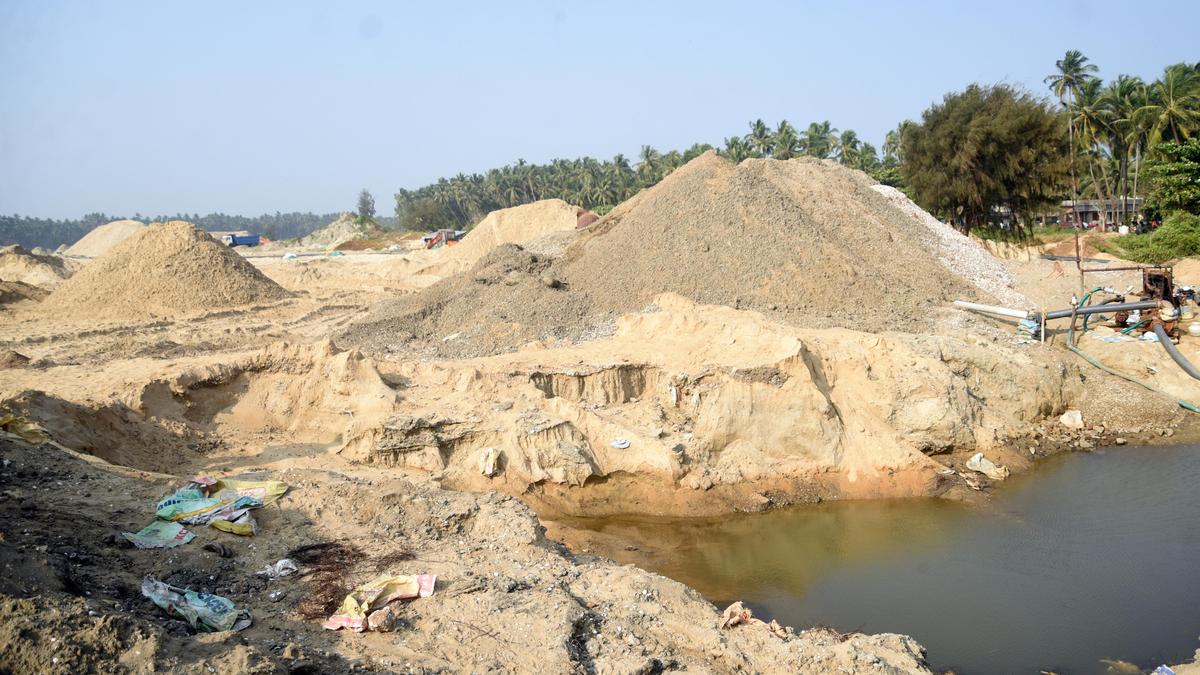
The dredging work at the Korapuzha river will remain on hold following a high-level meeting between government officials and local leaders. This decision comes after residents raised serious concerns about the environmental impact of removing sand from the riverbed. The suspension aims to prevent further damage to the riverbanks and protect the local ecosystem until a better plan is in place. This move highlights the ongoing struggle to balance industrial needs with environmental safety.
Main Impact
The decision to keep dredging suspended has a direct effect on both the environment and the local economy. By stopping the work, the government is preventing potential soil erosion that could lead to the collapse of riverbanks. However, this also means that the supply of sand for construction projects in the region will be limited. The pause shows that the authorities are prioritizing the safety of the people living near the river over the immediate need for sand and silt removal.
Key Details
What Happened
A high-level meeting was recently organized to discuss the future of the Korapuzha dredging project. The meeting included top officials from the irrigation department, local politicians, and representatives from the community. During the discussion, it was revealed that the current dredging methods were causing the water level in nearby wells to drop. Residents also reported that the land near the river was becoming unstable. Based on these reports, the officials decided that the work could not continue in its current form.
Important Numbers and Facts
The dredging project was originally designed to remove thousands of cubic meters of silt to improve the flow of the river. This was intended to reduce the risk of flooding during the heavy monsoon rains. However, local groups pointed out that the depth of the river had already changed significantly in certain areas. The meeting concluded that a fresh study is required to see how much sand can safely be removed without hurting the environment. Until this study is finished, all machinery will stay idle, and no new permits for sand removal will be given for this specific area.
Background and Context
The Korapuzha river is a vital water source for many people in the Kozhikode district. For years, dredging has been used as a tool to keep the river healthy and prevent it from overflowing. When a river gets filled with too much sand and mud, it cannot hold as much water, which leads to floods. However, sand is also a valuable material for building houses and roads. This creates a high demand for dredging. In recent years, many people have worried that the dredging is being done too quickly or in the wrong spots, which can ruin the natural balance of the water and the land around it.
Public or Industry Reaction
Local environmental activists have welcomed the decision to stop the work. They believe that the river has been over-exploited for a long time and needs a break to recover. Many families living along the banks expressed relief, as they were worried about their homes sliding into the water. On the other side, the construction industry is concerned. Builders say that stopping the dredging will make sand more expensive and slow down building projects. They are asking the government to find a middle ground that allows for some sand removal while keeping the river safe.
What This Means Going Forward
The next step involves a detailed scientific survey of the riverbed. Experts will look at how the previous dredging affected the water flow and the stability of the banks. The government is expected to create new rules for how and where dredging can happen. These rules will likely include stricter limits on how deep the machines can dig. There is also a plan to involve local community members in monitoring the work once it eventually restarts. This will help ensure that the rules are followed and that the river is protected for future generations.
Final Take
Protecting our natural resources is just as important as building new infrastructure. The suspension of dredging at Korapuzha is a necessary step to ensure that the river remains a safe and helpful resource for everyone. While it may cause some short-term delays in construction, the long-term safety of the environment and the local community must come first. This situation serves as a reminder that development should never come at the cost of the earth's health.
Frequently Asked Questions
Why was the dredging at Korapuzha stopped?
The work was stopped because local residents and environmental groups were worried about riverbank erosion and falling water levels in nearby wells. A high-level meeting decided to pause the work to prevent further damage.
How does dredging affect the local community?
Dredging can help prevent floods by clearing the river, but if done poorly, it can cause the ground to become unstable and ruin the local water supply. It also provides sand for the construction industry.
When will the dredging start again?
There is no set date for the work to restart. It will remain suspended until a new scientific study is completed and new safety rules are put in place by the government.



