
Summary
Kolleru Lake, one of the largest freshwater lakes in India, is facing a severe crisis due to human activity and illegal land use. Environmental activist Bolisetty Satyanarayana has raised an alarm over the rapid shrinking of the lake's natural area. Recent data shows that more than half of the lake's original size has been taken over by fish farming and illegal buildings. This change threatens the local environment, the wildlife that depends on the water, and the safety of nearby villages.
Main Impact
The most significant impact of this degradation is the loss of natural flood control and the destruction of a vital ecosystem. When a lake shrinks by such a large margin, it can no longer hold excess rainwater during the monsoon season. This increases the risk of flooding for people living in the surrounding areas. Additionally, the chemicals used in fish farming are polluting the remaining fresh water, making it difficult for native plants and animals to survive.
Key Details
What Happened
Bolisetty Satyanarayana, the national leader of an organization called Jal Biradari, recently shared worrying statistics about the state of Kolleru Lake. He pointed out that the lake is being systematically destroyed by "encroachment," which means people are moving onto protected land and using it for their own purposes. Most of this land is being turned into artificial ponds for raising fish and prawns, a practice known as aquaculture. These ponds block the natural flow of water and change the very nature of the lake.
Important Numbers and Facts
The scale of the loss is revealed when comparing historical records with current conditions. In 1975, the lake covered an area of approximately 222,600 acres. Today, about 128,000 acres of that space have been occupied by fish tanks or illegal structures. This means that nearly 57% of the lake's original footprint has been modified or taken over by human interests. These figures highlight a massive shift in land use over the last five decades.
Background and Context
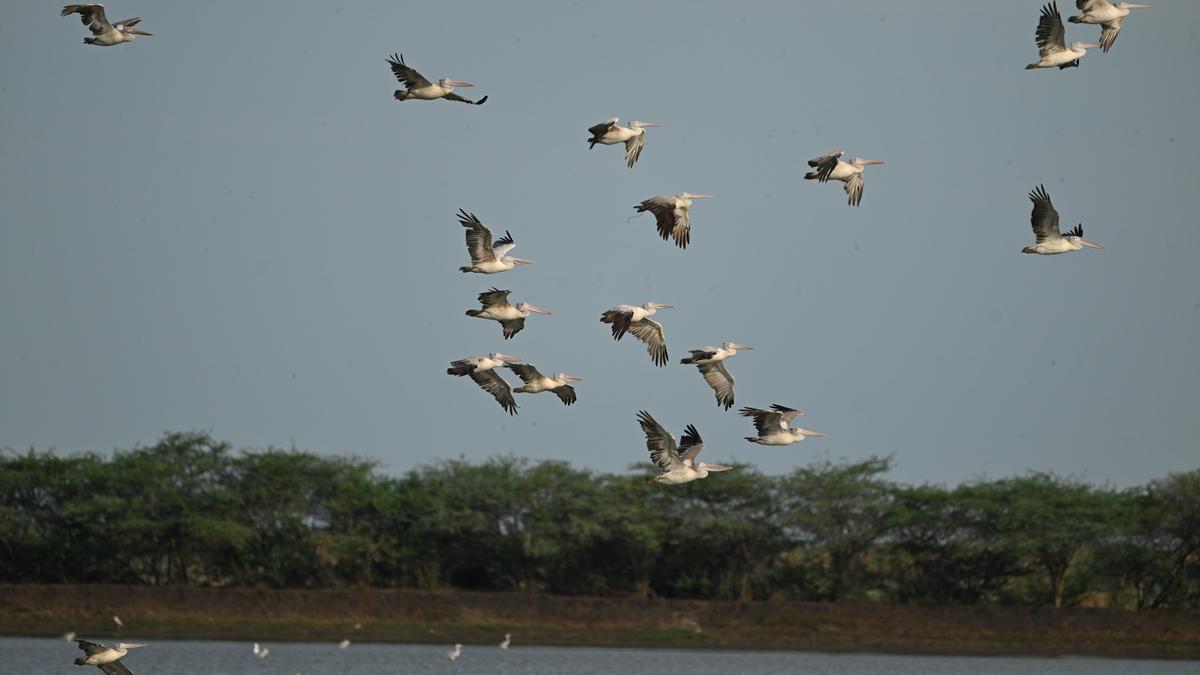
Kolleru Lake is located in Andhra Pradesh, sitting between the Krishna and Godavari rivers. It is famous for being a major stop for migratory birds that fly thousands of miles from places like Siberia to spend the winter in India. Because of its ecological importance, it was designated as a protected wetland under international agreements. However, despite these protections, the lure of profit from fish farming has led to constant pressure on the lake's boundaries. For years, activists have fought to keep the lake at a certain water level to protect the birds and the local fishing communities who use traditional, sustainable methods.
Public or Industry Reaction
Environmental groups are calling for the government to take immediate action to remove illegal fish ponds and restore the lake to its former size. While the aquaculture industry provides jobs and money for the region, many experts argue that this wealth comes at a high cost to nature. Local traditional fishermen have also expressed worry, as the large-scale commercial fish tanks often pollute the water they rely on for their own catch. There is a growing demand for stricter policing of the lake's borders to prevent further land grabbing.
What This Means Going Forward
If the current trend continues, Kolleru Lake could lose its status as a freshwater sanctuary. The next steps involve a difficult balance between economic growth and environmental protection. The government may need to implement a clear plan to demolish illegal ponds and help the lake recover naturally. Without these steps, the region faces a future with more frequent floods, less clean water, and the disappearance of the many bird species that make the lake famous. Protecting the remaining 94,000 acres of untouched lake area is now a top priority for conservationists.
Final Take
The shrinking of Kolleru Lake is a clear warning that natural resources are being pushed to their limits. While farming and industry are important for the economy, they should not come at the expense of a vital ecosystem that protects the region from natural disasters. Saving the lake requires more than just words; it needs a firm commitment to follow environmental laws and put the health of the planet over short-term financial gain.
Frequently Asked Questions
Why is Kolleru Lake important?
It is one of India's largest freshwater lakes and serves as a critical habitat for migratory birds. It also acts as a natural filter and flood control system for the surrounding region.
What is causing the lake to shrink?
The main causes are illegal encroachment and the creation of commercial fish ponds. People are building artificial tanks inside the lake's boundaries, which dries up the natural water areas.
How much of the lake has been lost?
Since 1975, approximately 128,000 acres of the lake's original 222,600 acres have been taken over for aquaculture and other human activities.

