
Summary
Kolkata is famous for its rich food culture, but many of its most loved restaurants are now facing a major crisis. A sudden shortage and the rising cost of commercial Liquefied Petroleum Gas (LPG) are making it hard for owners to keep their kitchens running. To survive, some iconic eateries are cutting down their menus, while others are forced to use old-fashioned wood fires. If the situation does not improve soon, several historic food spots may have to close their doors forever.
Main Impact
The primary impact of this crisis is the threat to the city’s unique dining tradition. For decades, Kolkata has been a place where people can find high-quality food at fair prices. However, the high cost of fuel is pushing these businesses to the edge. Many restaurant owners say they can no longer afford to cook a wide variety of dishes. This has led to shorter menus and higher prices for customers, which might drive people away and lead to job losses for kitchen staff.
Key Details
What Happened
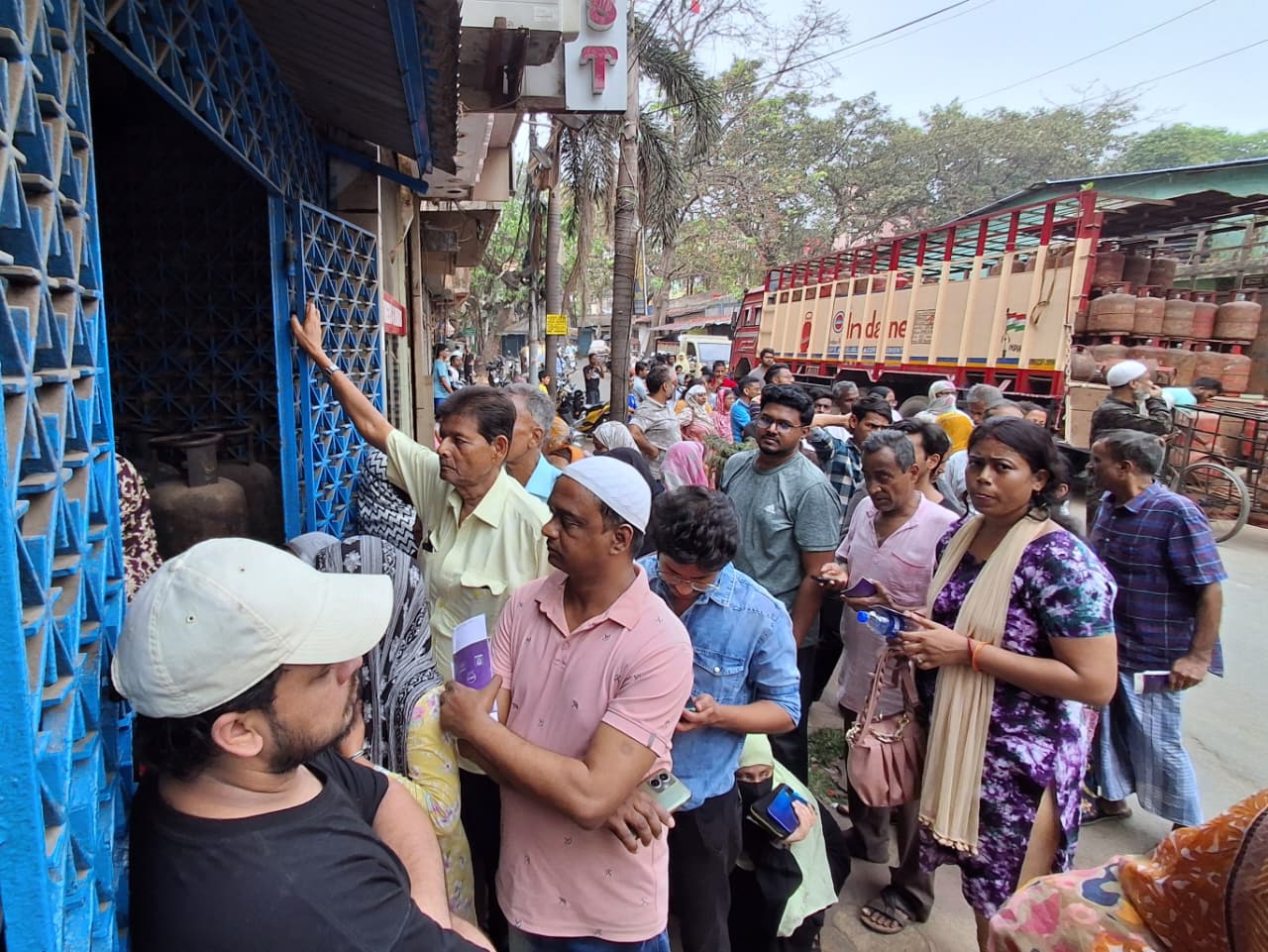
In recent months, the price of commercial gas cylinders used by businesses has gone up significantly. Unlike the gas used in homes, commercial gas is much more expensive and its price changes often. Along with the high cost, there have been delays in getting new cylinders delivered. This has left many chefs without the fuel they need to run high-flame burners, which are essential for making popular dishes like stir-fried noodles, gravies, and certain types of meat preparations.
Important Numbers and Facts
Many restaurant owners report that their fuel bills have increased by nearly 30% to 40% in a short period. To manage this, some establishments that once offered over 100 items have cut their menus down to just 30 or 40 core dishes. By focusing on fewer items, they can use less gas and reduce waste. In some parts of the city, smaller eateries have started using coal or wood-fired stoves again, even though these methods are slower and harder to manage in a busy kitchen.
Background and Context
Kolkata’s food scene is not just about eating; it is about history. Many of these restaurants have been around for over 50 or even 100 years. They survived wars, economic changes, and the recent pandemic. However, the current energy crisis is different because it directly affects the daily cost of making every single plate of food. In a city where people are very sensitive to price changes, owners are afraid that if they raise their prices too much, they will lose their regular customers who visit every day.
Public or Industry Reaction
The reaction from the restaurant industry has been one of deep worry. Local restaurant associations are asking the government to look into the pricing of commercial gas. They argue that food businesses should get some relief or a fixed price to help them stay stable. Customers are also starting to notice the changes. Many regulars have expressed sadness over seeing their favorite dishes disappear from the menu. There is a general feeling of concern that the "old Kolkata" charm is being traded for survival.
What This Means Going Forward
Looking ahead, the future of these restaurants depends on whether gas prices stabilize. If costs stay high, we might see a permanent change in how food is prepared in the city. More restaurants might move toward "slow cooking" methods that use electricity or charcoal instead of gas. There is also a risk that smaller, family-owned shops will be replaced by large chains that have more money to handle rising costs. The next few months will be a testing time for the city's culinary heritage.
Final Take
The struggle of Kolkata’s restaurants shows how much global energy issues can affect local traditions. While wood fires and smaller menus might help in the short term, they are not a permanent fix for a modern city. Protecting these iconic food spots is important because they are a part of the city's identity. Without help or a drop in fuel prices, the famous flavors of Kolkata may never be the same again.
Frequently Asked Questions
Why are Kolkata restaurants cutting their menus?
Restaurants are cutting their menus to save on fuel costs. By cooking fewer types of dishes, they can use less gas and manage their daily expenses better during the LPG crisis.
Is the price of home gas the same as restaurant gas?
No, commercial gas used by restaurants is much more expensive than the gas used in homes. It also does not receive the same government support, making it harder for small businesses to afford.
Are restaurants switching to wood fires permanently?
Some are using wood or coal as a temporary way to save money, but it is difficult to do this long-term in a city because it produces more smoke and is slower than using gas stoves.



