
Summary
The ongoing conflict in West Asia has triggered a severe fuel crisis for auto-rickshaw drivers in Kolkata. A sharp drop in Liquefied Petroleum Gas (LPG) supplies has forced drivers to wait in lines for up to four hours just to fill their tanks. This shortage has also created a dangerous black market where gas cylinders are being sold for as much as Rs 4,000. As a result, many drivers have started charging passengers higher fares without official permission to cover their rising costs and lost time.
Main Impact
The fuel shortage is hitting the heart of Kolkata’s transport system. Thousands of auto-rickshaws, which serve as a vital link for daily commuters, are staying off the roads because they cannot find fuel. For the vehicles that are still running, the cost of operation has doubled or tripled. This has led to a breakdown in the city's regulated fare system, leaving passengers with fewer travel options and higher daily expenses. The crisis is not just about fuel; it is about the survival of low-income workers and the mobility of the general public.
Key Details
What Happened
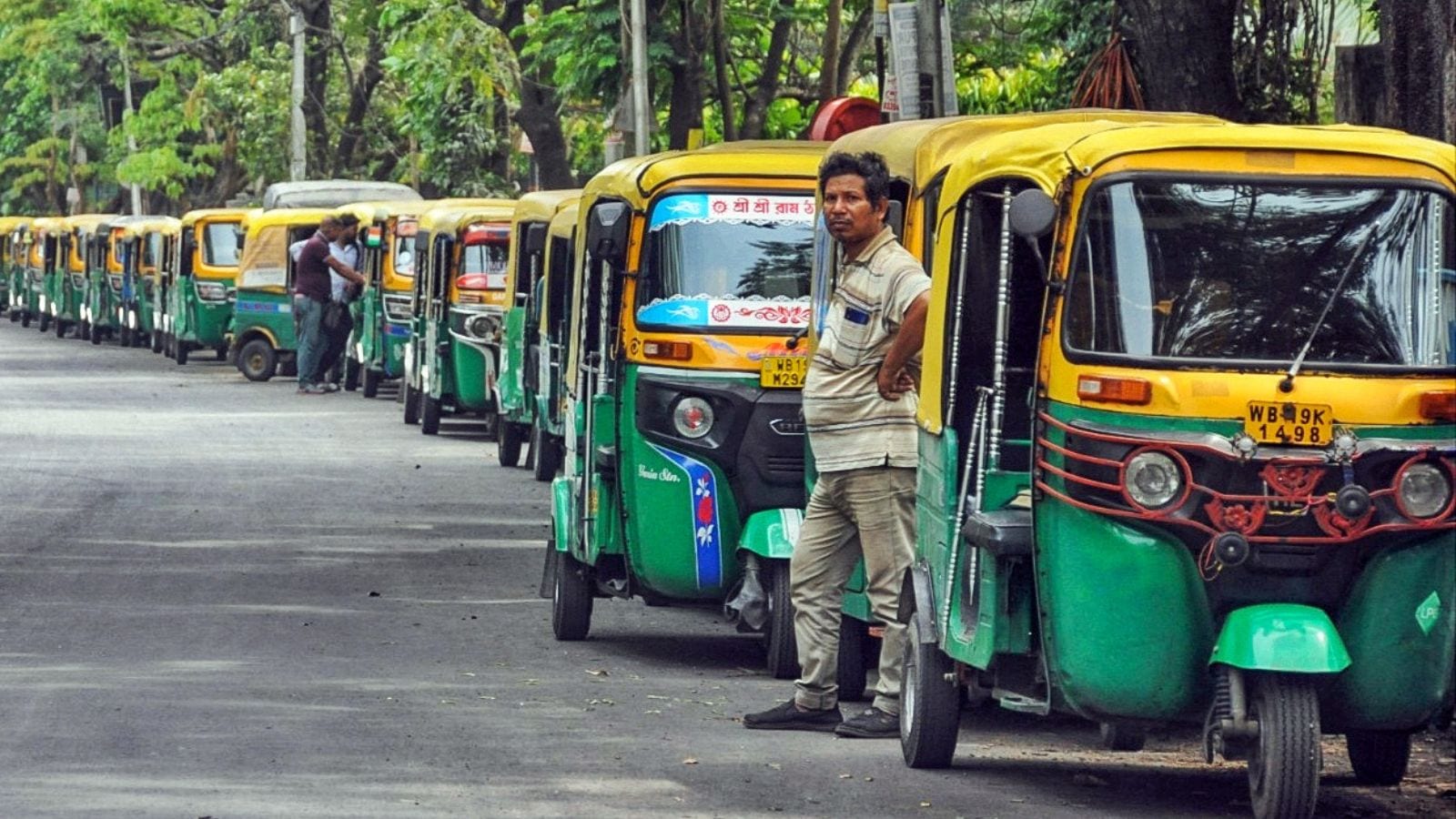
Kolkata’s auto-rickshaws run almost entirely on LPG to keep the city’s air clean. However, the conflict in West Asia has disrupted the global supply chain, making it difficult for India to import enough gas. In Kolkata, this has resulted in "dry" fuel stations. Drivers who used to spend ten minutes refueling are now spending nearly half their workday waiting in queues that stretch for several blocks. Many return home empty-handed after waiting for hours, losing a full day of wages.
Important Numbers and Facts
The scale of the crisis is visible in the numbers. While a standard commercial LPG cylinder usually costs a fraction of the price, desperate drivers are reportedly paying up to Rs 4,000 in the black market to keep their vehicles moving. At the pumps, wait times have jumped from minutes to over four hours. To make up for these losses, unofficial fare hikes of Rs 5 to Rs 10 per trip have become common across various routes in the city. There are approximately 45,000 registered auto-rickshaws in the Kolkata metropolitan area, and nearly all are feeling the pressure.
Background and Context
Kolkata has a unique relationship with auto-rickshaws. Unlike other cities where they operate on a meter, Kolkata uses a "share-auto" system with fixed routes. Years ago, the government mandated that all autos must run on clean green fuel like LPG to reduce pollution. While this was good for the environment, it made the city's transport network dependent on a single fuel source. Because India imports a large portion of its LPG from West Asian countries, any political or military tension in that region quickly leads to supply shortages and price spikes in local markets.
Public or Industry Reaction
Driver unions are expressing deep concern over the situation. Many union leaders have stated that drivers cannot be blamed for the fare hikes because they are struggling to buy food for their families. On the other hand, commuters are frustrated. Office workers and students who rely on these vehicles are finding it harder to reach their destinations on time. While some passengers understand the drivers' struggle, others are calling for the government to step in and regulate the prices or ensure a steady supply of fuel at official stations.
What This Means Going Forward
If the conflict in West Asia continues, the fuel supply may become even more unstable. The West Bengal government faces a difficult choice. They may need to officially revise fare charts to reflect the new reality of fuel costs, or they must find a way to prioritize LPG delivery for public transport. There is also a growing discussion about moving toward electric vehicles (EVs). If the LPG crisis persists, more drivers might consider switching to electric autos to avoid being dependent on imported gas, though the initial cost of switching is high for most workers.
Final Take
The crisis in Kolkata shows how global events can directly affect the lives of people thousands of miles away. A conflict in one part of the world has turned a simple commute into an expensive and time-consuming struggle for the people of Kolkata. Without immediate help or a change in supply, the city's most reliable way to get around could face a total standstill.
Frequently Asked Questions
Why is there an LPG shortage in Kolkata?
The shortage is caused by supply chain disruptions due to the conflict in West Asia, which is a major source of India's imported gas.
How much are drivers paying for fuel in the black market?
Reports suggest that some drivers are paying as much as Rs 4,000 for a single cylinder to avoid waiting in long lines at gas stations.
Are the auto fare hikes legal?
Most of the current fare increases are unofficial. Drivers are charging more to cover their high fuel costs and the time lost while waiting in queues.



