Summary
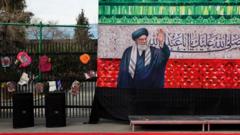
The Iranian government has officially delayed the funeral services for Supreme Leader Ayatollah Ali Khamenei. This decision comes as the country faces ongoing military strikes from the United States and Israel. Officials stated that more time is required to prepare for the massive three-day event in Tehran, where the leader was expected to lie in state. The delay highlights the severe security challenges currently facing the nation during this period of high tension.
Main Impact
The postponement of the funeral has a major effect on both the politics and the security of the region. By delaying the ceremony, the Iranian leadership is acknowledging that the current military situation makes large public gatherings unsafe. This move creates a period of uncertainty within the country, as the transition of power usually happens during these formal mourning periods. The ongoing bombardment has made it difficult for the government to guarantee the safety of the millions of people expected to attend the services in the capital city.
Key Details
What Happened
Iran had planned a major three-day ceremony to honor the late Supreme Leader. The event was supposed to include a period where his body would lie in state, allowing the public to pay their respects. However, an official spokesperson announced that these plans are now on hold. The primary reason given was the need for better preparation, but the context of the announcement is the heavy air strikes hitting various parts of the country. The government has not yet provided a new date for when the funeral will begin.
Important Numbers and Facts
The planned ceremony was set to last for 72 hours and was expected to draw several million people to the streets of Tehran. Military reports indicate that US and Israeli forces have carried out multiple strikes over the last 48 hours, targeting military sites and infrastructure. Because of these attacks, the airspace over Tehran remains restricted, making it nearly impossible for foreign leaders or dignitaries to fly into the city for the funeral. This logistical block is a major factor in the decision to wait.
Background and Context
Ayatollah Ali Khamenei held the highest position of power in Iran for over thirty years. His role as Supreme Leader meant he had the final say on all important matters, including the military and foreign policy. His death marks the end of an era for the country. This loss happens at a time when Iran is in a direct military conflict with Israel and the United States. The tension between these nations has grown over the past year, leading to the current situation where missiles and drones are being used frequently. In the past, state funerals for high-ranking Iranian leaders have been massive events used to show national unity, but the current war makes such a display very difficult.
Public or Industry Reaction
The reaction within Iran has been a mix of grief and high anxiety. Many citizens are worried that the delay in the funeral shows that the government is struggling to maintain control under the pressure of the air strikes. International observers and political experts suggest that the delay might also be a way for the ruling council to buy time. They need to decide on a successor and ensure that the new leader is accepted before the public mourning begins. Meanwhile, global oil markets have shown signs of worry, as any instability in Iran often leads to higher energy prices around the world.
What This Means Going Forward
The next few days will be a major test for the Iranian government. They must find a way to honor their leader while also defending the country from air attacks. If the bombardment continues, the funeral may be delayed even further, or it may have to be held in a much smaller, private way. This would be a significant change from the usual grand ceremonies. There is also the risk that the delay could lead to more confusion among the public about who is currently in charge. The international community is watching closely to see if a temporary ceasefire will be called to allow the funeral to take place, or if the fighting will get worse.
Final Take
The decision to postpone the funeral is a clear sign that military concerns are now more important than state traditions in Iran. While the government says they need more time for "preparations," the reality of the US and Israeli strikes cannot be ignored. The world is now waiting to see how Iran manages this double crisis of losing its top leader while being under direct attack.
Frequently Asked Questions
Why was the funeral of the Supreme Leader postponed?
The official reason is that more time is needed for preparations, but the delay is mainly due to the safety risks caused by ongoing US and Israeli military strikes in the region.
What does it mean to "lie in state"?
Lying in state is a tradition where the body of a deceased official is placed in a public building so that people can visit and pay their respects before the burial.
How long was the funeral ceremony supposed to last?
The Iranian government had planned for a three-day mourning ceremony in the capital city of Tehran, which is expected to attract millions of mourners once it begins.