
Summary
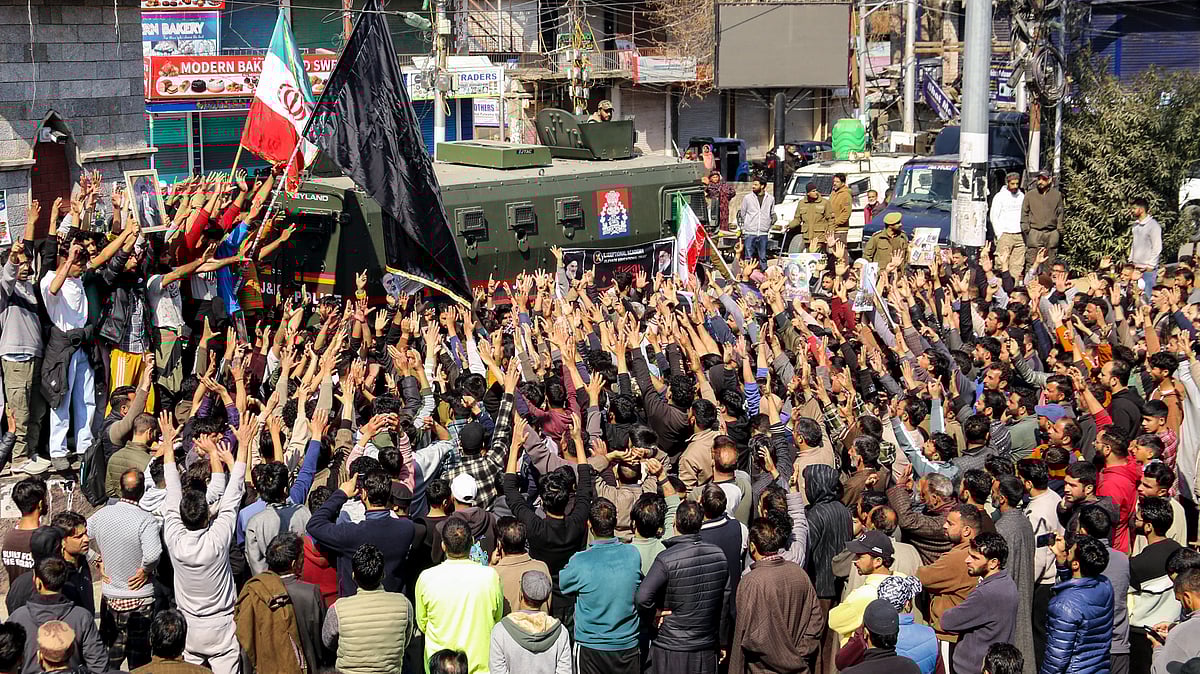
On February 28, 2026, a joint military strike by the United States and Israel resulted in the death of Iran’s Supreme Leader, Ayatollah Ali Khamenei. This event has caused a massive wave of protests across several parts of India, including Jammu and Kashmir, Uttar Pradesh, and Andhra Pradesh. Thousands of people have gathered to mourn the leader and express their anger over the military action. These demonstrations highlight the deep emotional and religious connection many Indian communities feel toward the Iranian leader.
Main Impact
The death of Ayatollah Khamenei has led to immediate social and economic disruptions in several Indian states. In the Kashmir region, many towns came to a complete standstill as businesses closed in protest. In Uttar Pradesh, the large Shia Muslim population organized massive marches that filled the streets of major cities. The main impact is a rise in public tension and a strong demand for the Indian government and the United Nations to condemn the strike. While the protests have been peaceful so far, the scale of the response shows how a global event can quickly trigger local unrest.
Key Details
What Happened
Following the news of the military strike on February 28, people in various parts of India began organizing rallies and strikes. In Jammu and Kashmir, the Chenab valley was the center of the response. Residents in districts like Kishtwar and Doda stayed home, and shops remained shut to show solidarity with Iran. In Uttar Pradesh, the city of Lucknow saw one of the largest gatherings, where people marched between historic religious sites to voice their disapproval of the attack.
Important Numbers and Facts
The protests spread across at least three major Indian states within 48 hours of the event. In Lucknow, thousands of people participated in a candlelight march from the Chhota Imambara to the Bada Imambara. In the Rajouri district of Kashmir, local leaders called for a "bandh," which is a general strike, to take place on Tuesday. Students at Aligarh Muslim University also took action by sending a formal letter to the President of India, asking for a national protest against the killing. Despite the high number of people on the streets, police reports indicate that no violence or major accidents occurred during these gatherings.
Background and Context
Ayatollah Ali Khamenei was the most powerful figure in Iran, serving as both a political leader and a top religious authority. For many Muslims around the world, especially those in the Shia community, he was a symbol of spiritual guidance and resistance against Western influence. The strike that killed him is part of a long-standing and growing conflict between Iran, Israel, and the United States. Because India has a large and diverse Muslim population, events in the Middle East often have a direct emotional impact on local communities. This explains why the news of his death caused such a quick and widespread reaction in cities thousands of miles away from Tehran.
Public or Industry Reaction
The reaction from local leaders has been strong and critical. In Kashmir, Moulvi Farooq Ahmad Kachloo led a peaceful rally and spoke to the crowd about the loss of a great leader. In Rajouri, Shafqat Mir, who leads the Islamic Welfare Organisation, called the bombing a "grave violation of humanity." In Uttar Pradesh, political figures also joined the conversation. Abbas Haidar, a spokesperson for the Samajwadi Party, described the strike as a "cowardly act" that has caused deep pain to people who value justice. Religious leaders, such as Maulana Khalid Rasheed Firangi Mahali, have called on the international community to step in and prevent the conflict from turning into a much larger war.
What This Means Going Forward
The coming weeks may see continued mourning and further protests as the religious community observes traditional periods of grief. There is a risk that these demonstrations could grow if the conflict in the Middle East escalates further. For the Indian government, this situation creates a challenge in balancing international relations while managing the emotions of its own citizens. There will likely be more pressure on Indian officials to speak out against the violence. Additionally, the protests in places like Aligarh and Vijayawada show that the anger is not limited to one region, suggesting that the impact of this event will be felt across the country for some time.
Final Take
The widespread protests across India serve as a reminder of how connected the modern world has become. The death of a leader in Iran has moved thousands of people in India to leave their homes and businesses to march in the streets. This reaction shows that for many, religious and spiritual ties are just as important as national borders. The peaceful nature of these large protests also shows a community that is mourning a loss while calling for global peace and justice.
Frequently Asked Questions
Why are there protests in India over an Iranian leader?
Many people in India, especially within the Shia Muslim community, viewed Ayatollah Khamenei as a major spiritual and religious leader. His death has caused deep personal and religious grief for his followers.
Which parts of India are most affected by the protests?
The most significant protests and strikes have taken place in Jammu and Kashmir, various cities in Uttar Pradesh like Lucknow and Aligarh, and Vijayawada in Andhra Pradesh.
Have the protests been violent?
No, according to law enforcement and local reports, the demonstrations have remained peaceful and well-organized, despite the large number of people participating and the strong emotions involved.

